Thailand's Buddhist Temples: History and Significance
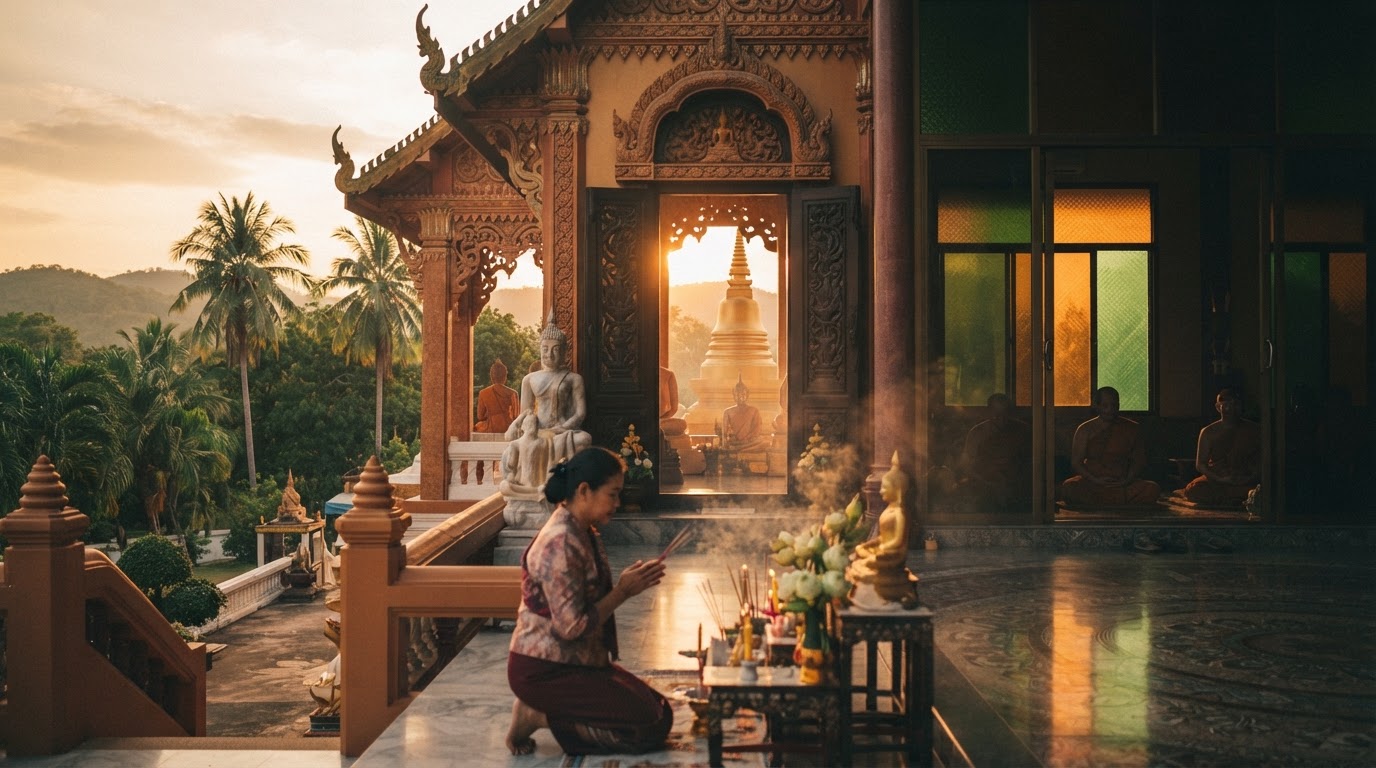
Exploring the rich tapestry of Buddhism in Thailand can often feel like navigating through a labyrinth of history, culture, and spirituality. With countless temples dotting the landscape from bustling city centers to tranquil countryside settings, understanding their significance is key not only for visitors but also for locals looking to deepen their appreciation of Thai heritage.
Understanding the Foundation: The Role of Buddhism in Thailand
Buddhism permeates every facet of life in Thailand, influencing everything from daily rituals to national festivals. As you embark on your journey through Thailand's Buddhist temples, it’s essential to recognize that these sites are not just religious monuments but also social and cultural hubs.
Step-by-Step Guide: How to Explore Thai Temples
- Educate Yourself Before You Go: Research the history of each temple you plan to visit. Understanding its origins can enhance your experience immensely.
- Dress Appropriately: Respectful attire is a must; avoid shorts and sleeveless tops. Many temples provide scarves for visitors who are improperly dressed.
- Learn Basic Thai Phrases: Knowing how to say “thank you” (kop khun krap/khao) or asking politely about temple rules can make interactions smoother.
- Follow Temple Etiquette: Remove your shoes before entering any temple buildings, and avoid pointing at Buddha images with your feet.
The Journey Through Time: Historical Highlights
- Wat Phra Kaew (Temple of the Emerald Buddha) in Bangkok is not only a symbol of royal power but also houses one of Thailand’s most revered Buddhist icons.
- Wat Arun (Temple of Dawn) stands as an iconic landmark, its spires and intricate designs representing classic Thai architectural elegance.
- In Ayutthaya, temples like Wat Mahathat reflect the city's historical significance as a former capital where Buddhism thrived alongside other faiths.
Cultural Insights: The Significance Behind Temple Design
Thai temple design is more than aesthetic; it tells stories through its architecture and art. For example, murals depicting scenes from Buddha’s life or Jataka tales (stories of his past lives) serve both as decoration and educational tools for followers.
Practical Tips for a Memorable Visit
- Timing: Early mornings can offer quieter hours to appreciate the temples without crowds.
- Guides: Hiring a knowledgeable guide can provide deeper insights into the temple’s history and significance.
- Photography: While capturing memories is encouraged, always be mindful of sacred spaces where photography might not be permitted.
The Spiritual Journey: Engaging with Buddhism
Participating in temple activities such as alms-giving (tak bat) or attending a meditation session can provide an intimate look into Thai Buddhist practices. Many temples also offer English-language tours and introductory courses on Buddhism.
Summary Checklist for Visiting Temples in Thailand
- Research the history of each temple.
- Dress appropriately; remove shoes before entering buildings.
- Learn basic Thai phrases to communicate respect.
- Follow temple etiquette, especially regarding sacred objects.
- Choose your visiting times wisely to avoid crowds.
- Consider hiring a guide or participating in temple activities for deeper insights.
Call-to-Action: Embrace the Journey
Embarking on this exploration of Thailand’s Buddhist temples is not just a touristic activity but an opportunity to immerse yourself in the spiritual and cultural heart of Thai society. Each step you take through these sacred grounds enriches your understanding of Buddhism’s profound influence on daily life in Thailand.
As you plan your visit, remember that every temple holds stories waiting to be discovered. By approaching them with curiosity and respect, you not only honor their legacy but also deepen your own spiritual journey.