From Sukhothai to Siam: The Early Kingdoms of Thailand
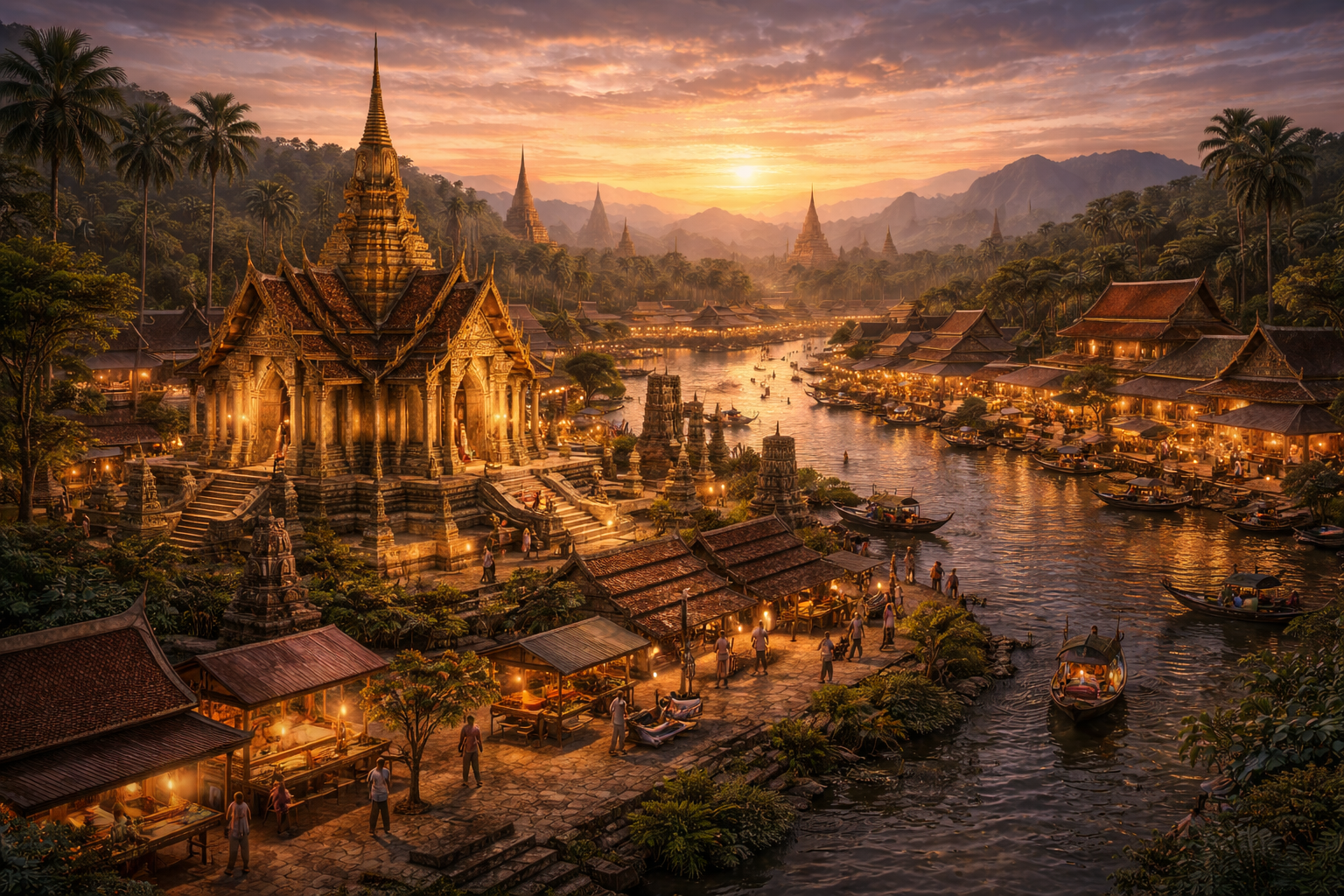
Ever felt a little lost when trying to grasp the sweep of Thai history? It's a fascinating story, full of shifting alliances, impressive architecture, and a remarkable resilience. Many travelers come to Thailand and appreciate the present beauty, but often miss the richness of the past. This guide will help you understand the pivotal early period, from the rise of Sukhothai to the emergence of Siam, setting the stage for the Thailand we know today. Let's unravel this historical journey together!
Why Understanding the Early Kingdoms Matters
Before Thailand was… Thailand, it was a patchwork of kingdoms vying for power and influence. Understanding this period isn't just about memorizing dates; it's about appreciating the cultural foundations of modern Thailand – its art, language, social structures, and even its national identity. Knowing the story of Sukhothai and its successors provides a deeper appreciation for the temples you visit, the food you eat, and the people you meet.
Step 1: Sukhothai – The Dawn of Thai Civilization (1238-1438)
Imagine a land under the shadow of the Khmer Empire (think Angkor Wat). That was the reality for much of what is now Thailand. The desire for independence sparked a rebellion, and in 1238, Sukhothai was declared an independent kingdom.
- Key Figure: King Ramkhamhaeng: Considered the "father of the Thai alphabet," Ramkhamhaeng's reign (1278-1298) was a golden age. He standardized the Thai script, making literacy more accessible and fostering a distinct Thai cultural identity. Look for inscriptions in the Ramkhamhaeng script at Sukhothai Historical Park – they're a direct connection to this important figure.
- What Made Sukhothai Special? Sukhothai wasn’t just about independence; it was about creating a uniquely Thai society. The "Sukhothai Code of Laws" emphasized fairness and reduced the power of the aristocracy. Agriculture flourished thanks to innovative irrigation techniques, leading to prosperity. The kingdom’s location, surrounded by fertile rice fields, also provided a natural defense.
- Visiting Sukhothai Today: Sukhothai Historical Park is a UNESCO World Heritage site. Plan to spend at least a full day exploring the ruins of temples, palaces, and reservoirs. Rent a bicycle – it’s the best way to cover the vast area.
Step 2: The Rise of Ayutthaya – A Flourishing Kingdom (1351-1767)
Sukhothai, despite its initial success, eventually faced internal challenges and was absorbed into a larger, more powerful kingdom: Ayutthaya. This transition wasn't abrupt; it was a gradual process of assimilation.
- The Move to Ayutthaya: In 1351, King U Thong moved the capital south to Ayutthaya, strategically located at the confluence of three rivers. This provided excellent trade routes and access to the sea.
- A Cosmopolitan Hub: Ayutthaya became a major trading center, attracting merchants from China, India, Persia, and Europe. This influx of cultures enriched the kingdom’s art, architecture, and cuisine. You can still see influences from these cultures in Ayutthaya's historical sites.
- The Ayutthaya Period’s Strengths: The kingdom thrived due to strong centralized rule, a sophisticated bureaucracy, and a powerful military. The construction of impressive temples like Wat Yai Chaimongkol and Wat Phra Sri Sanphet showcases the kingdom’s wealth and artistic prowess.
- Ayutthaya and Foreign Powers: Ayutthaya skillfully navigated relationships with powerful neighbors like the Portuguese, Dutch, French, and English, often playing them against each other to maintain its independence.
- The Fall of Ayutthaya: In 1767, the kingdom was sacked by the Burmese, marking a devastating blow and leading to its eventual decline.
Step 3: Thonburi – A Brief Interlude (1767-1782)
Following the destruction of Ayutthaya, General Taksin rallied the Thai people and established the Thonburi kingdom, briefly restoring Thai sovereignty.
- Taksin’s Leadership: Taksin was a charismatic and effective leader who rebuilt infrastructure and defended against further Burmese incursions. He moved the capital to Thonburi, across the Chao Phraya River from the ruins of Ayutthaya.
- Short-Lived Reign: Taksin’s rule was relatively short-lived and marked by political instability. He was eventually overthrown and executed.
Step 4: Rattanakosin – The Bangkok Era and the Birth of Siam (1782-Present)
King Rama I, founder of the Chakri dynasty, moved the capital across the river to Bangkok (then known as Krung Thep Maha Nakhon) in 1782. This marked the beginning of the Rattanakosin period and the emergence of Siam – the name Thailand used to officially represent itself on the world stage.
- King Rama I and Nation Building: Rama I and his successors consolidated power, reformed the legal system, and promoted Thai culture and language. They also initiated major construction projects, including the iconic Grand Palace and Wat Arun (Temple of Dawn).
- Siam's Diplomacy: The Chakri kings skillfully navigated the pressures of European colonialism in Southeast Asia, maintaining Siam's independence through strategic diplomacy and modernization. King Mongkut (Rama IV) and King Chulalongkorn (Rama V) are particularly renowned for their efforts in this regard.
- The Name Change: In 1939, Siam was officially renamed Thailand, meaning "Land of the Free."
Tips for Deeper Exploration:
- Read the Ramakien: This Thai adaptation of the Indian epic Ramayana is a cornerstone of Thai culture and provides valuable insights into the values and beliefs of the early kingdoms.
- Visit the National Museum, Bangkok: A fantastic resource for seeing artifacts and learning more about the art and history of the period.
- Explore Local Libraries and Historical Societies: Many local communities have archives and resources that offer unique perspectives on regional history.
Summary & Checklist: Your Early Thai History Journey
You’ve now got a framework for understanding the crucial early period of Thai history! Here’s a quick recap and checklist to help you solidify your knowledge:
- Sukhothai (1238-1438): The foundation of Thai culture and language. (Visit Sukhothai Historical Park)
- Ayutthaya (1351-1767): A prosperous trading hub and center of artistic development. (Explore Ayutthaya Historical Park)
- Thonburi (1767-1782): A brief restoration of Thai sovereignty under General Taksin.
- Rattanakosin (1782-Present): The emergence of Siam and the modern nation of Thailand. (Discover Bangkok's historical landmarks)
Ready to delve deeper? Start with one of the historical parks – Sukhothai is a particularly rewarding experience. Happy exploring!