The Chakri Dynasty: Shaping Modern Thailand
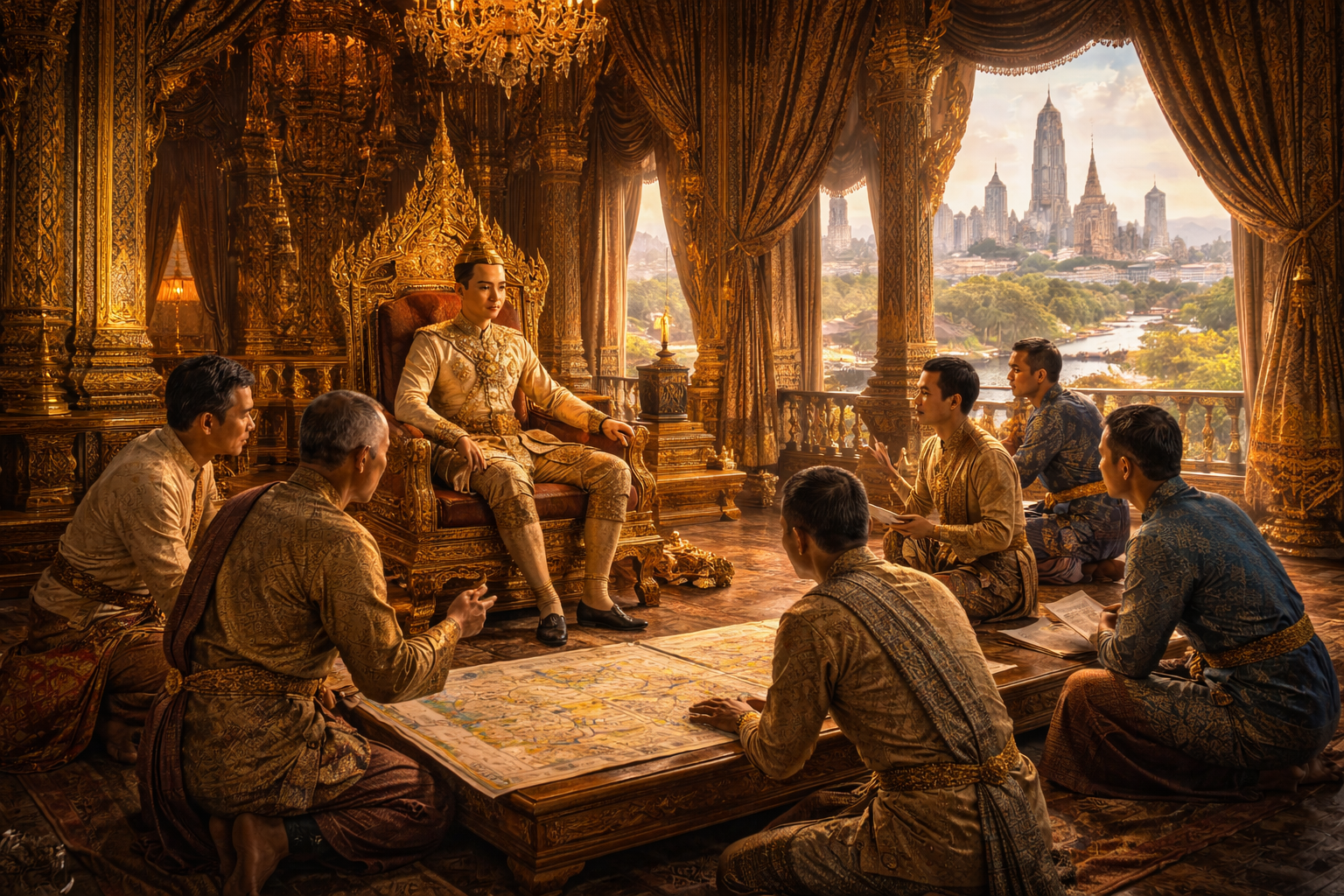
Ever wondered how Thailand, the "Land of Smiles," managed to remain independent amidst the colonial ambitions of European powers in Southeast Asia? The answer lies, in large part, with the Chakri Dynasty, the ruling family that has shaped Thailand's modern identity for over two centuries. Understanding their history is key to understanding Thailand itself. This guide will walk you through the fascinating story of the Chakri Dynasty, exploring their rise to power, their key reforms, and their lasting impact on the nation.
Why Should You Care About the Chakri Dynasty?
Before diving in, let's address why this history matters. The Chakri Dynasty isn't just about kings and palaces; it's about the evolution of a nation. Their decisions influenced everything from Thailand's borders and legal system to its economy and cultural identity. Knowing their story helps you appreciate the complexities of modern Thailand and understand the context behind its unique blend of tradition and modernity.
1. The Tumultuous Times: Setting the Stage (1767-1782)
Imagine a region fractured by internal conflict and threatened by powerful neighbors. That was Thailand (then known as Siam) in the mid-18th century. The kingdom had been weakened by wars with Burma (Myanmar), and the capital, Ayutthaya, was a sprawling, vulnerable city. In 1767, Ayutthaya fell to the Burmese, marking a devastating blow to Siamese power.
This period of crisis created an opportunity. General Taksin, a charismatic military leader, rallied Siamese forces and drove out the Burmese. He established the Thonburi Kingdom, but his reign was short-lived and marked by accusations of tyranny. The instability continued, and Taksin was overthrown in 1782.
2. Enter Chao Phraya Chakri: The Founder of the Dynasty
This is where our story truly begins. Chao Phraya Chakri, originally named Thongduang, was a brilliant military commander who played a pivotal role in Taksin’s rise and later in his downfall. He was a man of exceptional talent, respected and feared in equal measure. Following Taksin’s overthrow, a group of nobles, wary of instability, decided to install Chakri as king. He ascended the throne in 1782, taking the name Rama I, and formally establishing the Chakri Dynasty.
- Key Takeaway: The Chakri Dynasty wasn’t born out of hereditary right; it was a strategic choice made by powerful nobles to provide stability during a time of crisis.
3. Rama I to Rama V: Consolidation, Expansion, and Reform (1782-1910)
The first five Chakri kings – Rama I, II, III, IV, and V – laid the foundations for modern Thailand. Their reigns were characterized by a blend of consolidation, territorial expansion, and gradual modernization.
- Rama I (1782-1809): Focused on restoring order and rebuilding the kingdom after the Burmese invasion. He centralized power and began the process of defining Siam's borders.
- Rama II (1809-1825): A patron of the arts, he oversaw a flourishing of Thai literature and drama.
- Rama III (1825-1851): Faced pressure from British influence in neighboring Malay states. He cautiously navigated international relations.
- Rama IV (Mongkut) (1851-1868): This is where things really started to shift. Mongkut was a highly educated king who recognized the need for modernization to avoid colonization. He opened Siam to Western influence, negotiating treaties that protected Siamese sovereignty. He reformed the military, introduced Western education, and began to modernize the legal system.
- Rama V (Chulalongkorn) (1868-1910): Considered by many to be the "father of modern Thailand," Chulalongkorn accelerated Mongkut’s reforms. He abolished slavery, introduced a modern administrative system, built infrastructure (railways, roads, and ports), and modernized the military. Crucially, he ceded some territory to Britain and France to maintain Siam’s independence, a strategic maneuver often referred to as “nibbling.”
4. Rama VI to Rama X: The 20th and 21st Centuries (1910-Present)
The reigns of Rama VI, VII, VIII, IX, X, and the current King Maha Vajiralongkorn (Rama X) have seen Thailand navigate the complexities of the 20th and 21st centuries, including World War II, the rise of communism, economic booms and busts, and increasing globalization.
- Rama VI & VII: Continued modernization efforts, but faced growing nationalist sentiment and social unrest.
- Rama VIII: A short and controversial reign marked by political instability.
- Rama IX (Bhumibol Adulyadej) (1949-2016): The longest-reigning monarch in Thai history, Rama IX was deeply revered and played a significant role in national development and stability. He was seen as a unifying figure during times of political turmoil.
- Rama X (Maha Vajiralongkorn) (2016-Present): The current king has inherited a nation grappling with political divisions and economic challenges. His reign has been marked by changes in royal protocol and a focus on maintaining the monarchy’s relevance in a rapidly changing world.
5. Key Reforms & Lasting Impact
The Chakri Dynasty’s legacy isn’t just about dates and names. It’s about the profound changes they brought to Thailand:
- Maintaining Independence: Their skillful diplomacy and strategic concessions prevented Siam/Thailand from becoming a European colony.
- Modernization: From legal systems to infrastructure, the Chakri kings oversaw a significant modernization process.
- National Identity: They helped shape a modern Thai national identity, blending traditional values with Western influences.
- Economic Development: Investments in infrastructure and education laid the groundwork for Thailand’s economic growth.
- Social Reforms: The abolition of slavery and other social reforms improved the lives of many Thais.
Summary & Checklist: Your Chakri Dynasty Journey
The Chakri Dynasty’s story is a testament to resilience, adaptability, and strategic leadership. They transformed a kingdom struggling for survival into a modern, independent nation.
Here’s a quick checklist to solidify your understanding:
- [ ] Understand the context: Know the crisis that led to the dynasty's founding.
- [ ] Recognize key figures: Familiarize yourself with Rama IV (Mongkut) and Rama V (Chulalongkorn) and their roles in modernization.
- [ ] Appreciate the strategic concessions: Understand why ceding territory was crucial for maintaining independence.
- [ ] Consider the modern challenges: Reflect on the current king’s role in a changing world.
Want to learn more?
- Visit the Grand Palace in Bangkok to experience the grandeur of the Chakri Dynasty firsthand.
- Read biographies of Rama IV and Rama V for a deeper dive into their lives and reigns.
- Explore online resources and documentaries focusing on Thai history.
The Chakri Dynasty’s story is far from over. As Thailand continues to evolve, the legacy of these kings will undoubtedly continue to shape the nation’s future. Enjoy exploring this fascinating chapter of Thai history!