The Ayutthaya Period: A Golden Age of Thai Civilization
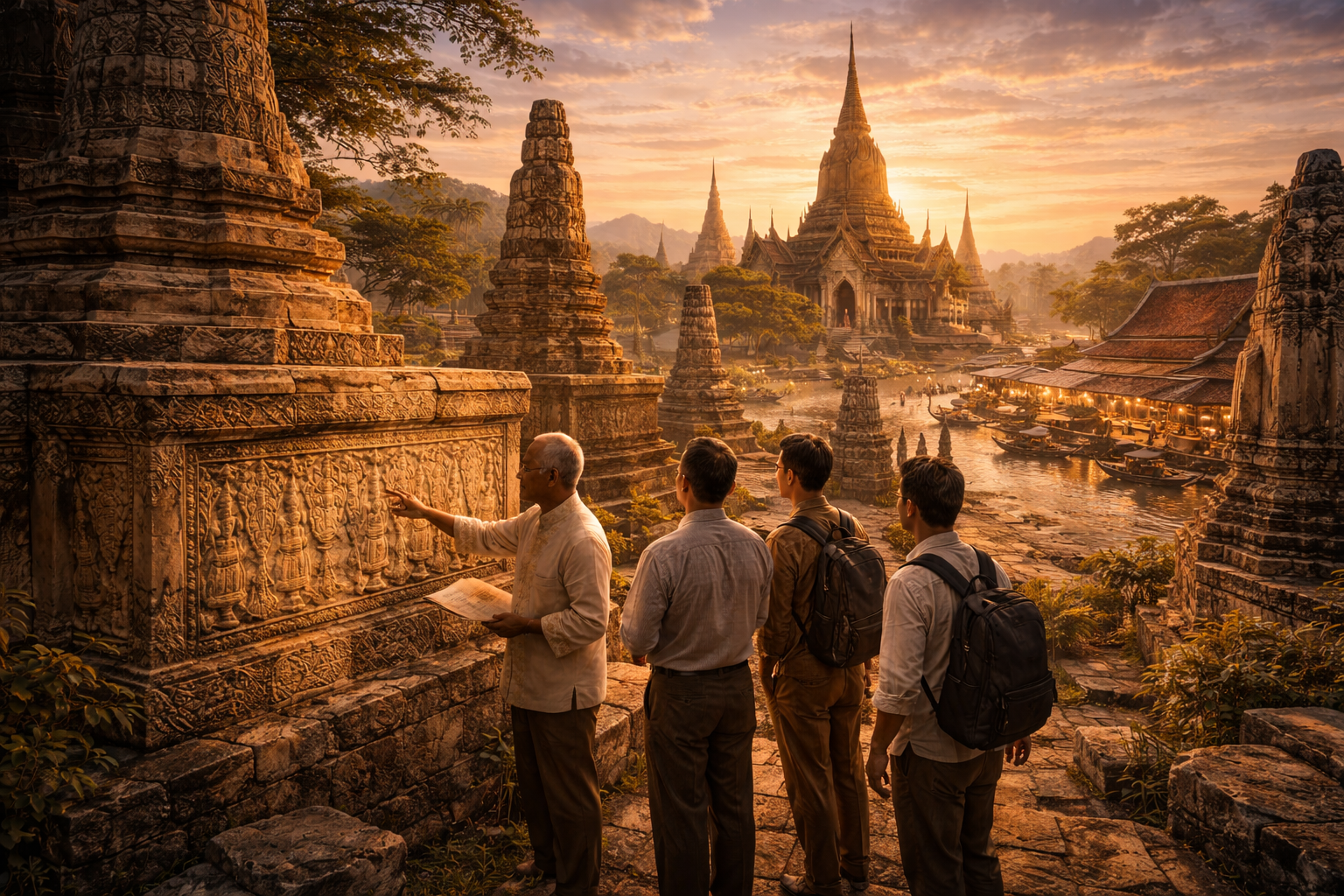
Ever found yourself wandering through the magnificent ruins of Ayutthaya Historical Park and felt a bit…lost? You marvel at the towering chedis and crumbling walls, but the stories behind them seem distant and fragmented? You’re not alone! Understanding the Ayutthaya period – roughly 1351 to 1767 – is key to truly appreciating Thailand’s rich history and the incredible cultural heritage that surrounds you. This guide will break down this fascinating era, making it accessible and engaging, even if you're new to Thai history.
Why Should You Care About Ayutthaya?
The Ayutthaya period wasn’t just a chapter in Thai history; it was a golden age. It saw the rise of a powerful kingdom, a flourishing economy, and a unique blend of Thai, Khmer, and other cultural influences that shaped much of what we see in Thailand today. Understanding Ayutthaya helps you appreciate the origins of Thai art, architecture, governance, and even cuisine.
1. Setting the Stage: From Sukhothai to Ayutthaya
To understand Ayutthaya, you need a quick look back. The Sukhothai Kingdom, preceding Ayutthaya, laid the groundwork for Thai independence and culture. However, Sukhothai gradually weakened, and in 1351, Ayutthaya, initially a tributary state, asserted its independence under King Ramathibodi I (also known as Uthong). This marked the beginning of the Ayutthaya period. Think of it as a student surpassing their teacher – Ayutthaya learned from Sukhothai but quickly outgrew its predecessor.
2. Geography & The Strategic Location: A Kingdom at the Crossroads
Ayutthaya’s location was everything. Situated at the confluence of the Chao Phraya, Lopburi, and Pasak rivers, it was a natural fortress and a vital trading hub. This location provided:
- Fertile Land: The rivers nourished rich farmland, supporting a large population.
- Natural Defenses: The rivers acted as a moat, making the city difficult to attack.
- Trade Routes: Ayutthaya was a crucial point on the trade routes between China, India, and the Malay Peninsula. This brought immense wealth and cultural exchange.
- River Transport: The rivers facilitated the movement of goods and people throughout the kingdom.
Imagine a bustling port city, overflowing with merchants from across Asia – that was Ayutthaya at its peak.
3. The Structure of Ayutthayan Society: Kings, Nobles, and Commoners
Ayutthayan society was hierarchical, similar to many kingdoms of the time. Here's a simplified breakdown:
- The Monarch: The King (and Queen) held absolute power, considered a divine ruler.
- The Royal Family: Close relatives of the King, holding important positions in government and the military.
- Nobility: Powerful families who controlled land and resources, often holding high-ranking government positions.
- Priests & Officials: Played crucial roles in religious and administrative matters.
- Commoners: The vast majority of the population, involved in agriculture, trade, and crafts.
- Slaves: Unfortunately, slavery existed within Ayutthayan society, often due to debt or war.
Understanding this social structure helps explain the power dynamics within the kingdom and the impact of events like succession disputes.
4. Religion & Culture: A Blend of Influences
Theravada Buddhism was the dominant religion, heavily influencing art, architecture, and social values. However, Ayutthaya was a melting pot of cultures. You'll see influences from:
- Khmer: The Khmer Empire significantly influenced early Ayutthayan art and architecture, particularly in the construction of temples and palaces.
- Mon: The Mon people, from Myanmar, were crucial in establishing Theravada Buddhism in the region and contributed to artistic techniques.
- Chinese: Chinese traders and immigrants brought new technologies, crafts, and culinary traditions.
- Indian: Indian culture had a long-standing influence on Southeast Asia, visible in Ayutthayan religious beliefs, language, and artistic motifs.
This cultural fusion created a unique and vibrant artistic style – characterized by elaborate carvings, impressive temple complexes, and a distinctive blend of architectural elements.
5. Economic Powerhouse: Trade and Prosperity
Ayutthaya’s wealth came primarily from trade. It was a major exporter of goods like:
- Rice: Thailand's fertile lands produced vast quantities of rice, a highly valuable commodity.
- Forest Products: Timber, teakwood, and other forest resources were in high demand.
- Gemstones: Thailand was a source of precious stones like rubies and sapphires.
- Handicrafts: Skilled artisans produced textiles, ceramics, and other crafts that were traded throughout Asia.
Foreign merchants flocked to Ayutthaya, establishing trading posts and contributing to the city's cosmopolitan atmosphere. The kingdom’s economic success allowed it to maintain a strong military and invest in infrastructure.
6. The Fall of Ayutthaya: A Tragic End
In 1767, after centuries of dominance, Ayutthaya fell to the Burmese army. The invasion was devastating, resulting in widespread destruction and the loss of countless lives. The sacking of Ayutthaya marked the end of the kingdom and ushered in a period of instability. While the capital was later moved to Thonburi, the golden age was over.
7. Visiting the Ruins: Bringing History to Life
Today, the ruins of Ayutthaya Historical Park are a UNESCO World Heritage site. Here are a few tips for your visit:
- Plan Your Time: The park is vast – allow at least a full day to explore.
- Hire a Guide: A local guide can provide invaluable insights and context.
- Dress Respectfully: Remember that these are religious sites – cover your shoulders and knees.
- Stay Hydrated: The Thai sun can be intense.
- Imagine the Glory: As you wander through the ruins, try to visualize the grandeur of Ayutthaya in its prime.
Summary & Checklist: Your Ayutthaya Journey
The Ayutthaya period was a pivotal era in Thai history, characterized by prosperity, cultural exchange, and architectural marvels. Understanding this period enriches your appreciation of Thailand’s heritage.
Here's a quick checklist to solidify your knowledge:
- [ ] Understand the transition from Sukhothai to Ayutthaya.
- [ ] Recognize the strategic importance of Ayutthaya’s location.
- [ ] Briefly outline the structure of Ayutthayan society.
- [ ] Identify the key cultural influences on Ayutthayan art and religion.
- [ ] Appreciate the role of trade in Ayutthaya's economic success.
- [ ] Know the circumstances surrounding the fall of Ayutthaya.
Ready to delve deeper? Visit the Ayutthaya Historical Park and experience the echoes of a golden age! There are countless resources online and in libraries if you want to explore specific aspects of this fascinating period further. Happy exploring!