Thai Art and Architecture Through the Ages: A Visual History
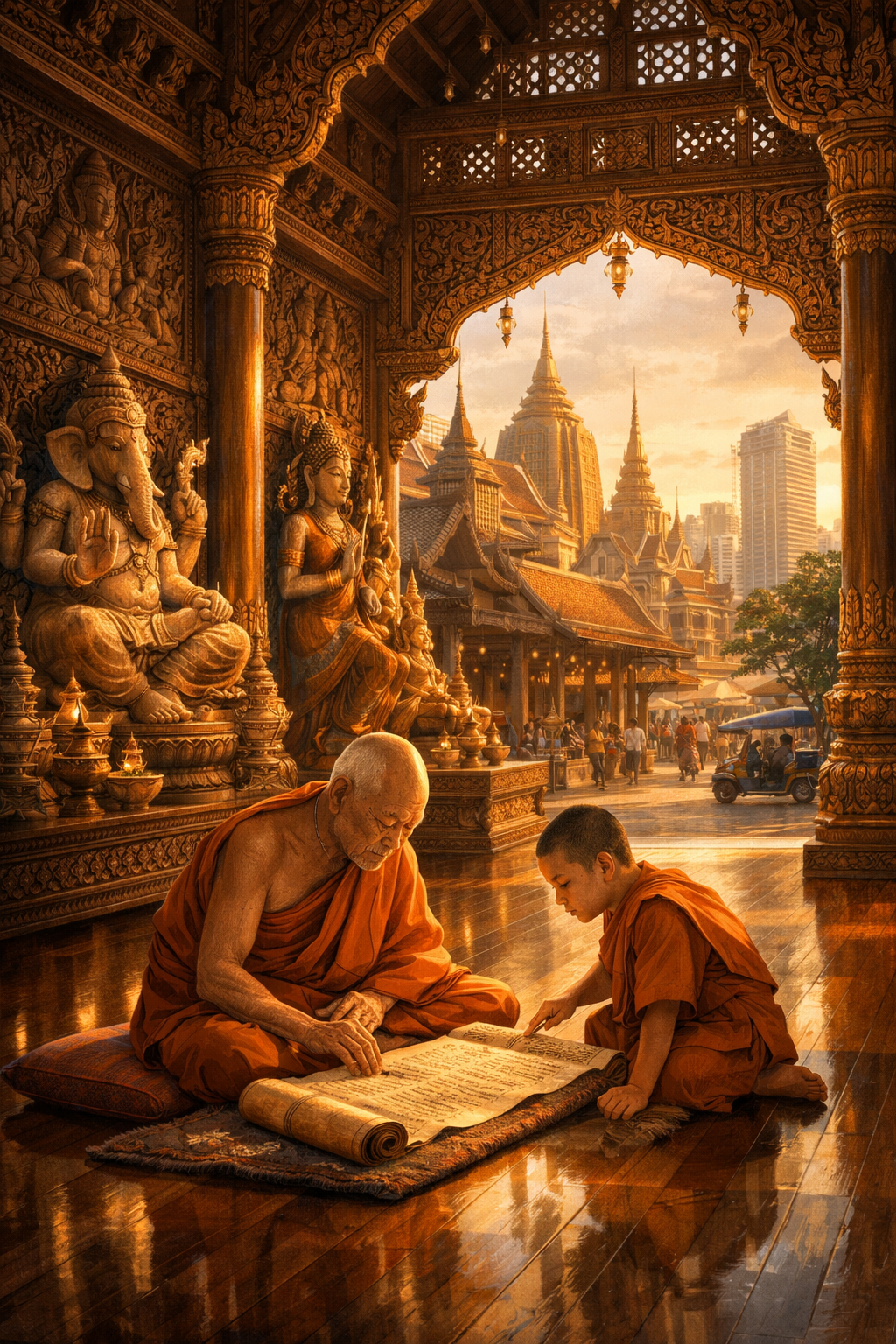
Ever stood before a magnificent Thai temple, intricate carvings swirling around you, and felt a sense of awe but also… confusion? You’re not alone! Thai art and architecture boast a rich and complex history, influenced by Hinduism, Buddhism, and local traditions. It’s a visual narrative spanning centuries, and understanding its evolution unlocks a deeper appreciation for Thailand’s cultural heritage. This guide will take you on a journey through Thai art and architecture, era by era, providing a framework to understand what you’re seeing and why it’s significant.
Understanding the Influences: A Foundation for Appreciation
Before we dive into the timeline, let’s briefly acknowledge the key influences. Early Thai art was heavily shaped by Indian culture, particularly Hinduism and Buddhism. This is evident in the iconography, artistic styles, and architectural principles. Later, Khmer (Cambodian) influences were also significant, particularly during periods of political and cultural exchange. Indigenous Thai beliefs and artistic practices were woven into this tapestry, creating a unique and distinctly Thai aesthetic over time. Recognizing these influences will help you contextualize the art you encounter.
1. The Dvaravati Period (c. 6th – 11th Century): Seeds of Buddhist Art
Imagine a time when Buddhism was first taking root in Southeast Asia. The Dvaravati period marks this early phase. Located in present-day central Thailand, this culture developed a distinctive style, heavily influenced by Gupta art from India.
- What to Look For: Think rounded forms, serene expressions, and a focus on depicting the Buddha. Sculpture was the dominant art form – often made of terracotta, stone, or bronze. Look for Buddha images seated in meditation or giving blessings, often with elaborate halos.
- Architectural Highlights: Simple, brick stupas (Buddhist shrines) were common. These were often decorated with relief carvings depicting Jataka tales – stories of the Buddha’s previous lives.
- Where to See It: The National Museum in Bangkok houses a significant collection of Dvaravati artifacts. Wat Mahathat in Nakhon Pathom is a key archaeological site with remnants of Dvaravati structures.
2. The Srivijaya Period (c. 8th – 13th Century): Khmer Influence Emerges
The Srivijaya kingdom, centered in Sumatra, exerted considerable influence over parts of Thailand. This period saw a strong Khmer artistic impact, particularly in the southern regions.
- What to Look For: A shift towards more elaborate and stylized depictions of the Buddha, often influenced by Khmer sandstone sculpture. You’ll notice a greater emphasis on detailed ornamentation and intricate carvings.
- Architectural Highlights: Brick temples with Khmer-style towers and corbelled roofs begin to appear. These are often smaller in scale than later temples.
- Where to See It: Phanom Rung Historical Park in Buriram offers an exceptional example of Khmer-influenced architecture from this period. Numerous temples in southern Thailand also display Srivijaya characteristics.
3. The Sukhothai Period (c. 13th – 15th Century): The Golden Age Begins
This is arguably the most important period for understanding classic Thai art and architecture. Sukhothai was the first independent Thai kingdom, and its artistic innovations laid the foundation for subsequent styles.
- What to Look For: Sukhothai art is characterized by its grace, elegance, and serenity. Buddha images are often depicted with a gentle smile, elongated limbs, and a distinctive flame-like halo. There’s a sense of movement and naturalism not seen in earlier periods.
- Architectural Highlights: The "Sukhothai style" of temple architecture is defined by its tall, slender prang (towers), graceful curves, and elaborate stucco decorations. Wat Si Sawai and Wat Phra Sri Rattana Mahathat in Sukhothai Historical Park are prime examples.
- Tip: Pay attention to the chedi (stupa) design. Sukhothai chedis are typically bell-shaped and topped with a lai hin—a decorative finial.
4. The Ayutthaya Period (c. 14th – 18th Century): Grandeur and Khmer Revival
Ayutthaya became a powerful kingdom, and its art and architecture reflected its wealth and influence. This era saw a revival of Khmer architectural styles, blended with Thai artistic sensibilities.
- What to Look For: Buddha images become larger and more imposing, often cast in bronze. The influence of Khmer art is evident in the scale and grandeur of the sculptures.
- Architectural Highlights: Ayutthaya temples are known for their massive prangs, often built of brick and later faced with stucco and colored tiles. Wat Yai Chaimongkol and Wat Phra Sri Sanphet are iconic examples.
- Unique Feature: Look for depictions of Ayutthaya royalty in relief carvings – a practice that wasn’t as common in earlier periods.
5. The Rattanakosin Period (1782 – Present): Modern Bangkok and Continued Evolution
With the fall of Ayutthaya and the establishment of Bangkok as the capital, a new era of artistic development began. This period focused on restoring and recreating the artistic glories of the past, while also incorporating some Western influences.
- What to Look For: A conscious effort to revive the Sukhothai and Ayutthaya styles. You'll see a return to the elegance and refinement of earlier periods, but often on a grander scale.
- Architectural Highlights: Wat Phra Kaew (Temple of the Emerald Buddha) within the Grand Palace is the most important example. It showcases the pinnacle of Rattanakosin architecture, blending Sukhothai and Ayutthaya elements. The ubosot (ordination hall) is particularly noteworthy.
- Modern Influences: While traditional styles dominate, you may notice subtle influences from European architecture, particularly in government buildings and some temples built in later years.
A Quick Summary: Key Takeaways
Thai art and architecture isn't just about beautiful buildings and sculptures; it’s a visual record of the kingdom’s history, beliefs, and interactions with other cultures. Each period leaves its mark, creating a unique and fascinating artistic landscape.
Your Visual History Checklist:
- Dvaravati: Look for rounded Buddha images and simple brick stupas.
- Srivijaya: Notice Khmer influences in sculpture and temple design.
- Sukhothai: Appreciate the grace and elegance of Buddha images and the distinctive prang style.
- Ayutthaya: Recognize the grandeur and Khmer revival in temple architecture.
- Rattanakosin: Seek out the restoration of classic styles and the magnificence of the Grand Palace.
Ready to explore? Your journey through Thai art and architecture has just begun! Visit a local museum, wander through ancient temple ruins, and keep this guide handy to deepen your understanding and appreciation of this incredible cultural heritage. Happy exploring!