Royal Women of Thailand: Influential Figures Throughout History
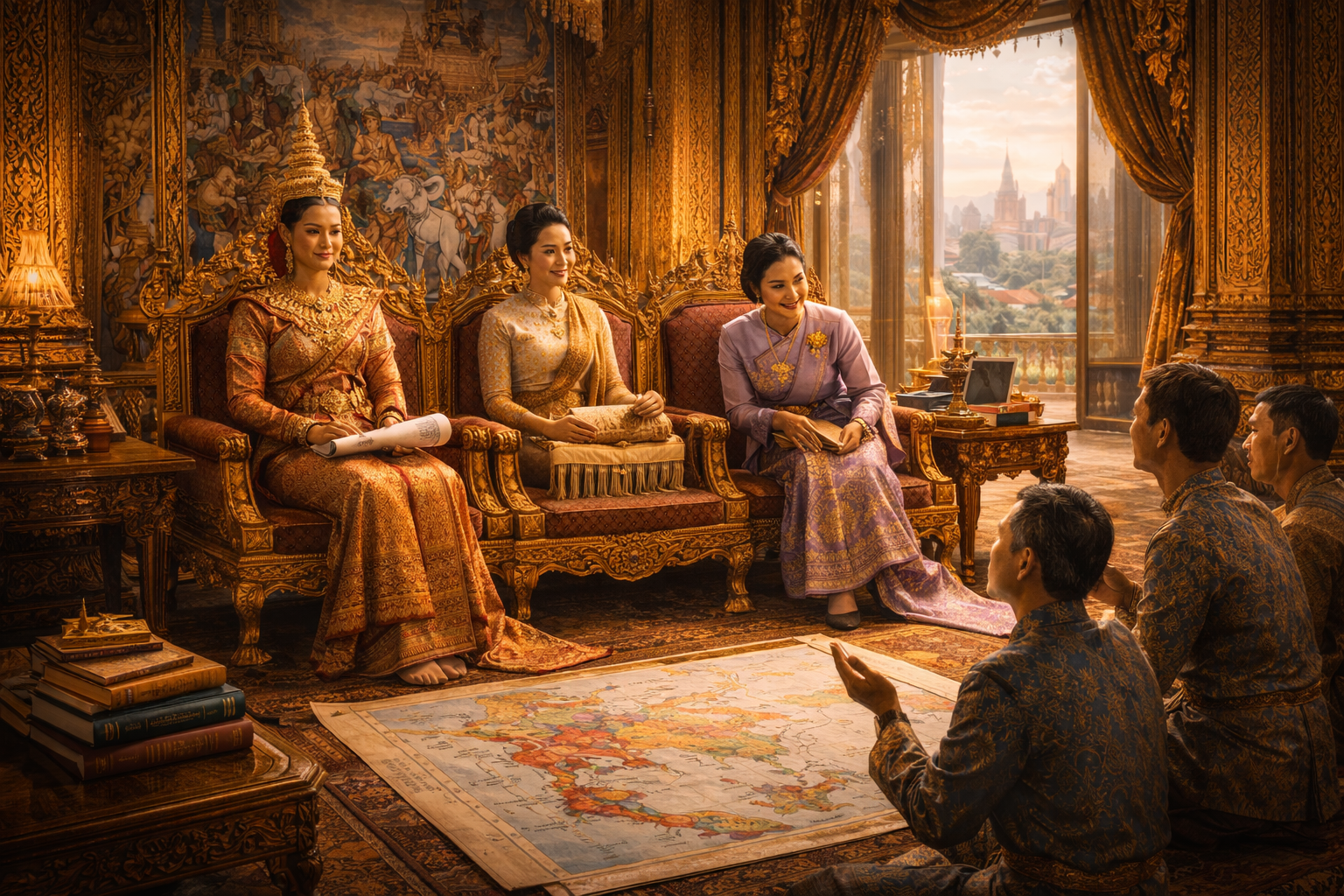
Have you ever been fascinated by Thai history and culture, but felt like something was missing? Often, the narratives focus on kings and battles, overlooking the significant roles women have played in shaping the nation. Thai history isn't complete without understanding the influence of its royal women – queens, princesses, and consorts – who wielded considerable power, championed reforms, and left an indelible mark on the country's art, politics, and society. This guide will introduce you to some of the most impactful royal women in Thai history, giving you a deeper appreciation for the complexities of the kingdom's past.
Why Focus on Royal Women? Uncovering a Hidden History
Traditionally, Thai historical accounts have been largely male-dominated. However, royal women were far from passive figures. They acted as advisors, regents, diplomats, patrons of the arts, and even, on occasion, wielded direct political power. Ignoring their contributions creates a distorted view of Thai history. Understanding their influence illuminates the nuances of power dynamics, religious beliefs, and cultural shifts that shaped Thailand.
Early Kingdoms: Foundations Laid by Powerful Queens
Let's start our journey in the Sukhothai period (roughly 1238-1586), considered the cradle of Thai civilization. While King Ramkhamhaeng is rightfully celebrated for his creation of the Thai script, his queen, Sri Chinthana, deserves recognition. She was a skilled diplomat, crucial in forging alliances and maintaining stability during a time of constant conflict. While details about her life are scarce, her presence in royal decrees and inscriptions highlights her importance.
Moving into the Ayutthaya period (1351-1767), the influence of royal women truly blossomed. Queen Suriyothai stands out as a particularly courageous figure. In 1353, facing a Burmese invasion, she famously rode out to meet the enemy, sacrificing herself to allow the Ayutthaya army time to regroup. Her bravery became legendary and cemented her status as a national heroine. Her actions bought valuable time and, arguably, saved Ayutthaya from immediate destruction.
Beyond bravery, Ayutthaya saw queens acting as regents during periods of young or absent kings. These regencies, while sometimes fraught with political maneuvering, ensured the stability of the kingdom. The sheer volume of royal women involved in these roles demonstrates the recognition of their capabilities within the court.
The Chakri Dynasty: A Period of Transformation and Influence
The Chakri Dynasty, which began in 1768, saw a new era of royal women impacting Thai society.
- Queen Amarintira (Mom Chao Krungthong Thongchai): The Queen Regent during the minority of King Rama I, she skillfully navigated complex political situations and laid the groundwork for the reforms that would define the early Chakri period. Her influence extended to religious matters, and she played a crucial role in establishing the foundation of the modern Thai Buddhist system.
- Queen Sri Pinthaka (Queen of Rama III): A remarkable scholar and patron of literature, Queen Sri Pinthaka was known for her intellectual pursuits and her support of Thai arts and culture. She was a skilled poet and translator, and her influence helped preserve and promote traditional Thai literature. Her home, Wat Bowonniwet Vihara, remains a center for Buddhist studies and traditional arts.
- Queen Sukkhaphat (Queen of Rama V): Queen Sukkhaphat, also known as Queen Debsirin, was instrumental in modernizing Thai education, particularly for women. Recognizing the need for educated women to contribute to the nation's progress, she established schools and championed initiatives to improve female literacy. Her work laid the foundation for the expansion of women's education in Thailand.
- Queen Rambhai Barni (Queen of Rama VI): Queen Rambhai Barni was a strong advocate for social welfare and public health. She established numerous charitable organizations and worked tirelessly to improve the lives of the poor and marginalized. Her dedication to humanitarian causes earned her widespread respect and admiration.
- Queen Savang Vadhana (Queen Mother of Rama IX): Queen Savang Vadhana, the Queen Mother, was a beloved figure known for her philanthropy and dedication to rural development. She established numerous foundations supporting education, healthcare, and agricultural projects in rural communities. Her tireless efforts to improve the lives of ordinary Thais solidified her place as a symbol of compassion and service.
Navigating the Challenges: Power, Perception, and Limitations
While these women held significant influence, it’s crucial to remember the constraints they operated within. Royal women’s power was often mediated through male relatives – fathers, husbands, or sons. Their actions were scrutinized, and their authority depended on maintaining the stability of the monarchy. Furthermore, societal expectations regarding women's roles could limit their scope of influence, even within the royal court. However, they consistently found ways to navigate these challenges and exert their power, often subtly but effectively.
Beyond the Throne: Artistic and Cultural Contributions
The influence of royal women extended beyond politics and social reform. They were significant patrons of the arts, supporting musicians, dancers, and artists. Many were skilled in traditional Thai crafts, contributing to the richness and diversity of Thai artistic heritage. Queen Sri Pinthaka’s literary contributions are just one example of the artistic talent residing within the royal family. Their patronage helped preserve and promote traditional Thai art forms, ensuring their survival for future generations.
Learning More: Resources and Further Exploration
- The National Museum Bangkok: Explore exhibits showcasing royal regalia and artifacts, providing glimpses into the lives of these influential women.
- Royal Household Bureau Website: While primarily focused on current royal affairs, the site often contains historical information.
- Academic Journals & Books: Search for scholarly articles and books focusing on Thai history and the role of women in the monarchy. (Keywords: Thai history, royal women, Ayutthaya, Chakri dynasty)
- Local Libraries and Historical Societies: These resources often hold unique documents and insights into local history.
Summary & Your Next Steps: Continuing the Discovery
The story of Thailand is inextricably linked to the contributions of its royal women. By recognizing their influence, we gain a more complete and nuanced understanding of the nation’s history. This guide has introduced you to some key figures, but there are countless more stories waiting to be uncovered.
Checklist for Further Exploration:
- [ ] Research one royal woman mentioned in this guide in more detail.
- [ ] Visit a museum or historical site related to Thai royal history.
- [ ] Read a book or article focusing on the role of women in Thai society.
- [ ] Discuss what you’ve learned with friends or family.
We hope this guide has sparked your curiosity and inspired you to delve deeper into the fascinating history of the Royal Women of Thailand. Their stories are a testament to the power, resilience, and enduring influence of women throughout Thai history.
TITLE: Royal Women of Thailand: Influential Figures Throughout History BODY: