Thai Cuisine: A Historical Perspective on Flavors and Traditions
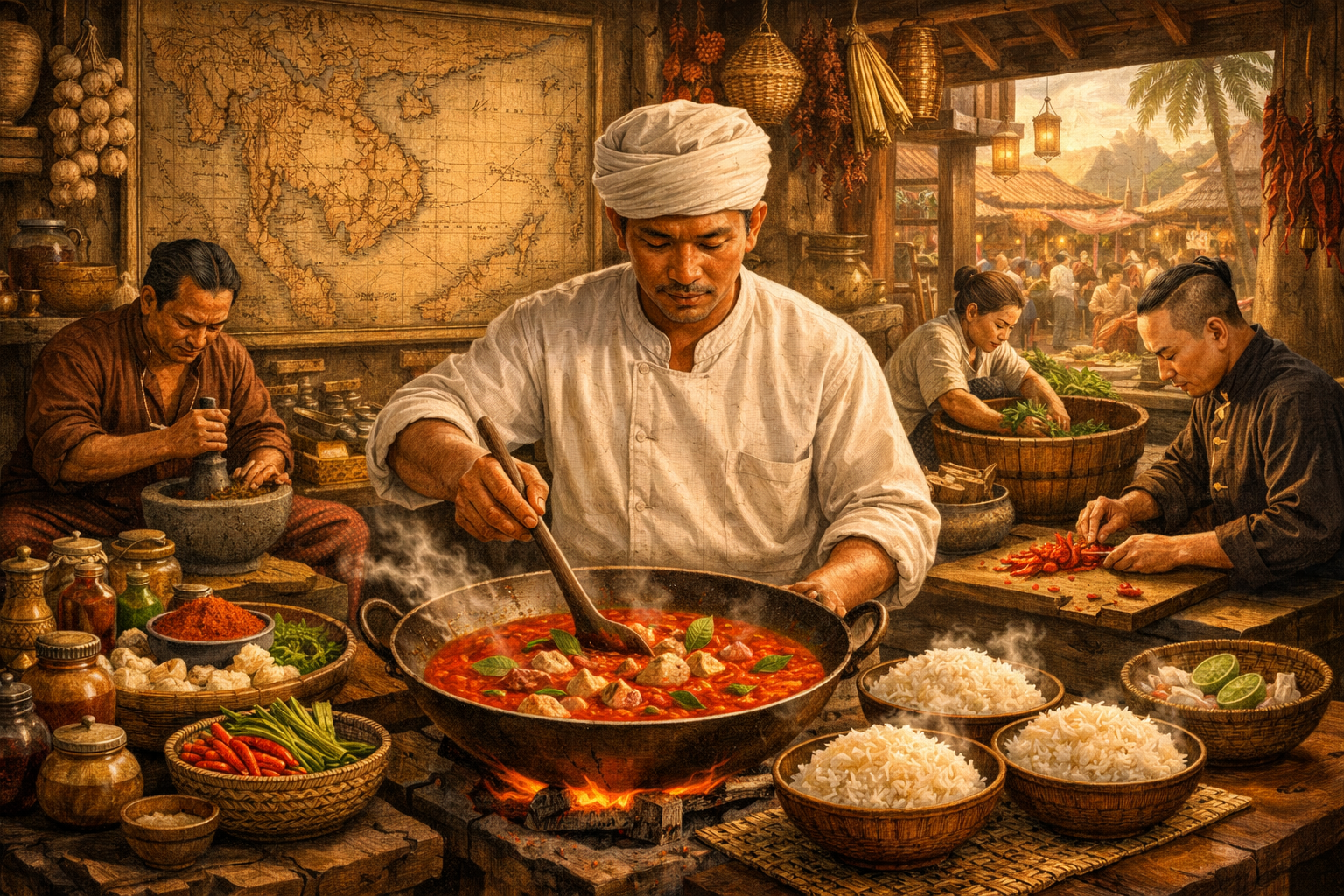
Ever wondered why Thai food tastes the way it does? It’s more than just lemongrass and chili! Behind every fragrant curry, every perfectly balanced stir-fry, lies a fascinating history shaped by trade, religion, and royal influence. This guide will take you on a culinary journey through time, exploring how Thailand's unique geographical location and rich cultural heritage have created the vibrant cuisine we know and love today. It’s not just about eating delicious food; it’s about understanding the story behind it.
Why Does Thai Food Taste So Different? A Quick Introduction
Thai cuisine isn’t a monolith. It’s a diverse tapestry of regional flavors, each influenced by its own local ingredients and historical connections. What you experience as "Thai food" in a Western restaurant is often a simplified version, blending influences from across the country. To truly appreciate Thai food, you need to understand its roots. This guide will focus primarily on Central Thai cuisine, which is the most commonly recognized internationally, while also touching on regional variations.
Ancient Roots: Early Influences (Pre-14th Century)
Before Thailand existed as a unified kingdom, the region was a crossroads of cultures. Early inhabitants, primarily Mon and Khmer people, cultivated rice and developed basic cooking techniques. These early traditions laid the foundation for what would become Thai cuisine.
- Mon and Khmer Contributions: The Mon people, from what is now Myanmar, heavily influenced early Thai cooking, particularly in central Thailand. They introduced techniques like steaming and fermentation, along with ingredients like fish sauce (nam pla) and fermented bean paste. The Khmer empire, based in Cambodia, also left its mark, particularly in the northeast (Isan) region, with influences in noodle dishes and grilling techniques.
- Indigenous Ingredients: Rice, of course, was the cornerstone. Alongside rice, early Thais utilized indigenous fruits, vegetables, and herbs readily available in the tropical landscape. These ingredients formed the base of simple, nourishing meals.
- Limited Spices: Interestingly, chili peppers weren't part of the original Thai culinary landscape. They were introduced much later, from the Americas, significantly impacting the cuisine’s heat profile.
The Sukhothai Period (13th-15th Centuries): A Royal Foundation
The Sukhothai kingdom, considered the first truly Thai kingdom, marked a pivotal moment. King Ramkhamhaeng's reign (1298-1317) saw the codification of the Thai language and, crucially, a flourishing of the arts, including cuisine.
- Royal Kitchens and Refinement: Royal kitchens became centers of culinary innovation. Cooks experimented with new ingredients and techniques, elevating cooking from a purely functional activity to an art form. Recipes were carefully documented, preserving and refining traditional methods.
- The Introduction of Chinese Influences: Trade with China brought new ingredients like soy sauce, noodles, and tofu, which were gradually integrated into Thai cooking. This marked the beginning of the complex interplay of flavors that defines Thai cuisine.
- Early Curry Development: While the concept of curry existed before, the Sukhothai period saw the beginnings of more complex curry pastes, incorporating ingredients like galangal, lemongrass, and turmeric – many of which were likely introduced through trade.
Ayutthaya Period (14th-18th Centuries): Expansion and Diversification
The Ayutthaya kingdom, succeeding Sukhothai, was a major trading hub, attracting merchants and travelers from across Asia and beyond. This period saw a significant expansion of Thai cuisine’s repertoire.
- Spice Trade and New Flavors: The spice trade brought a wealth of new ingredients from India, Malaysia, and the Middle East. Cumin, coriander, cloves, nutmeg, and cinnamon became increasingly common, adding depth and complexity to Thai dishes.
- Portuguese Influence: Portuguese traders, who established a presence in Ayutthaya, introduced peanuts, sweet potatoes, and, importantly, frying techniques. This led to the creation of dishes like pla goong wan, a fried shrimp dish in a sweet chili sauce.
- Regional Differentiation: As the kingdom expanded, regional variations in cuisine began to emerge. Northern Thailand, bordering Myanmar and Laos, developed a cuisine influenced by those neighboring cultures, featuring milder flavors and a greater emphasis on herbs. Isan cuisine, in the northeast, became known for its spicy and fermented dishes. Southern Thailand, with its proximity to Malaysia, incorporated Malaysian and Indonesian influences, resulting in a richer, coconut-milk-based cuisine.
The Rattanakosin Period (1782-Present): Modern Thai Cuisine
The move of the capital to Bangkok in 1782, marking the beginning of the Rattanakosin period, solidified the foundations of modern Thai cuisine.
- Royal Patronage Continues: Thai monarchs continued to be patrons of the arts, including cuisine. Royal chefs were tasked with creating new dishes and refining existing ones, ensuring the preservation and development of culinary traditions.
- The Rise of Street Food: Bangkok’s bustling street food scene flourished during this period, offering affordable and accessible versions of traditional dishes. This helped to popularize Thai cuisine among all social classes.
- 20th Century Globalization: The 20th century saw Thai cuisine gain international recognition. Thai restaurants began to appear worldwide, introducing Thai flavors to a global audience. While these adaptations often simplified or modified traditional recipes, they sparked a wider appreciation for Thai food.
A Quick Regional Flavor Snapshot:
- Central Thai: Known for its balance of sweet, sour, salty, and spicy flavors. Often features coconut milk and aromatic herbs. Think Pad Thai and Green Curry.
- Northern Thai: Milder flavors, influenced by Myanmar and Laos. Uses a lot of herbs and features dishes like Khao Soi (a coconut curry noodle soup).
- Isan (Northeast Thai): Spicy and savory, with a strong emphasis on grilled meats, fermented fish, and sticky rice.
- Southern Thai: Rich and creamy, with a strong Malay influence. Uses a lot of coconut milk, seafood, and spices.
Your Thai Cuisine Journey: A Checklist
- ☐ Explore Regional Variations: Don't limit yourself to Pad Thai! Seek out dishes specific to different regions of Thailand.
- ☐ Learn About Key Ingredients: Familiarize yourself with ingredients like galangal, lemongrass, kaffir lime leaves, and fish sauce.
- ☐ Try Authentic Thai Restaurants: Look for restaurants run by Thai chefs who prioritize traditional recipes.
- ☐ Cook Thai Food at Home: Experiment with Thai recipes and embrace the challenge of balancing flavors.
Thai cuisine is a living, breathing tradition, constantly evolving while still honoring its rich history. By understanding the historical context of Thai food, you can appreciate its complexity and savor it with a deeper understanding. Now, go forth and explore the delicious world of Thai flavors!