Religion and Thai History: The Role of Buddhism and Beyond
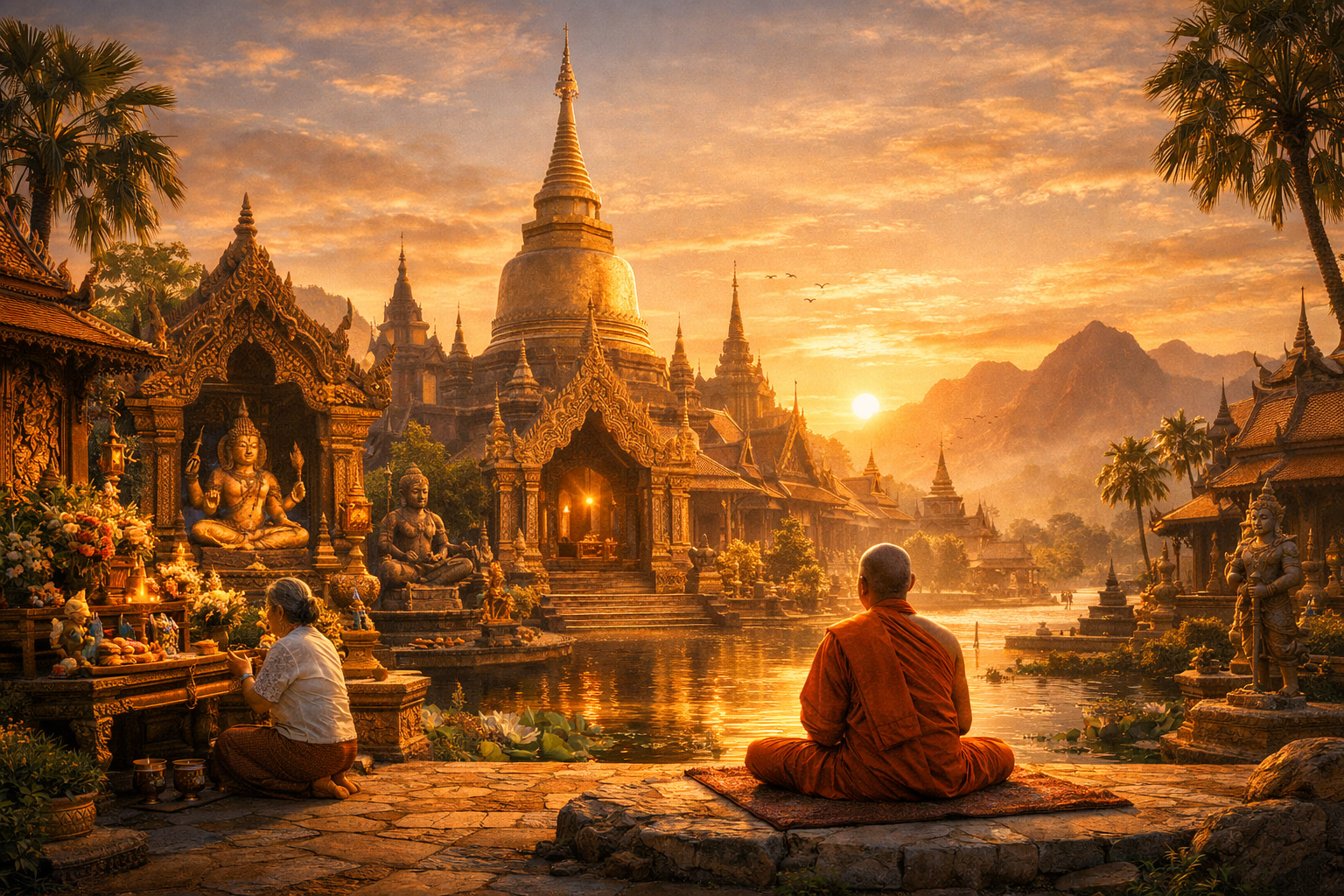
Ever found yourself wandering through a stunning Thai temple, marveling at the intricate details and serene atmosphere, and wondering, "How did religion shape this country's history?" Thailand’s story is deeply intertwined with faith, but it’s more complex than just “Buddhism.” While Buddhism is undeniably the dominant influence, understanding the nuances of its interaction with indigenous beliefs, Hinduism, animism, and even Islam is key to truly grasping Thai history and culture. This guide will unpack that history, step by step, so you can appreciate the richness and depth of Thailand's spiritual heritage.
Why Religion Matters to Understanding Thai History
Religion isn't just about beliefs; it’s a powerful force that influences social structures, political power, artistic expression, and even everyday life. In Thailand, it’s been a constant thread, weaving through periods of war, unification, and modernization. Ignoring religion means missing a huge chunk of the story. Think of it like trying to understand a painting without noticing the colors – you’ll get the general shape, but you’ll miss the vibrancy and meaning.
Step 1: The Early Influences – Animism and Hinduism
Before Buddhism arrived, the people who inhabited the region of what is now Thailand practiced animism. This meant believing in spirits inhabiting natural objects like trees, rocks, and rivers. These spirits were revered and appeased through rituals and offerings. This animistic worldview didn’t disappear with the arrival of other religions; it blended and continues to influence Thai beliefs and practices today. You’ll see it reflected in spirit houses found in front of homes and businesses, and in the respect for nature that permeates Thai culture.
Around the 6th century CE, Hinduism, particularly Shaivism (worship of Shiva), began to spread from India. Early Thai kingdoms, like the Dvaravati culture, adopted Hindu deities and practices, integrating them with existing animistic beliefs. You'll see evidence of this in ancient sculptures and temple architecture. The names of some Thai people and places even derive from Sanskrit, the language of Hinduism. For example, the name "Siam," historically used to refer to Thailand, is believed to be derived from the Hindu word "Syam," meaning dark brown, possibly referring to the color of the people or the land.
Step 2: The Arrival of Buddhism – Theravada's Dominance
The pivotal moment arrived in the 13th century when King Ramkhamhaeng of Sukhothai embraced Theravada Buddhism. Theravada Buddhism, often called the “School of the Elders,” emphasizes personal enlightenment through meditation and adherence to the Buddha’s teachings. Ramkhamhaeng’s adoption of Buddhism wasn’t just a personal choice; it was a strategic move. Buddhism provided a unifying ideology for his expanding kingdom, a framework for law and ethics, and a source of legitimacy for his rule.
The Sukhothai period (1238-1438) is considered the golden age of Theravada Buddhism in Thailand. Monks were highly respected, and the construction of elaborate temples and monasteries flourished. The Sukhothai inscription, a stone stele containing laws and philosophical teachings, is a testament to the king’s commitment to Buddhism and its influence on governance.
Step 3: The Ayutthaya Kingdom – Buddhism, Kingship, and Art
The Ayutthaya Kingdom (1351-1767) built upon the foundations laid by Sukhothai. Buddhism continued to be the state religion, and the relationship between the monarchy and the Buddhist Sangha (monastic community) became deeply intertwined. The king was seen as the protector of the faith, and monks served as advisors and educators. This close relationship solidified the king’s power and fostered a culture of patronage for Buddhist art and architecture. The magnificent ruins of Ayutthaya, a UNESCO World Heritage Site, showcase the grandeur of this era and the intricate blend of Buddhist and artistic influences.
During this period, the Buddhist calendar was adopted, and Buddhist holidays became important national celebrations. The construction of elaborate temple complexes, often incorporating elements of Khmer architecture (from neighboring Cambodia), became a symbol of royal power and piety.
Step 4: The Chakri Dynasty and Modernization – Navigating Change
The Chakri Dynasty, which began in 1782, faced the challenge of modernization in the 19th and 20th centuries. While maintaining Buddhism as the state religion, the Chakri kings also embraced Western education and technology. This period saw some tension between traditional Buddhist values and the forces of modernization.
However, Buddhism also played a crucial role in Thai nationalism. Buddhist teachings about compassion and peace were often invoked to promote unity and stability during periods of political upheaval. The government actively supported the construction of new temples and the education of monks, ensuring Buddhism's continued relevance in modern Thai society.
Step 5: Beyond Buddhism – Islam, Christianity, and Indigenous Traditions
While Buddhism dominates, Thailand is a religiously diverse country. Islam arrived with traders from the Middle East and Southeast Asia, establishing a significant presence in the southern provinces. Christianity, primarily through missionary work, has a smaller but growing following. And, crucially, the indigenous animistic beliefs haven’t disappeared. They’ve syncretized with Buddhism, creating unique local traditions and practices. For example, many Thai Buddhists will visit spirit houses alongside temples, demonstrating the enduring influence of animistic beliefs. Understanding these other religious communities is vital for a complete picture of Thai history.
Tips for Deeper Understanding:
- Visit Temples: Don’t just admire the architecture; observe the rituals and interactions between monks and locals.
- Read Inscriptions: Many ancient temples have inscriptions that provide valuable insights into historical events and beliefs.
- Talk to Locals: Engage in conversations with Thai people about their faith and its role in their lives.
- Explore Regional Variations: Religious practices and beliefs can vary significantly across different regions of Thailand.
Summary: Religion's Enduring Legacy
Religion in Thailand is far more than just a set of beliefs; it's a powerful force that has shaped the nation's history, culture, and identity. From the animistic roots to the dominant influence of Theravada Buddhism, and the presence of other faiths, understanding this complex interplay is essential for appreciating the richness and depth of Thailand. It's a story of adaptation, integration, and resilience, reflecting the enduring spirit of the Thai people.
Checklist for Further Exploration:
- [ ] Research the Sukhothai inscription.
- [ ] Visit a spirit house and observe the offerings.
- [ ] Learn about the history of Islam in Southern Thailand.
- [ ] Identify examples of Hindu influence in Thai art and architecture.
- [ ] Reflect on how religious beliefs influence Thai values and customs.
Your Next Step: Now that you have a better understanding of the role of religion in Thai history, consider visiting a local temple or museum to further immerse yourself in this fascinating topic. Happy exploring!