Significant Battles and Conflicts in Thai History
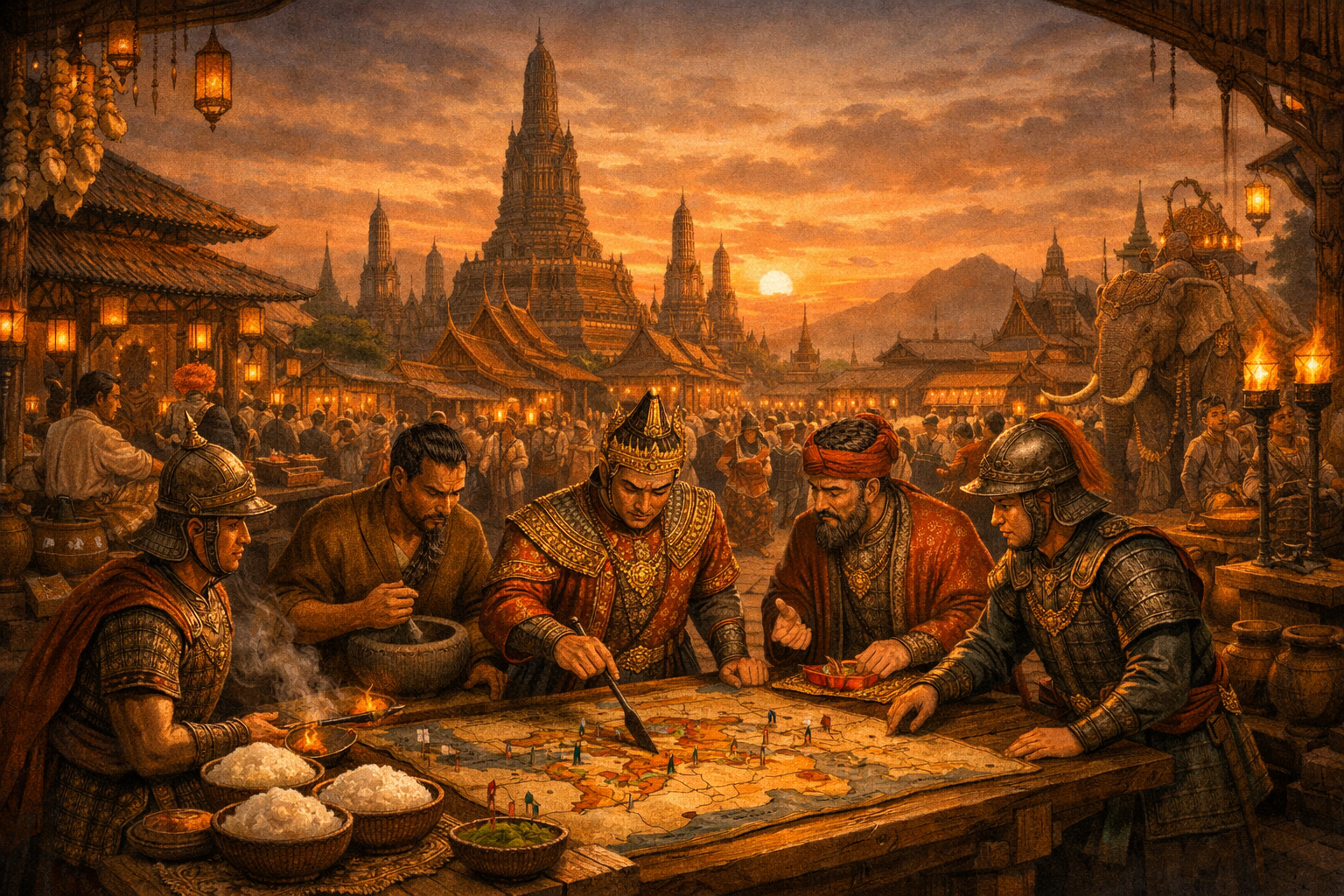
Ever felt like Thai history is a sprawling, complicated tapestry? You're not alone! It's a rich and fascinating story, but sometimes those threads of conflict can be hard to untangle. Understanding the major battles and conflicts isn’t just about memorizing dates and names; it’s about grasping how Thailand – or Siam, as it was historically known – evolved, defended its independence, and shaped its unique identity. This guide will break down some of the most significant clashes, offering a clearer picture of Thailand’s past and its journey to the present day.
Why Should You Care About Thai Battles?
Before we dive in, let’s quickly address why this matters. These conflicts shaped Thailand’s borders, its political systems, its relationship with its neighbors, and even its culture. Knowing about them provides context for understanding modern Thailand – its strengths, its challenges, and its place in Southeast Asia.
1. The Sukhothai-Mong Invasion (1351-1353): A Defining Moment
Let’s start with a pivotal moment. The Sukhothai Kingdom, considered the precursor to modern Thailand, was a powerful force in the 14th century. However, a Mongol invasion, led by the Kublai Khan’s grandson, threatened to destroy it. This wasn’t a straightforward conquest; the Mongols, weakened and more interested in tribute than outright control, attempted to install a puppet ruler.
- What happened? The Sukhothai army, under the leadership of King Lue Thai, initially suffered setbacks. However, the people rallied, and a combined Sukhothai and Khmer force decisively defeated the Mongols.
- Why it's important: This victory solidified Sukhothai's independence and demonstrated the resilience of the Thai people. It’s often cited as a key moment in the formation of Thai national identity.
- Quick Tip: Think of this battle as a “David versus Goliath” story – a smaller kingdom successfully resisting a larger, seemingly unstoppable power.
2. The Burmese Wars (1549-1767): A Century of Struggle
The 16th to 18th centuries were dominated by a series of brutal conflicts with the Burmese kingdom of Taungoo (and later, the Hanthawaddy Kingdom). These wars were long, complex, and resulted in periods of Burmese rule over much of Siam.
- Key Battles & Periods:
- First Burmese War (1549-1563): Burmese forces invaded Siam, capturing Ayutthaya, the then-capital. King Maha Chakkraphat was taken prisoner, and Siam was under Burmese control for a period.
- Second Burmese War (1592-1605): Another Burmese invasion, again causing widespread destruction.
- Third Burmese War (1613-1614): A brief period of renewed conflict.
- Fourth Burmese War (1759-1767): This was the most devastating. Prince Taksin of Thonburi led a rebellion against the Burmese, eventually driving them out and establishing the Thonburi Kingdom.
- Why it's important: These wars shaped Siamese military tactics, leading to the development of a formidable elephant corps and a focus on guerrilla warfare. They also fostered a sense of Thai nationalism and a determination to resist foreign domination.
- Actionable Advice: To truly understand these wars, focus on the reasons behind them – the power struggles between kingdoms, the desire for resources, and the shifting alliances in the region.
3. The Laotian Wars (1820-1827 & 1885): Border Disputes and Expansion
King Mongkut (Rama IV) and his successor, King Chulalongkorn (Rama V), faced challenges with neighboring Laos, particularly concerning territorial claims and the control of strategic trade routes.
- The Lao Wars (1820-1827): These conflicts arose from Siamese expansionism and attempts to assert control over Lao territories. They resulted in significant loss of life and destruction in Laos.
- Franco-Siamese War (1893): While not directly a Laotian war, it stemmed from the same territorial disputes. France, seeking to expand its influence in Indochina, clashed with Siam over control of Laos. Siam was forced to cede Laos to France.
- Why it's important: These events highlight the complex history of border disputes in Southeast Asia and the impact of European colonialism on the region. They also demonstrate Siam’s attempts to balance its independence with the pressures of expanding European empires.
- Tip for Further Learning: Look into the concept of the "Spheres of Influence" – a key factor in 19th-century European colonialism.
4. The Franco-Thai War (1940-1941): A Clash Over Territory
This conflict was a relatively short but significant war between Thailand and France, primarily over disputed territories in Indochina (modern-day Laos and Cambodia).
- What happened? Thailand, under the rule of Plaek Phibunsongkhram (Phibun), launched an offensive to reclaim territories that had previously been ceded to France. The war involved several battles and ultimately resulted in a negotiated settlement.
- Why it's important: The Franco-Thai War was the last major armed conflict between Thailand and a European power. It also demonstrated Thailand’s desire to assert its sovereignty and reclaim lost territories.
- Understanding the Context: Phibun’s nationalist policies and his desire to portray Thailand as a strong, modern nation played a significant role in instigating the war.
5. The Vietnam War (1960s-1970s): A Sanctuary and a Strategic Location
While Thailand wasn't directly involved in fighting against North Vietnam, it served as a crucial logistical base and sanctuary for U.S. forces during the Vietnam War. This period had a profound impact on Thai society and politics.
- What happened? Thailand allowed the U.S. to establish military bases and training facilities within its borders. This led to increased American influence and investment in Thailand.
- Why it’s important: This period shaped Thailand’s relationship with the United States and contributed to internal political tensions, including communist insurgency.
Summary & Checklist: Your Thai History Battle Roadmap
Navigating Thai history can feel daunting, but understanding these key conflicts provides a solid foundation. Here's a quick recap and a checklist to help you solidify your knowledge:
- Sukhothai-Mong Invasion: Recognize its significance in establishing Thai identity.
- Burmese Wars: Understand the long-term impact on Siamese military and national consciousness.
- Laotian Wars & Franco-Siamese War: Appreciate the complexities of border disputes and colonial influence.
- Franco-Thai War: Remember it as the final major clash with a European power.
- Vietnam War: Grasp Thailand’s role as a strategic base and the resulting political and social consequences.
Call to Action: Don't stop here! This guide is just a starting point. Dive deeper into specific battles or periods that pique your interest. Explore primary sources, read biographies of key figures, and engage with Thai history through museums and cultural sites. The more you explore, the richer your understanding of Thailand's fascinating past will become!