Unlocking the Flavors of Thai Cuisine – A Beginner's Guide (14)
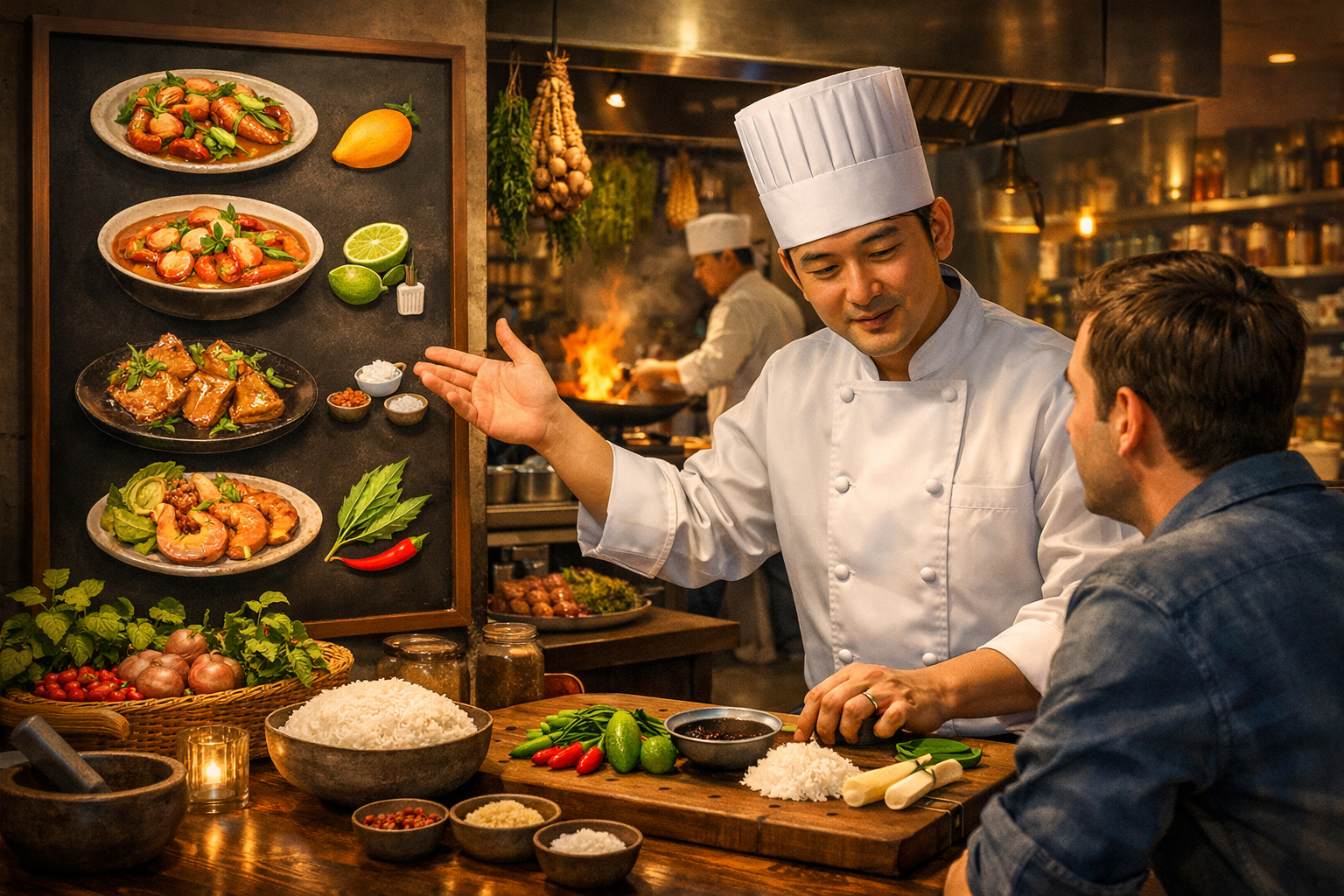
Ever walked into a Thai restaurant and felt overwhelmed by the menu? Or perhaps you've tried recreating a dish at home and it just didn't quite taste right? Thai cuisine is incredibly diverse and complex, a beautiful tapestry woven from fragrant herbs, fiery chilies, and perfectly balanced sweet, sour, salty, and bitter flavors. It can seem daunting, but it's also incredibly rewarding to explore. This guide will break down the basics, helping you understand the core principles of Thai food and confidently navigate menus or even start your own Thai cooking journey.
Understanding the Foundations: The Five Fundamental Tastes
Thai cuisine isn't just about throwing ingredients together. It’s about achieving harmony. That harmony is built upon the concept of the five fundamental tastes: sweet, sour, salty, spicy, and bitter. A truly great Thai dish will incorporate all five, though the emphasis will vary depending on the specific dish.
- Sweet: Often comes from palm sugar, but also from fruits like pineapple or mango. It balances the heat and acidity.
- Sour: Lime juice, tamarind paste, and vinegar are common sources. It adds brightness and complexity.
- Salty: Fish sauce (nam pla) is the essential salty ingredient in Thai cooking. Soy sauce is sometimes used, but fish sauce provides a unique umami flavor.
- Spicy: Chilies are, of course, key! The type and amount used significantly impact the heat level.
- Bitter: This is often subtle, coming from herbs like holy basil or certain vegetables. It adds depth and complexity.
Mastering the balance of these five tastes is the key to authentic Thai flavor. Don't be afraid to experiment – a little extra lime juice here, a touch more palm sugar there, and you’ll start to get a feel for what works.
Regional Variations: A Quick Overview
Thailand is a large country, and its cuisine varies significantly by region. Here’s a simplified overview:
- Central Thai: This is often what people think of as "typical" Thai food. It's known for its creamy curries (like green curry and red curry), fragrant jasmine rice, and balanced flavors. Dishes often feature coconut milk and peanuts.
- Northern Thai (Lanna Cuisine): Influenced by Burmese and Chinese cooking, Northern Thai food tends to be milder and less spicy. Think khao soi (a creamy coconut curry noodle soup) and sai oua (Northern Thai sausage). Fermented ingredients are more common.
- Northeastern Thai (Isan Cuisine): This is the spiciest and most rustic of the regional cuisines. Grilled meats, sticky rice, and som tam (papaya salad) are staples. Fermentation plays a huge role.
- Southern Thai: Influenced by Malaysian and Indonesian cuisine, Southern Thai food is known for its use of turmeric, lemongrass, and chilies. Seafood is abundant. Dishes can be quite spicy and rich.
While this is a simplification, understanding these regional differences can help you appreciate the diversity of Thai cuisine.
Essential Ingredients: Your Thai Pantry Starter Kit
Building a basic Thai pantry doesn’t require a huge investment. Here are some essentials to get you started:
- Fish Sauce (Nam Pla): Absolutely crucial! Look for a good quality brand.
- Palm Sugar: Adds a unique sweetness compared to granulated sugar.
- Rice (Jasmine): The standard rice for Thai meals.
- Chilies: Dried red chilies, fresh red chilies (bird's eye chilies are common), and chili paste (like sambal oelek) are all useful.
- Lemongrass: Adds a bright, citrusy flavor.
- Galangal: Similar to ginger but with a more citrusy, piney aroma.
- Kaffir Lime Leaves: Provide a distinctive fragrance.
- Thai Basil (Holy Basil): Adds a peppery, slightly anise-like flavor.
- Coconut Milk: Full-fat coconut milk is essential for many curries and soups.
- Tamarind Paste: Provides a sour, fruity flavor.
- Curry Pastes (Red, Green, Yellow): A convenient shortcut for making curries. Look for authentic brands.
Decoding the Menu: Common Thai Dishes Explained
Let’s break down some popular Thai dishes to give you a better understanding of what to expect:
- Pad Thai: Stir-fried rice noodles with shrimp, tofu, peanuts, bean sprouts, and a tangy tamarind sauce. A classic for a reason!
- Green Curry (Gaeng Keow Wan): A creamy coconut milk curry with green chilies, Thai basil, and often chicken or beef.
- Red Curry (Gaeng Daeng): Similar to green curry, but with red chilies, giving it a richer, deeper flavor.
- Massaman Curry (Gaeng Massaman): A milder, sweeter curry influenced by Persian and Indian cuisine, often with potatoes and peanuts.
- Tom Yum Soup: A hot and sour soup with lemongrass, galangal, kaffir lime leaves, chilies, and often shrimp or chicken.
- Som Tam (Papaya Salad): A spicy and refreshing salad made with shredded green papaya, tomatoes, green beans, peanuts, and a tangy lime dressing.
- Mango Sticky Rice (Khao Niao Mamuang): A sweet and satisfying dessert made with sticky rice, ripe mango, and coconut milk.
Tips for Cooking Thai Food at Home
- Don't be afraid of fish sauce: It might smell strong on its own, but it adds incredible umami flavor to dishes.
- Taste as you go: Thai cooking is all about balancing flavors. Adjust the seasonings to your liking.
- Fresh ingredients are key: While curry pastes are convenient, using fresh herbs and spices will elevate your dishes.
- Start with simple recipes: Don't try to tackle a complex dish on your first attempt. Pad Thai or a simple stir-fry are great starting points.
- Embrace the heat: If you like spicy food, don’t be afraid to add extra chilies!
Summary & Checklist: Your Thai Food Journey Begins!
Exploring Thai cuisine is a delicious adventure! Here's a quick recap and checklist to guide you:
- Understand the Five Tastes: Sweet, Sour, Salty, Spicy, Bitter.
- Explore Regional Variations: Central, Northern, Northeastern, Southern.
- Stock Your Pantry: Fish sauce, palm sugar, jasmine rice, chilies, lemongrass, galangal, coconut milk, etc.
- Decipher the Menu: Familiarize yourself with common Thai dishes.
- Start Cooking! Begin with simple recipes and experiment with flavors.
Your Action Item: This week, try cooking one Thai dish at home. Even a simple Pad Thai will give you a taste of the magic! Don't be afraid to adjust the flavors to your liking – that’s how you discover your own perfect Thai taste. Bon appétit (or as they say in Thailand, aroi mak mak!)!