Unlocking the Flavors of Thai Food: A Beginner's Guide (20)
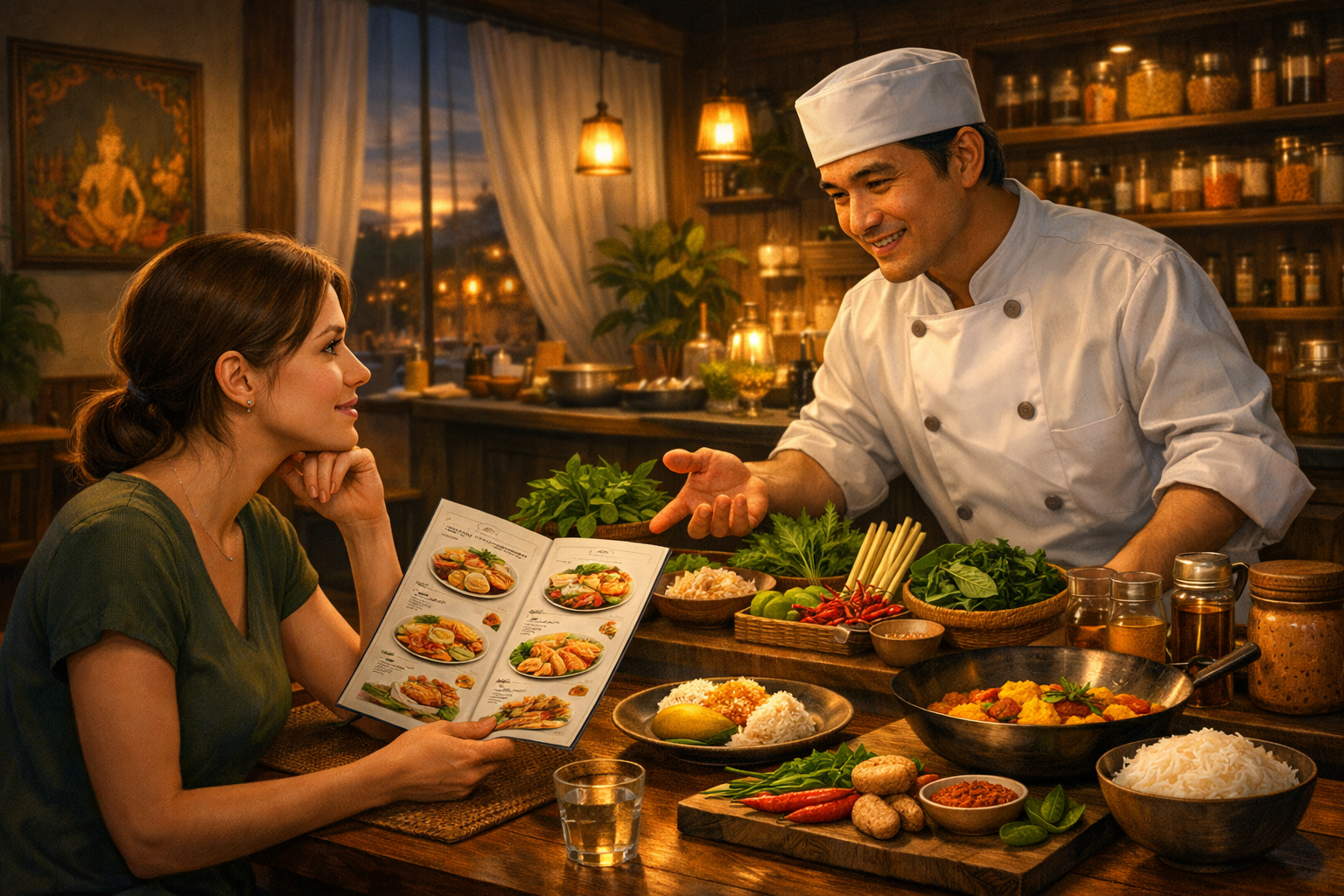
Ever walked past a Thai restaurant, overwhelmed by the menu filled with unfamiliar names and spicy-sounding dishes? Or maybe you’ve tried Thai food once and found it delicious but feel like you barely scratched the surface? You're not alone! Thai cuisine is incredibly diverse and nuanced, and it can feel daunting to navigate. This guide is designed to demystify Thai food, helping you understand its core principles, common ingredients, and how to confidently order (and even cook!) delicious Thai dishes.
Why is Thai Food So Unique? Understanding the Foundations
Thai food isn’t just about heat. While chilies certainly play a role, the real magic lies in the balance of five fundamental tastes: sweet, sour, salty, bitter, and spicy. A truly great Thai dish will harmonize these flavors, creating a complex and satisfying experience. This balance is achieved through a careful combination of fresh herbs, aromatics, and sauces.
Beyond the taste profile, regional variations are incredibly important. What you find in Northern Thailand (like Khao Soi) is vastly different from the cuisine of Southern Thailand (known for its use of seafood and turmeric). Central Thai food, often considered the "classic" style, is generally milder and features creamy curries.
Key Ingredients: Your Thai Pantry Starter Kit
Building a basic Thai pantry will make cooking at home significantly easier. Here’s a breakdown of essential ingredients to get you started:
- Fish Sauce (Nam Pla): This is the cornerstone of Thai flavor. It's salty, umami-rich, and adds depth to almost every dish. Don’t be afraid of it – a little goes a long way!
- Soy Sauce (See Ew): Both light and dark soy sauce are used. Light soy sauce is saltier and thinner, while dark soy sauce is thicker, sweeter, and adds color.
- Palm Sugar (Nam Tan Piip): This unrefined sugar has a caramel-like flavor and adds sweetness and complexity. Brown sugar can be used as a substitute in a pinch.
- Lime Juice (Nam Manow): Essential for that characteristic Thai sourness. Freshly squeezed is always best.
- Chilies: Thai chilies are notoriously hot! Start with a small amount and adjust to your spice preference. Bird's eye chilies are common, but milder varieties exist.
- Galangal (Kha): A rhizome similar to ginger, but with a more citrusy, piney flavor. It’s a key ingredient in many curries and soups.
- Lemongrass (Takrai): Adds a bright, citrusy aroma and flavor.
- Kaffir Lime Leaves (Bai Makrut): These fragrant leaves are often torn or bruised to release their oils.
- Thai Basil (Bai Horapa): Distinct from Italian basil, Thai basil has a slightly anise-like flavor.
- Garlic & Ginger: Staples in any kitchen, but crucial in Thai cooking.
- Coconut Milk (Kati): Used extensively in curries and desserts. Full-fat coconut milk provides the richest flavor.
Decoding the Menu: Common Thai Dishes Explained
Let's break down some popular Thai dishes so you can confidently choose what to order:
- Pad Thai: Perhaps the most famous Thai dish, Pad Thai is stir-fried rice noodles with tofu, shrimp (or chicken/pork), bean sprouts, peanuts, and a tangy tamarind-based sauce.
- Green Curry (Gaeng Keow Wan): A creamy, aromatic curry made with green chilies, coconut milk, bamboo shoots, Thai basil, and often eggplant or bell peppers. Choose your protein (chicken, beef, pork, tofu). Be warned: Green curry is usually quite spicy!
- Red Curry (Gaeng Daeng): Similar to green curry but made with red chilies, resulting in a slightly less intense, but still flavorful, curry.
- Massaman Curry (Gaeng Massaman): A milder, sweeter curry with influences from Persian and Indian cuisine. It typically contains potatoes, peanuts, and often beef or chicken.
- Tom Yum Soup (Tom Yum Goong): A hot and sour soup flavored with lemongrass, galangal, kaffir lime leaves, chilies, and mushrooms. “Goong” refers to shrimp, so Tom Yum Goong is the shrimp version.
- Tom Kha Gai: A creamy coconut milk soup similar to Tom Yum, but with a milder, sweeter flavor. "Gai" means chicken.
- Som Tum (Papaya Salad): A spicy and refreshing salad made with shredded green papaya, tomatoes, green beans, peanuts, chilies, lime juice, and fish sauce.
- Mango Sticky Rice (Khao Niao Mamuang): A classic Thai dessert consisting of sweet sticky rice drizzled with coconut milk and served with ripe mango.
Spice Levels: Navigating the Heat
Thai restaurants often use a scale to indicate spice levels. Here's a general guide (though it can vary by restaurant):
- 1 Chili: Mild – a touch of heat, primarily flavor.
- 2 Chilies: Medium – noticeable heat, but still enjoyable for most.
- 3+ Chilies: Hot – proceed with caution! This is for spice lovers only.
Don't be afraid to ask your server for recommendations or to adjust the spice level. It’s always better to start mild and add more heat than to be overwhelmed.
Tips for Ordering Like a Pro
- Don't be afraid to ask questions: Servers are usually happy to explain dishes and make recommendations.
- Specify your preferences: Let them know if you prefer your food less spicy, or if you have any allergies.
- Consider sharing: Thai food is often served family-style, so ordering a variety of dishes to share is a great way to experience different flavors.
- Rice is essential: Jasmine rice is the standard accompaniment to most Thai dishes.
Bringing Thai Flavors Home: Simple Recipes to Try
While mastering complex Thai curries takes time and practice, there are plenty of easy dishes you can make at home:
- Quick Pad See Ew: Stir-fried wide rice noodles with soy sauce, dark soy sauce, Chinese broccoli, and your choice of protein.
- Easy Tom Yum Soup: Follow a simple recipe online using pre-made paste to save time.
- Refreshing Thai Salad: Combine chopped vegetables with a lime juice, fish sauce, and chili dressing.
Summary & Checklist: Your Thai Food Journey Begins!
Thai food is a delicious and rewarding culinary adventure. Here's a quick recap and checklist to help you on your way:
- Understand the Five Tastes: Sweet, sour, salty, bitter, spicy – balance is key!
- Stock Your Pantry: Fish sauce, soy sauce, palm sugar, lime juice, chilies, lemongrass, galangal.
- Familiarize Yourself with Common Dishes: Pad Thai, curries, soups, salads, desserts.
- Communicate Your Spice Preference: Don't be afraid to ask for adjustments.
- Start Cooking at Home: Even simple recipes will introduce you to new flavors and techniques.
Now, go forth and explore the wonderful world of Thai cuisine! อร่อย! (Aroi! - Delicious!)
TITLE: Artikel 20 BODY: Ever walked past a Thai restaurant, overwhelmed by the menu filled with unfamiliar names and spicy-sounding dishes? Or maybe you’ve tried Thai food once and found it delicious but feel like you barely scratched the surface? You're not alone! Thai cuisine is incredibly diverse and nuanced, and it can feel daunting to navigate. This guide is designed to demystify Thai food, helping you understand its core principles, common ingredients, and how to confidently order (and even cook!) delicious Thai dishes.
Why is Thai Food So Unique? Understanding the Foundations
Thai food isn’t just about heat. While chilies certainly play a role, the real magic lies in the balance of five fundamental tastes: sweet, sour, salty, bitter, and spicy. A truly great Thai dish will harmonize these flavors, creating a complex and satisfying experience. This balance is achieved through a careful combination of fresh herbs, aromatics, and sauces.
Beyond the taste profile, regional variations are incredibly important. What you find in Northern Thailand (like Khao Soi) is vastly different from the cuisine of Southern Thailand (known for its use of seafood and turmeric). Central Thai food, often considered the "classic" style, is generally milder and features creamy curries.
Key Ingredients: Your Thai Pantry Starter Kit
Building a basic Thai pantry will make cooking at home significantly easier. Here’s a breakdown of essential ingredients to get you started:
- Fish Sauce (Nam Pla): This is the cornerstone of Thai flavor. It's salty, umami-rich, and adds depth to almost every dish. Don’t be afraid of it – a little goes a long way!
- Soy Sauce (See Ew): Both light and dark soy sauce are used. Light soy sauce is saltier and thinner, while dark soy