A Beginner's Guide to Understanding Thai Food (23)
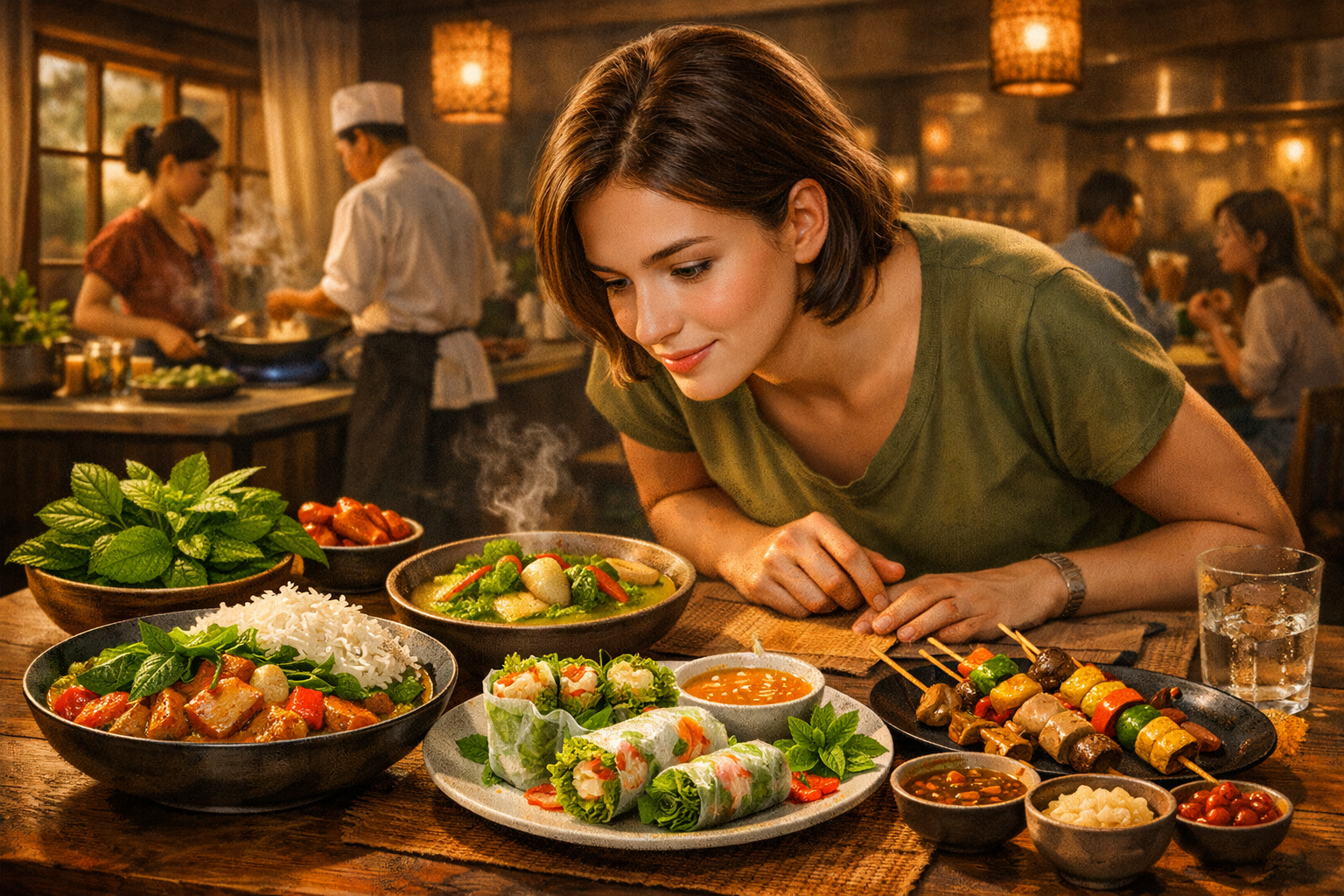
Ever walked into a Thai restaurant and felt overwhelmed by the menu? Or maybe you've tried making Thai food at home and it just didn't taste quite right? You're not alone! Thai cuisine is incredibly diverse, layered with complex flavors, and often misunderstood. This guide is designed to demystify Thai food, helping you navigate menus, understand key ingredients, and even start your own culinary journey. We'll break down the basics, explore regional differences, and offer tips for appreciating the nuances of this amazing cuisine.
Why is Thai Food So Unique? Beyond Just "Spicy"
Most people associate Thai food with heat, and while chili peppers are important, they're just one piece of the puzzle. Thai cuisine is a beautiful balance of five fundamental tastes: sweet, sour, salty, bitter, and spicy. The skill of a Thai chef lies in harmonizing these flavors in a way that creates a truly satisfying and complex experience. It's about balance, not just intensity. Don't be afraid of spice, but be aware that "medium" can still pack a punch!
Understanding the Core Ingredients: Your Building Blocks
Before we dive into dishes, let's look at some essential Thai ingredients. Knowing these will help you understand the flavor profiles and even start experimenting at home.
- Chili Peppers: Available in various forms (fresh, dried, powdered), they provide heat. Thai chilies are generally hotter than the common jalapeño.
- Galangal: Often mistaken for ginger, galangal is a rhizome with a more citrusy, piney flavor. It’s crucial in many curries and soups.
- Lemongrass: A fragrant stalk with a bright, lemony aroma. It's used extensively in soups, curries, and stir-fries.
- Kaffir Lime Leaves: These leaves have a distinctive, intensely aromatic citrus scent. They add a unique fragrance and flavor to many dishes. Don’t confuse them with regular lime leaves.
- Fish Sauce (Nam Pla): The backbone of Thai flavor! It’s fermented fish liquid and adds a salty, umami richness. Don’t be put off by the smell – it mellows when cooked.
- Palm Sugar: Made from the sap of palm trees, it offers a caramel-like sweetness that’s more complex than regular sugar.
- Thai Basil: Distinct from Italian basil, Thai basil has a slightly anise-like flavor.
- Lime (Ma Nam): Used liberally for acidity and brightness.
- Coconut Milk: Adds richness and creaminess to curries and soups. Look for full-fat coconut milk for the best flavor.
Navigating the Menu: Common Thai Dish Categories
Thai menus can seem daunting, but understanding the categories will make ordering much easier.
- Soups (Tom): Tom Yum (hot and sour soup with shrimp or chicken) and Tom Kha (coconut milk soup with chicken) are classics. These are generally spicy and fragrant.
- Salads (Yam): Thai salads are often a vibrant mix of flavors – spicy, sour, sweet, and salty. Som Tum (papaya salad) is a popular choice, but be warned, it can be very spicy!
- Curries (Gaeng): Thai curries are rich and aromatic, made with coconut milk and a complex blend of spices. Green Curry (Gaeng Keow Wan) is typically mild, Red Curry (Gaeng Daeng) is medium-spicy, and Massaman Curry (Gaeng Massaman) is a milder, sweeter curry with Indian influences.
- Stir-fries (Pad): A quick and easy way to cook meat, vegetables, and noodles. Pad Thai is arguably the most famous Thai dish, but Pad See Ew (wide rice noodles with soy sauce) and Pad Kra Pao (holy basil stir-fry) are also delicious.
- Rice and Noodle Dishes: Jasmine rice is the staple grain. Noodles are used in various forms – rice noodles, egg noodles, glass noodles.
- Grilled Dishes (Yang): Meats and seafood are often grilled and served with a dipping sauce.
Regional Variations: A Taste of Thailand’s Diversity
Thailand isn’t a monolith. Different regions boast unique culinary traditions.
- Central Thai: This is the style most commonly found outside of Thailand. It emphasizes balance and uses coconut milk extensively. Dishes are often sweeter than other regional styles.
- Northern Thai (Lanna Cuisine): Influenced by Burmese and Chinese cuisine, Northern Thai food tends to be milder and features ingredients like pork, sticky rice, and fermented beans. Khao Soi (curried noodle soup) is a signature dish.
- Northeastern Thai (Isan Cuisine): Known for its bold, spicy flavors and grilled meats. Isan food often uses fermented fish and shrimp paste. Som Tum originates from this region and is often intensely spicy.
- Southern Thai: Influenced by Malay cuisine, Southern Thai food uses a lot of seafood, turmeric, and chilies. It’s generally the spiciest region.
Tips for Ordering and Enjoying Thai Food
- Don't be afraid to ask: Servers are usually happy to explain dishes and adjust spice levels.
- Specify your spice preference: "Not spicy," "mild," "medium," or "hot" are all acceptable requests. Be realistic about your tolerance!
- Share dishes: Thai food is best enjoyed family-style.
- Try something new: Step outside your comfort zone and explore different flavors.
- Consider the sides: Sticky rice is a common accompaniment, perfect for soaking up sauces.
- Understand "Thai Sweet": Sometimes a dish will be listed as "Thai Sweet," which means it will be sweeter than Western standards.
Bringing Thai Flavors Home: Simple Starter Recipes
While mastering authentic Thai cooking takes time, you can start with a few simple recipes:
- Quick Pad Kra Pao (Holy Basil Stir-fry): Ground meat stir-fried with chilies, garlic, holy basil, and fish sauce.
- Easy Coconut Curry: Use a pre-made curry paste as a shortcut to a flavorful curry.
- Refreshing Som Tum (Papaya Salad): A bit more involved, but worth the effort!
Summary & Checklist: Your Thai Food Journey Begins!
Thai food is a world of flavor waiting to be explored. By understanding the key ingredients, common dish categories, and regional differences, you can confidently navigate menus and appreciate the nuances of this incredible cuisine.
Here's a quick checklist to get you started:
- [ ] Identify 5 core Thai ingredients.
- [ ] Familiarize yourself with the common dish categories.
- [ ] Research a regional variation of Thai cuisine.
- [ ] Try a new Thai dish next time you eat out.
- [ ] Find a simple Thai recipe to try at home.
Enjoy the delicious adventure! Sa wat dee! (Hello!)