Delicious Thai Food (25)
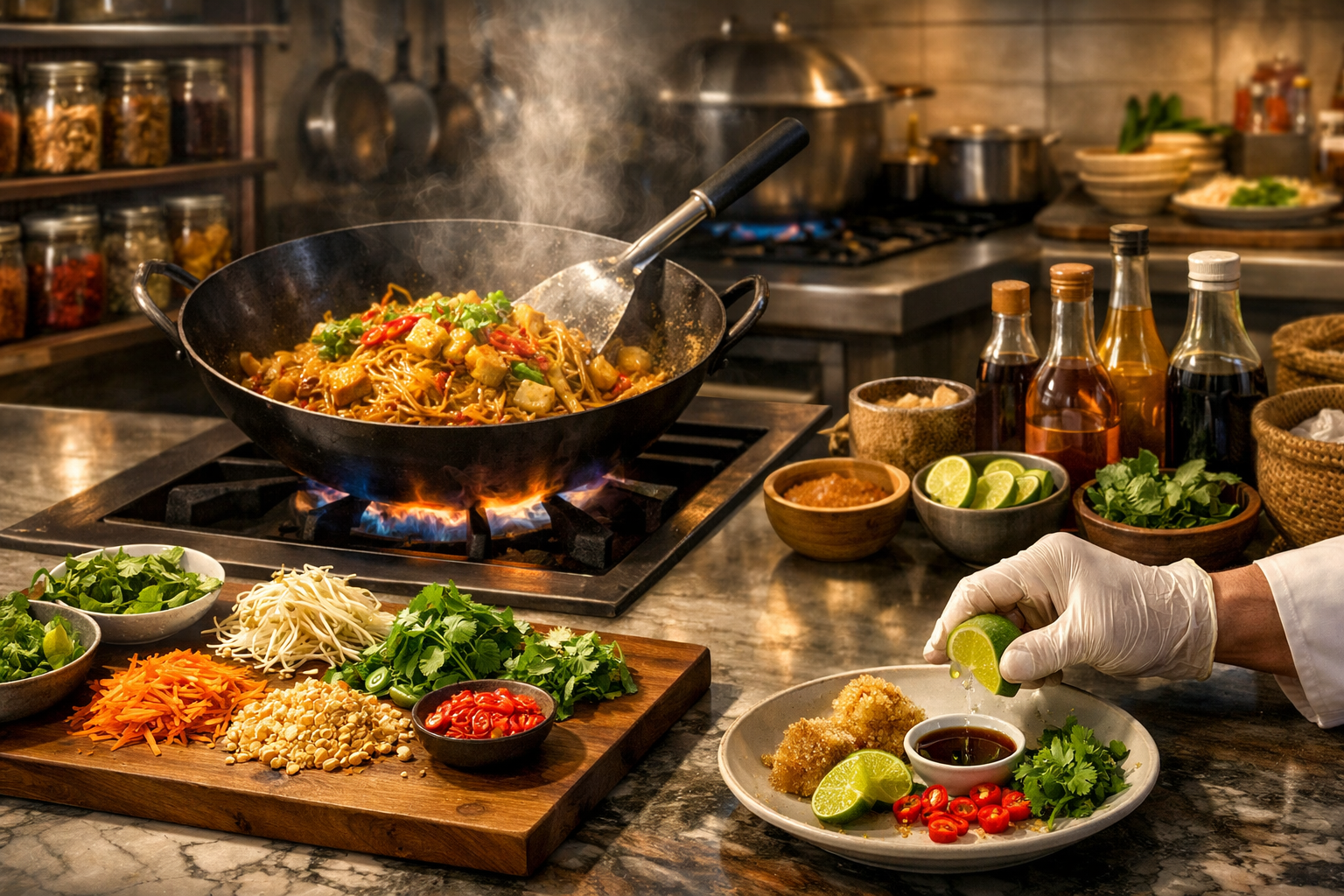
Ever Wondered What Makes Thai Food So Delicious? A Beginner's Guide to Understanding Thai Cuisine
Have you ever savored a plate of Pad Thai and wondered, "How do they do that?" Or perhaps you’re intimidated by the seemingly endless list of ingredients at your local Thai restaurant? You’re not alone! Thai cuisine is a vibrant, complex tapestry of flavors and techniques, and it can feel overwhelming to approach. This guide is here to demystify it, providing you with a foundational understanding of Thai food and how it’s constructed, so you can appreciate it even more – and maybe even try cooking some yourself!
The Five Fundamental Flavors: Balancing Act is Key
Thai food isn’t just about heat. While chilies certainly play a role, the true magic lies in the masterful balance of five fundamental flavors: sweet, sour, salty, bitter, and spicy. These aren't simply added individually; they interact and complement each other to create a harmonious whole. Understanding this balance is the first step to appreciating Thai cuisine.
- Sweet: Often comes from palm sugar, which has a distinctive caramel-like flavor. It's used to temper the sourness and spice.
- Sour: Lime juice, tamarind paste, vinegar, and other citrus fruits provide the essential tang that cuts through richness and adds complexity.
- Salty: Fish sauce (nam pla) is the cornerstone of Thai flavor. It’s salty, savory, and adds a deep umami richness. Soy sauce is also sometimes used.
- Bitter: This isn't always a prominent flavor, but it's often present in herbs like holy basil and certain vegetables. It adds depth and intrigue.
- Spicy: Chilies, of course! But the type and quantity of chilies vary greatly, influencing the overall heat level.
Regional Differences: A Culinary Map of Thailand
Thailand is a geographically diverse country, and its cuisine reflects that. While there’s a unifying thread of those five core flavors, regional specialties offer unique twists.
- Central Thai (Bangkok): This is often what people think of when they picture Thai food. It's known for its balance and elegance, often incorporating coconut milk and aromatic herbs. Dishes like Green Curry, Tom Yum soup, and Pad Thai originate from this region.
- Northern Thai (Lanna): Influenced by Burmese and Chinese cuisine, Northern Thai food tends to be milder and features more pork and fermented ingredients. Khao Soi, a creamy coconut curry noodle soup, is a signature dish.
- Northeastern Thai (Isan): Isan cuisine is characterized by its bold, spicy, and savory flavors. It's often grilled or fermented, with a focus on meat and sticky rice. Som Tum (papaya salad) is a quintessential Isan dish.
- Southern Thai: This region is heavily influenced by Malaysian and Indian cuisine. It’s known for its rich curries, seafood, and use of turmeric and coconut. Massaman Curry is a famous example.
Key Ingredients: Building Blocks of Thai Flavor
Let's explore some essential ingredients you'll frequently encounter in Thai cooking. Don’t feel you need to buy everything at once – start with a few basics and build your pantry over time.
- Fish Sauce (Nam Pla): As mentioned, this is the backbone of Thai flavor. Look for a good quality brand – it makes a huge difference.
- Palm Sugar: Adds a unique sweetness and caramel notes.
- Lime Juice: Fresh lime juice is always best.
- Galangal: Similar to ginger, but with a more citrusy, piney flavor. Often found frozen.
- Lemongrass: Adds a bright, lemony aroma and flavor.
- Kaffir Lime Leaves: Highly fragrant leaves that impart a distinctive citrusy aroma.
- Chilies: Thai chilies are incredibly potent. Start with a small amount and adjust to your spice preference.
- Coconut Milk: Provides richness and creaminess to many dishes.
- Thai Basil (Holy Basil): Has a more robust, peppery flavor than sweet basil.
- Tamarind Paste: Adds a sour and fruity flavor.
- Shrimp Paste (Kapi): A pungent fermented shrimp paste used in smaller quantities to add umami. (Handle with care – the smell can be strong!)
Common Cooking Techniques: Stir-Frying, Grilling, and Simmering
Thai cooking utilizes a variety of techniques, but some are more prevalent than others.
- Stir-Frying (Pad): This is arguably the most common technique. Ingredients are quickly cooked in a hot wok over high heat, preserving their crispness and flavor.
- Grilling (Yang): Meats, seafood, and vegetables are often grilled over charcoal, imparting a smoky flavor.
- Simmering (Tom/Gaeng): Soups (Tom) and curries (Gaeng) are typically simmered gently to allow the flavors to meld.
- Steaming: Used for some vegetables and fish, preserving their natural flavors and nutrients.
A Few Simple Dishes to Get You Started (No Cooking Required!)
While mastering Thai cooking takes time, you can still enjoy the flavors without stepping into the kitchen.
- Som Tum (Papaya Salad): Many Thai restaurants offer this customizable salad. Specify your spice level!
- Mango Sticky Rice: A classic dessert – sweet sticky rice served with ripe mango and coconut milk.
- Tom Yum Soup: A hot and sour soup, usually with shrimp, lemongrass, galangal, and chilies.
Summary: Your Thai Food Journey Begins Now!
Thai cuisine is a rewarding culinary adventure. Remember these key takeaways:
- Balance is Everything: Focus on the interplay of sweet, sour, salty, bitter, and spicy.
- Regional Variations: Explore the unique flavors of different Thai regions.
- Key Ingredients: Gradually build your pantry with essential Thai staples.
- Don't Be Afraid to Experiment: Thai food is all about adjusting flavors to your personal preference.
Your Thai Food Exploration Checklist:
- [ ] Identify your favorite Thai dish and try to understand its flavor profile.
- [ ] Research a specific Thai region and its culinary specialties.
- [ ] Purchase one new Thai ingredient to experiment with.
- [ ] Next time you order Thai food, ask your server about the ingredients and preparation methods.
Enjoy your exploration of the wonderful world of Thai food! Bon appétit (or as they say in Thailand, Aroi!)