Exploring the Vibrant World of Thai Food (16)
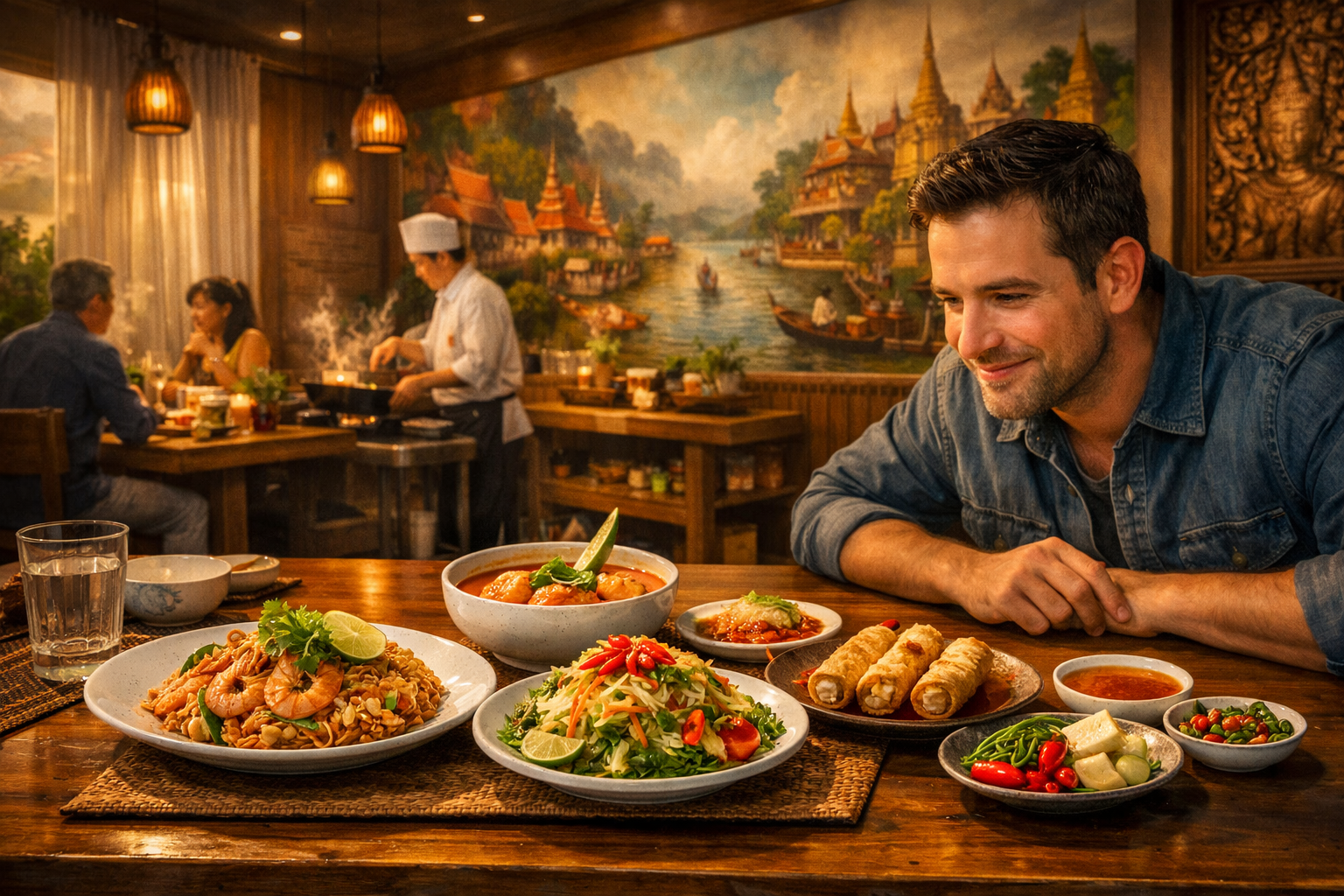
Ever walked past a Thai restaurant and been overwhelmed by the menu? Or maybe you’ve tried a dish and wished you understood why it tasted so incredible? Thai cuisine is a complex and beautiful tapestry of flavors, textures, and aromas, and it can feel a little daunting to navigate at first. This guide is designed to demystify Thai food, break down its core components, and help you appreciate – and even recreate – the magic of Thai cooking. We’ll cover the fundamental principles, common ingredients, and regional variations, all in a way that's approachable and fun.
Why is Thai Food So Different? Understanding the Five Fundamental Flavors
Thai cuisine isn't just about adding spice. It’s about achieving a delicate balance of five fundamental flavors: sweet, sour, salty, bitter, and spicy. The goal isn’t to simply bombard your palate with one sensation, but to create a harmonious blend where each flavor complements the others. This balance is what makes Thai food so addictive and satisfying.
- Sweetness: Often derived from palm sugar, pineapple, or coconut milk, sweetness rounds out the other flavors and adds depth.
- Sourness: Lime juice, tamarind, and vinegar are key players here, providing a bright, refreshing tang.
- Saltiness: Fish sauce (nam pla) is the backbone of Thai seasoning – it’s much more complex than regular salt and adds a savory umami flavor. Soy sauce is also used, particularly in Northern Thai dishes.
- Bitterness: Less common than the other flavors, bitterness can be found in certain herbs (like holy basil) or vegetables. It provides complexity and prevents the dish from becoming overly sweet or salty.
- Spiciness: Chilies are, of course, essential! But the type and quantity of chilies used vary widely depending on the dish and regional preference.
Key Ingredients: Building Blocks of Thai Flavor
Knowing the common ingredients is the first step to understanding Thai cuisine. Here’s a breakdown of some essentials:
- Galangal: A rhizome similar to ginger, but with a more citrusy, piney aroma. Don't substitute ginger directly – it won’t taste the same!
- Lemongrass: Adds a bright, lemony fragrance and flavor. Crush it gently to release its oils.
- Kaffir Lime Leaves: These fragrant leaves are used to infuse curries and soups with a unique citrusy aroma. They're often torn rather than cut to release their oils.
- Thai Basil (Holy Basil & Sweet Basil): Holy basil has a more peppery, clove-like flavor and is often used in stir-fries and curries. Sweet basil is milder and commonly used as a garnish.
- Chilies: From mild bird's eye chilies to fiery ghost peppers, the heat level varies greatly. Start small and add more to taste!
- Fish Sauce (Nam Pla): As mentioned before, this is a crucial ingredient. Don't be put off by the smell; it mellows out when cooked.
- Palm Sugar: Provides a caramel-like sweetness that's different from refined sugar.
- Coconut Milk: Adds richness and creaminess to many dishes, especially curries.
- Tamarind: A sour, fruity paste used to create tangy sauces and soups.
Regional Variations: A Culinary Map of Thailand
Thailand isn't a monolithic culinary landscape. Different regions boast distinct flavors and cooking styles:
- Central Thai: This is often what people think of when they picture “Thai food.” It’s characterized by a balance of sweet, sour, salty, and spicy flavors, with a heavy reliance on coconut milk and aromatic herbs. Green curry and Pad Thai are classic examples.
- Northern Thai (Lanna Cuisine): Influenced by Burmese and Chinese cuisine, Northern Thai food tends to be milder and less spicy than other regions. It features a lot of fermented ingredients, like pork sausage (sai oua) and sticky rice. Khao Soi, a creamy coconut curry noodle soup, is a must-try.
- Northeastern Thai (Isan Cuisine): This region is known for its bold, smoky flavors and generous use of chilies. Grilled meats, spicy salads (som tam), and fermented fish sauces are staples.
- Southern Thai: Heavily influenced by Malaysian and Indian cuisine, Southern Thai food is known for its richness and spiciness. Seafood is abundant, and curries are often intensely flavorful. Massaman curry, a creamy, mild curry with Muslim influences, originates from this region.
- Eastern Thai: Less well-known than other regions, Eastern Thai cuisine focuses on fresh seafood and lighter flavors. It's often subtly sweet and relies on ingredients like shrimp paste and coconut.
Getting Started: Simple Dishes to Try at Home
Feeling inspired to try your hand at Thai cooking? Here are a few relatively easy dishes to begin with:
- Pad Kra Pao (Thai Basil Stir-Fry): A quick and flavorful dish featuring ground meat (usually chicken or pork), chilies, garlic, and holy basil.
- Tom Yum Soup: A hot and sour soup with lemongrass, galangal, kaffir lime leaves, and chilies.
- Green Curry: A fragrant and creamy curry made with green chilies, coconut milk, and a blend of aromatic herbs. (Using a pre-made green curry paste can simplify this process.)
- Som Tam (Papaya Salad): A refreshing and spicy salad made with shredded green papaya, tomatoes, green beans, peanuts, and a tangy dressing.
Tips for Success:
- Don't be afraid to experiment! Thai cooking is all about adjusting flavors to your liking.
- Taste as you go. This is crucial to achieving the perfect balance of flavors.
- Fresh ingredients are key. While pre-made pastes can be convenient, using fresh herbs and spices will elevate your dishes.
- Start with small amounts of chilies. You can always add more, but you can’t take them away!
- Watch videos and read recipes carefully. Thai cooking techniques can be different from Western methods.
Summary & Checklist: Your Thai Food Journey Begins!
Thai food is a rewarding culinary adventure. By understanding the fundamental flavors, key ingredients, and regional variations, you can unlock a whole new world of deliciousness. Here's a quick checklist to guide you:
- [ ] Familiarize yourself with the five fundamental flavors: Sweet, sour, salty, bitter, and spicy.
- [ ] Identify key ingredients: Galangal, lemongrass, kaffir lime leaves, Thai basil, fish sauce, palm sugar, coconut milk, tamarind.
- [ ] Explore regional variations: Central, Northern, Northeastern, Southern, and Eastern Thai cuisine.
- [ ] Try a simple Thai recipe: Pad Kra Pao, Tom Yum Soup, Green Curry, or Som Tam.
- [ ] Don't be afraid to experiment and adjust flavors to your liking!
Now, go forth and explore the vibrant world of Thai food! Enjoy the journey – and the delicious results!