Thai Food So Delicious (24)
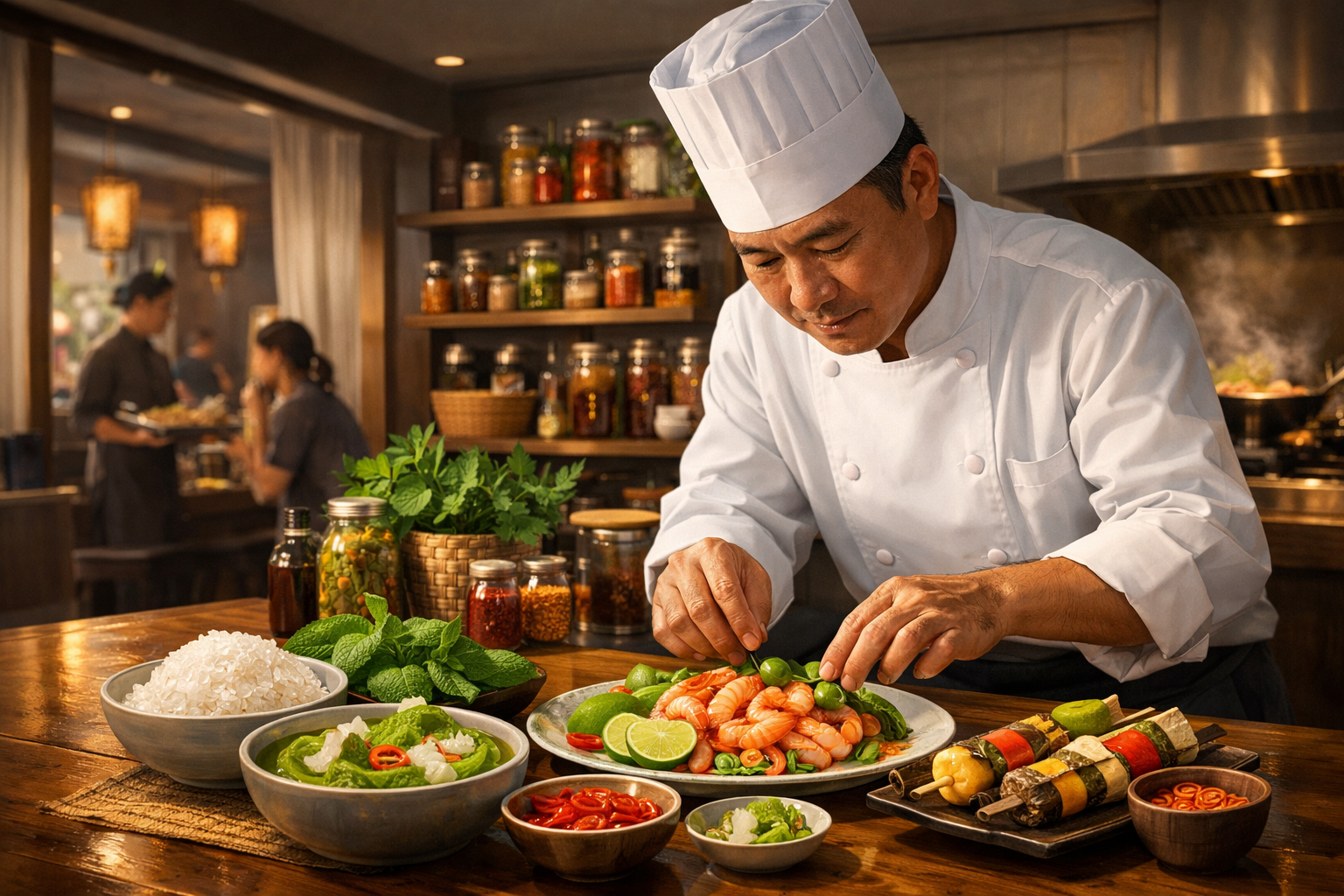
Ever Wondered What Makes Thai Food So Delicious? A Beginner’s Guide to Understanding Thai Cuisine
Have you ever savored a plate of Pad Thai and wondered, "What is it about Thai food that makes it so incredibly satisfying?" Or perhaps you're planning a Thai cooking adventure but feel a bit overwhelmed by unfamiliar ingredients and techniques? You're not alone! Thai cuisine is a vibrant tapestry of flavors, textures, and aromas, and while it can seem complex at first, understanding the basics opens up a world of delicious possibilities. This guide will break down the core elements of Thai food, helping you appreciate its complexity and even inspire you to try your hand at cooking it.
The Five Fundamental Flavors: The Balancing Act
Thai cuisine isn't just about throwing ingredients together. It’s about achieving a delicate balance of five fundamental flavors: sweet, sour, salty, bitter, and spicy. This isn’t just about taste; it's about harmony. A truly great Thai dish will have all five flavors playing together, creating a complex and satisfying experience.
- Sweet: Often derived from palm sugar, sweetness is used to temper the heat and balance the sour and salty notes. It's rarely overpowering, more like a gentle undertone.
- Sour: Lime juice, tamarind paste, and vinegar are common souring agents. They add brightness and a refreshing quality to the dishes.
- Salty: Fish sauce (nam pla) is the cornerstone of Thai seasoning. It provides a savory umami depth that’s essential to many dishes. Soy sauce is also used, but less frequently.
- Bitter: While not always prominent, bitter flavors come from herbs like holy basil and certain vegetables. They add complexity and prevent the dish from becoming one-dimensional.
- Spicy: Chilies are, of course, key. The level of spiciness varies greatly, from mild to fiery. It's important to understand that “Thai spicy” is often very spicy!
The skill of a Thai chef lies in knowing how to manipulate these flavors to create a cohesive and delicious whole.
Regional Variations: A Culinary Map of Thailand
Thailand is a diverse country, and its cuisine reflects that. While there are overarching principles, each region boasts its own unique specialties and flavor profiles. Understanding these regional differences can enhance your appreciation of Thai food.
- Central Thai: This is what most people think of as “typical” Thai food. It’s characterized by a balance of sweet, sour, salty, and spicy flavors, often featuring coconut milk and aromatic herbs. Popular dishes include Green Curry, Tom Yum soup, and Pad Thai.
- Northern Thai (Lanna Cuisine): Influenced by Burmese and Chinese cooking, Northern Thai food tends to be milder and less spicy than other regions. It often uses fermented ingredients like pork and soybeans. Khao Soi (a creamy coconut curry noodle soup) is a signature dish.
- Northeastern Thai (Isan Cuisine): Isan cuisine is known for its bold, spicy flavors and its reliance on grilled meats and sticky rice. Som Tum (papaya salad) is the most famous example, and it packs a serious punch!
- Southern Thai: Southern Thai food is heavily influenced by Malaysian and Indonesian cuisine, and it’s known for its use of turmeric, lemongrass, and chilies. Seafood is abundant, and curries are often richer and spicier than those found in Central Thailand.
Key Ingredients: Building Blocks of Flavor
Familiarizing yourself with common Thai ingredients is crucial to understanding the cuisine. Here are some essentials:
- Fish Sauce (Nam Pla): As mentioned earlier, this is a fundamental seasoning. It’s salty, umami-rich, and adds depth to almost every dish.
- Palm Sugar: A natural sweetener with a caramel-like flavor.
- Lime Juice: Adds brightness and acidity.
- Galangal: A rhizome similar to ginger but with a more citrusy and piney flavor.
- Lemongrass: A fragrant herb used to add a bright, citrusy aroma.
- Kaffir Lime Leaves: These leaves have a distinctive citrus fragrance and are often used in curries and soups.
- Chilies: Various types, ranging from mild to incredibly hot.
- Coconut Milk: Used extensively in curries and soups, adding richness and creaminess.
- Holy Basil (Kra Pao): A fragrant herb with a slightly spicy and anise-like flavor. Don't confuse it with sweet basil!
- Thai Basil: More common in Western grocery stores, it has a slightly more peppery flavor than holy basil.
- Tamarind Paste: A sour, fruity paste used to add a tangy flavor to dishes.
Cooking Techniques: Stir-Frying, Curries, and More
Thai cooking employs a variety of techniques, but some are more common than others.
- Stir-Frying (Pad): A quick cooking method using high heat and a wok. It’s used to prepare dishes like Pad Thai and Pad See Ew.
- Curry Making: Thai curries are typically made with a paste of spices, herbs, and chilies, which is then cooked with coconut milk and protein.
- Soup Making: Thai soups, like Tom Yum and Tom Kha, are characterized by their aromatic broths and balance of flavors.
- Grilling: Common in Isan cuisine, grilling meats and vegetables over charcoal imparts a smoky flavor.
Tips for Exploring Thai Food (and Cooking It!)
- Start with Mild Dishes: If you're not accustomed to spicy food, begin with milder dishes like Pad See Ew or Green Curry (requesting "mai pet" - not spicy - is perfectly acceptable).
- Don't Be Afraid to Experiment: Thai cuisine is all about balance. Feel free to adjust the flavors to your liking.
- Read Recipes Carefully: Thai recipes often call for specific ingredients and techniques. Pay attention to the details.
- Source Authentic Ingredients: While you can find many Thai ingredients at Asian grocery stores, the quality can vary. Look for reputable sources.
- Embrace the Complexity: Thai food is more than just a quick meal. It's a cultural experience. Take your time to savor the flavors and appreciate the artistry.
Summary: Your Thai Food Journey Starts Now!
Thai cuisine is a captivating world of flavors and aromas. By understanding the five fundamental flavors, the regional variations, and key ingredients, you’ve taken the first steps toward appreciating and even mastering this incredible culinary tradition. Don't be intimidated – embrace the adventure!
Checklist for Your Thai Food Exploration:
- [ ] Identify your preferred level of spiciness.
- [ ] Research a specific Thai region to learn about its unique cuisine.
- [ ] Locate an Asian grocery store in your area.
- [ ] Try cooking a simple Thai dish, like Pad Thai, at home.
- [ ] Most importantly: Enjoy the deliciousness!
We hope this guide has sparked your curiosity and inspired you to delve deeper into the wonderful world of Thai food. Bon appétit – or as they say in Thailand, Aroy mak mak! (Very delicious!)