Unlocking the Flavors of Thai Cuisine – A Beginner's Guide (19)
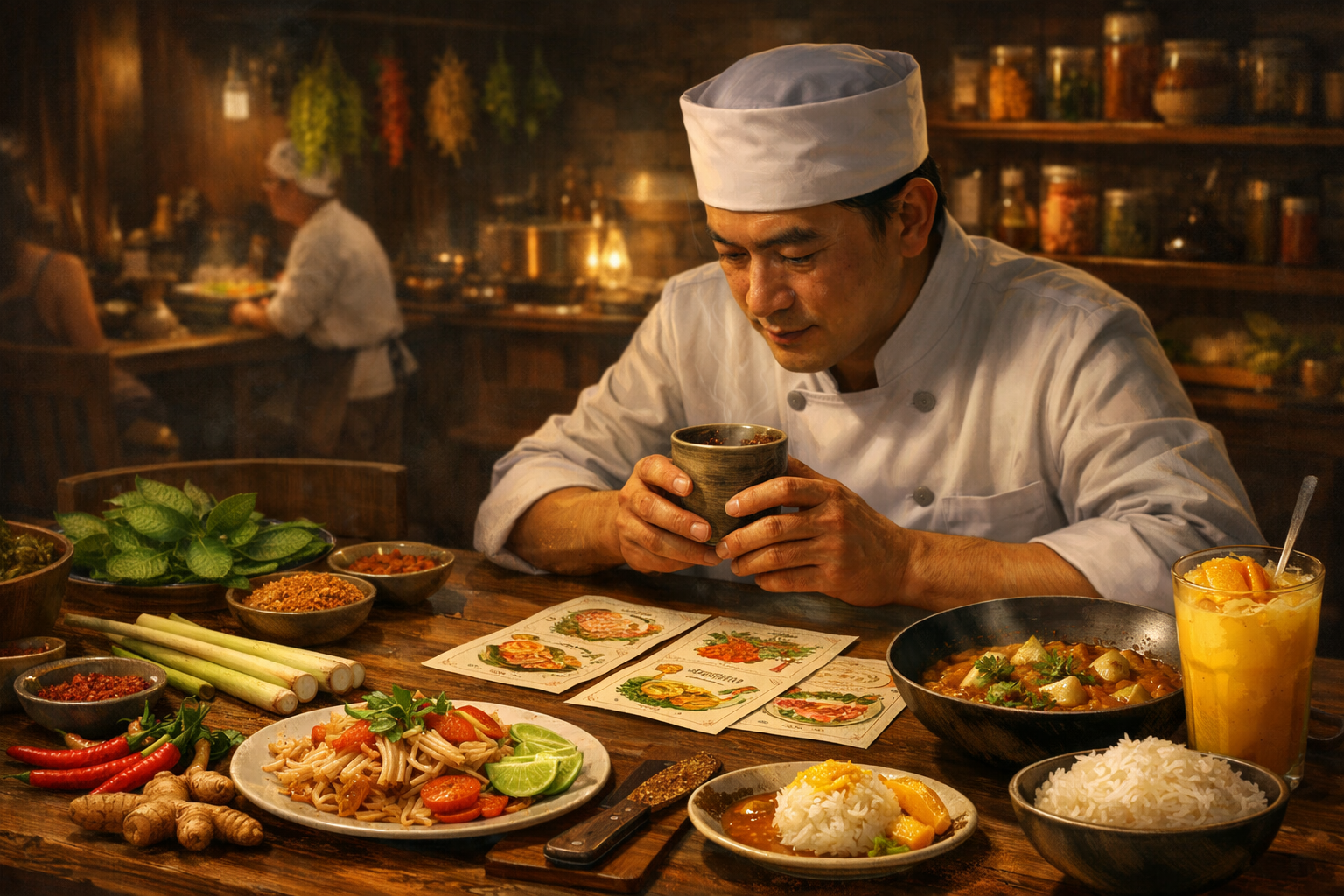
Ever walked into a Thai restaurant and felt overwhelmed by the menu? Or tried to recreate a dish at home and ended up with something… not quite right? Thai cuisine is renowned for its vibrant flavors, complex textures, and beautiful presentation, but it can seem intimidating to those unfamiliar with its nuances. This guide is here to demystify Thai food, offering a clear and approachable introduction to its key ingredients, cooking techniques, and regional variations. We’ll break it down into manageable steps, so you can confidently order at your favorite Thai restaurant or even start experimenting in your own kitchen.
Understanding the Core Principles: The Balance of Flavors
Thai food isn’t just about throwing a bunch of ingredients together. It's built on a philosophy of balancing five fundamental flavors: sweet, sour, salty, bitter, and spicy. Achieving this harmony is what elevates Thai cooking from simple sustenance to a truly satisfying culinary experience.
- Sweet: Typically comes from palm sugar, but sometimes from honey or fruit. It balances the heat and acidity.
- Sour: Often derived from lime juice, tamarind, or vinegar. It adds brightness and cuts through richness.
- Salty: Usually from fish sauce (nam pla), which is a cornerstone of Thai flavor. Don't be afraid of it – it's essential!
- Bitter: Found in ingredients like holy basil, some vegetables, and certain herbs. It adds complexity and depth.
- Spicy: Provided by fresh chilies, chili powder, or chili pastes. Spice levels can vary dramatically, so be mindful of your tolerance.
Key Ingredients: Building Blocks of Thai Flavor
Let's explore some essential ingredients you’ll frequently encounter in Thai cooking. Knowing these will help you understand menus and even start your own pantry staples.
- Fish Sauce (Nam Pla): This fermented fish sauce is the umami backbone of many Thai dishes. It's salty, pungent, and adds a depth of flavor you won’t find elsewhere. Start with a small amount – a little goes a long way!
- Palm Sugar: Made from the sap of palm trees, palm sugar has a caramel-like flavor that’s distinct from regular sugar. It’s often used to balance the sour and salty elements.
- Lime Juice: Freshly squeezed lime juice is crucial for adding acidity and brightness. Bottled lime juice often doesn't compare.
- Chilies: Thai chilies are significantly hotter than many other varieties. Start with milder chilies (like bird’s eye chilies) and adjust to your preference.
- Galangal: A rhizome similar to ginger, but with a more citrusy, pine-like aroma. It's essential in many curries and soups.
- Lemongrass: Adds a bright, lemony fragrance and flavor. Use the tender inner parts of the stalk.
- Kaffir Lime Leaves: These aromatic leaves have a unique citrusy scent and are often added to curries and soups.
- Thai Basil (Horapha): Distinct from Italian basil, Thai basil has a slightly anise-like flavor.
- Coconut Milk: Used extensively in curries, soups, and desserts, coconut milk adds richness and creaminess. Look for full-fat coconut milk for the best flavor.
Regional Variations: A Taste of Thailand's Diversity
Thailand’s cuisine isn’t monolithic. Different regions boast unique specialties and flavor profiles.
- Central Thai Cuisine: This is arguably the most well-known style, often featuring creamy coconut milk-based curries (like green curry and red curry), stir-fries, and rice dishes. It’s generally milder than other regional cuisines.
- Northern Thai Cuisine (Lanna): Influenced by Burmese and Chinese cuisine, Northern Thai food is known for its use of pork, fermented ingredients, and sticky rice. Khao Soi, a coconut curry noodle soup, is a signature dish.
- Northeastern Thai Cuisine (Isan): This cuisine is characterized by its bold, spicy flavors and grilled meats. Som Tum (papaya salad) is a quintessential Isan dish.
- Southern Thai Cuisine: Southern Thai food is the spiciest and most intensely flavored, thanks to the abundance of fresh chilies and seafood. It often incorporates turmeric and lemongrass.
Getting Started: Simple Thai Dishes to Try
Ready to put your newfound knowledge to the test? Here are a few easy dishes to start with:
- Pad Thai: The iconic Thai noodle dish. Numerous recipes are available online, and it's surprisingly straightforward to make at home.
- Green Curry (Gaeng Keow Wan): While a bit more involved, green curry is a rewarding dish to master. Start with a good quality green curry paste.
- Tom Yum Soup: This hot and sour soup is packed with flavor and relatively simple to prepare.
- Som Tum (Papaya Salad): A refreshing and spicy salad that’s perfect as a starter or side dish.
Tips for Ordering at a Thai Restaurant:
- Spice Level: Don't be afraid to ask for “mai pet” (not spicy) or specify your desired spice level. Thai restaurants often serve dishes much spicier than what many Western palates can handle.
- Explore the Menu: Venture beyond the familiar Pad Thai and try something new! Ask your server for recommendations.
- Don't Be Afraid to Experiment: Thai cuisine is all about balance. If a dish seems too sweet, ask for extra lime juice or chili flakes.
Common Mistakes to Avoid:
- Substituting Ingredients: While substitutions are sometimes necessary, try to stick to authentic ingredients as much as possible for the best flavor.
- Overcooking Vegetables: Thai cuisine often features vegetables that retain a slight crunch. Don’t overcook them.
- Ignoring the Aromatics: Galangal, lemongrass, and kaffir lime leaves are essential for authentic Thai flavor. Don't skip them!
Summary & Checklist: Your Thai Food Journey Begins!
Congratulations! You've taken the first steps towards understanding and appreciating the wonderful world of Thai cuisine. Here's a quick recap:
- Understand the Five Flavors: Sweet, sour, salty, bitter, and spicy – the foundation of Thai balance.
- Familiarize Yourself with Key Ingredients: Fish sauce, palm sugar, lime juice, galangal, lemongrass, and Thai basil.
- Explore Regional Variations: Central, Northern, Northeastern, and Southern Thai cuisines offer unique experiences.
- Start with Simple Recipes: Pad Thai, green curry, Tom Yum soup, and Som Tum are great entry points.
- Be Bold & Ask Questions: Don’t be afraid to experiment and ask your server for guidance.
Your Checklist for Thai Food Success:
☐ Research a Thai recipe online. ☐ Visit a Thai restaurant and try a dish outside your comfort zone. ☐ Add one new Thai ingredient to your pantry. ☐ Ask a Thai friend or restaurant server for their favorite dish. ☐ Most importantly: Enjoy the delicious journey!
Now go forth and explore the vibrant and flavorful world of Thai cuisine! Sawasdee! (Hello!)