Thai Food (26)
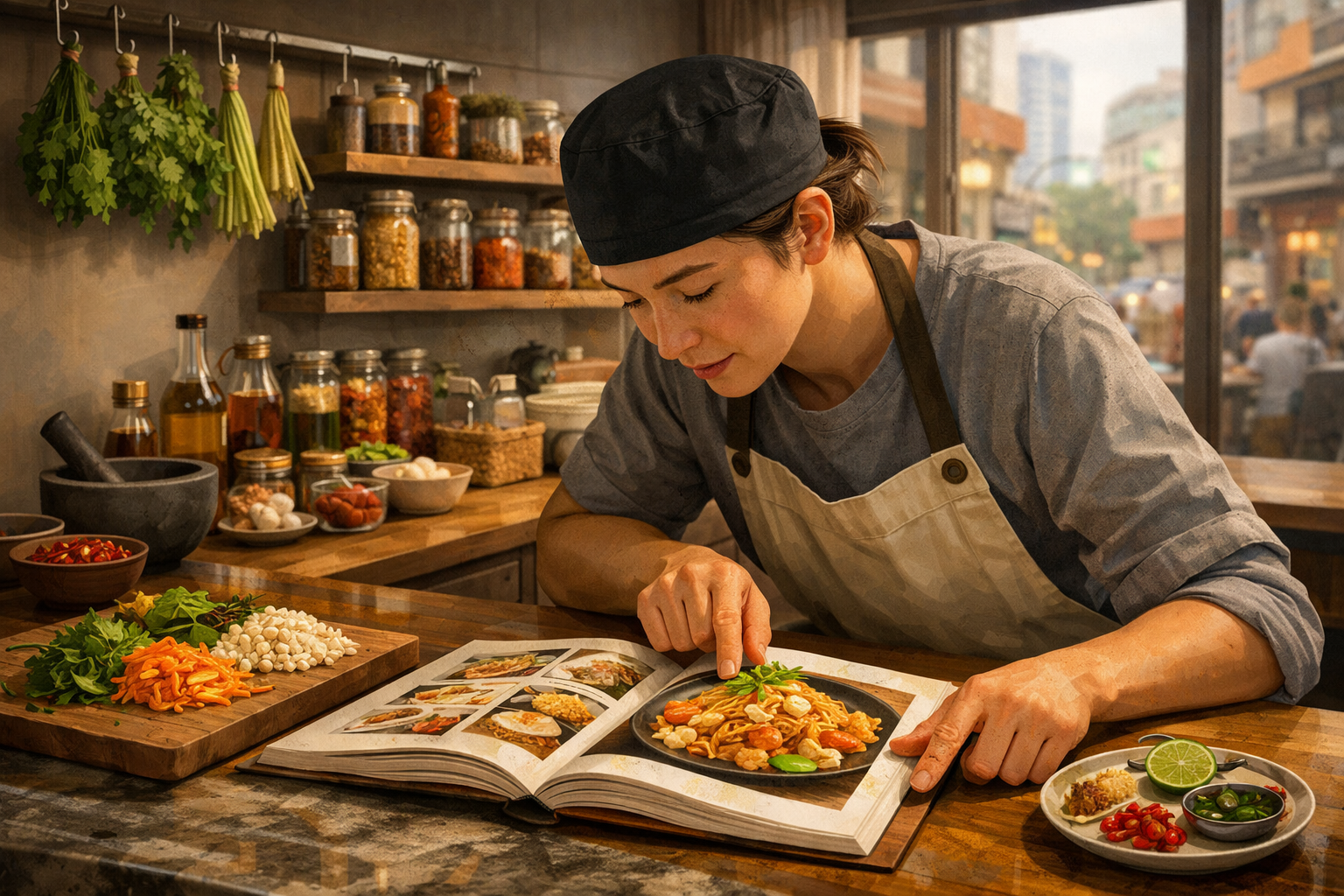
Ever Wondered What Makes Thai Food So Delicious? A Beginner’s Guide to Thai Cuisine
Have you ever savored a plate of Pad Thai and wondered, “What is it about Thai food that makes it so incredibly satisfying?” Or maybe you’re staring at a Thai menu, overwhelmed by unfamiliar names and ingredients, and feeling a little lost? You're not alone! Thai cuisine is a vibrant, complex, and utterly delicious world. This guide will demystify it for you, breaking down the core elements and helping you appreciate—and even cook—authentic Thai flavors.
Understanding the Foundations: The Five Basic Tastes
Thai food isn’t just about throwing random ingredients together. It’s a carefully orchestrated balance of five fundamental tastes: sweet, sour, salty, spicy, and bitter. A truly great Thai dish will showcase all five, working together in harmony. Mastering this balance is key to replicating that authentic Thai taste.
- Sweet: Often comes from palm sugar (not refined sugar!), which adds a rich, caramel-like sweetness.
- Sour: Lime juice, tamarind paste, and vinegar are the primary sources. They provide a refreshing tang.
- Salty: Fish sauce (nam pla) is the cornerstone of Thai flavor. It’s much more complex than table salt and adds a savory umami depth. Don’t be afraid of it – it’s essential!
- Spicy: Chili peppers, fresh and dried, are the heat source. The level of spice varies greatly by region and personal preference.
- Bitter: Often found in herbs like holy basil or vegetables like Thai eggplant. It adds a layer of complexity and prevents the dish from being overly one-dimensional.
Regional Variations: A Taste of Thailand’s Diversity
Thailand is a geographically diverse country, and its cuisine reflects that. Here’s a quick overview of some key regional differences:
- Central Thai: This is what most people think of when they picture Thai food. It’s characterized by creamy curries (like green curry and red curry), fragrant jasmine rice, and a balance of all five tastes. Coconut milk is frequently used.
- Northern Thai (Lanna Cuisine): Influenced by neighboring Myanmar and Laos, Northern Thai food tends to be milder and less spicy. It features slow-cooked stews, fermented ingredients (like fermented soybeans and pork), and herbs like lemongrass and galangal. Khao Soi, a creamy coconut curry noodle soup, is a Northern Thai specialty.
- Northeastern Thai (Isan Cuisine): Isan cuisine is known for its bold, fiery flavors and grilled meats. It’s often considered the spiciest region of Thailand. Fermented fish sauce (pla ra) is a common ingredient. Som Tam (papaya salad) is a signature dish.
- Southern Thai: Situated near Malaysia, Southern Thai cuisine incorporates Malaysian and Indian influences. It’s known for its use of turmeric, cumin, and cardamom. Seafood is abundant, and curries tend to be richer and spicier than those found in Central Thailand.
Essential Ingredients: Building Your Thai Pantry
While there are countless ingredients used in Thai cooking, here are some essentials to get you started:
- Fish Sauce (Nam Pla): The backbone of Thai flavor. Look for a good quality brand.
- Palm Sugar (Nam Tan Tanot): Adds a unique sweetness.
- Lime Juice: Freshly squeezed is always best.
- Chili Peppers: Fresh red chilies, dried chilies, and chili flakes.
- Galangal: Similar to ginger, but with a more citrusy and piney flavor.
- Lemongrass: Fragrant and refreshing.
- Kaffir Lime Leaves: Adds a distinctive citrus aroma.
- Coconut Milk: Full-fat coconut milk is preferred for curries.
- Thai Basil (Horapha): Has a slightly anise-like flavor.
- Rice Noodles: Used in Pad Thai and many other dishes.
- Jasmine Rice: The standard rice for Thai meals.
- Tamarind Paste: Adds a sour and fruity flavor.
Popular Thai Dishes: A Beginner’s Tasting Tour
Let's explore some iconic Thai dishes:
- Pad Thai: Arguably the most famous Thai dish, Pad Thai is a stir-fried rice noodle dish with shrimp, tofu, peanuts, egg, and a tangy sauce.
- Green Curry (Gaeng Keow Wan): A creamy and aromatic curry made with green chilies, coconut milk, bamboo shoots, Thai basil, and often chicken or beef.
- Red Curry (Gaeng Daeng): Similar to green curry, but made with red chilies, giving it a slightly different flavor profile.
- Tom Yum Soup: A hot and sour soup with lemongrass, galangal, kaffir lime leaves, chilies, and often shrimp or chicken.
- Som Tam (Papaya Salad): A spicy and refreshing salad made with shredded green papaya, tomatoes, green beans, peanuts, and a tangy dressing.
- Massaman Curry: A mild and flavorful curry with Indian influences, often made with beef or chicken, potatoes, peanuts, and warm spices.
Cooking Thai Food at Home: Tips for Success
Don’t be intimidated! While Thai cuisine can seem complex, it's surprisingly accessible to home cooks.
- Start Simple: Begin with easier dishes like Pad Thai or Tom Yum soup.
- Mise en Place: Thai cooking often involves a lot of chopping and prepping. Having all your ingredients ready before you start is crucial.
- Taste as You Go: Thai cooking is all about balancing flavors. Taste frequently and adjust seasonings as needed.
- Don’t Be Afraid to Experiment: Feel free to adjust the spice level and other flavors to your liking.
- Source Authentic Ingredients: While substitutions can be made, using authentic ingredients will result in a more authentic flavor.
Beyond the Plate: The Cultural Significance of Thai Food
Thai food isn’t just about delicious flavors; it’s deeply intertwined with Thai culture. Meals are often shared family-style, and food plays a central role in festivals and celebrations. The emphasis on balance and harmony reflects Buddhist principles. Understanding this cultural context enhances the appreciation of Thai cuisine.
Summary & Checklist: Your Thai Food Journey Begins!
Congratulations! You’ve taken the first steps toward understanding the wonderful world of Thai cuisine. Here's a quick recap and checklist to guide your exploration:
- Understand the Five Tastes: Sweet, Sour, Salty, Spicy, Bitter – strive for balance!
- Explore Regional Variations: Central, Northern, Northeastern, and Southern Thai cuisines offer unique flavors.
- Stock Your Pantry: Fish sauce, palm sugar, lime juice, chili peppers, galangal, lemongrass, coconut milk, and Thai basil are essential.
- Start with Simple Recipes: Pad Thai, Tom Yum soup, and Green Curry are great starting points.
- Taste and Adjust: Don’t be afraid to experiment with flavors.
- Enjoy the Experience: Savor the aromas, textures, and tastes of Thai food!
Ready to dive deeper? Try making your own Pad Thai this week! There are countless recipes online – find one that looks appealing and give it a try. Bon appétit! (or as they say in Thailand, Kin khao reo!)
TITLE: Artikel 26 BODY: