Unlocking the Flavors of Thai Cuisine (22)
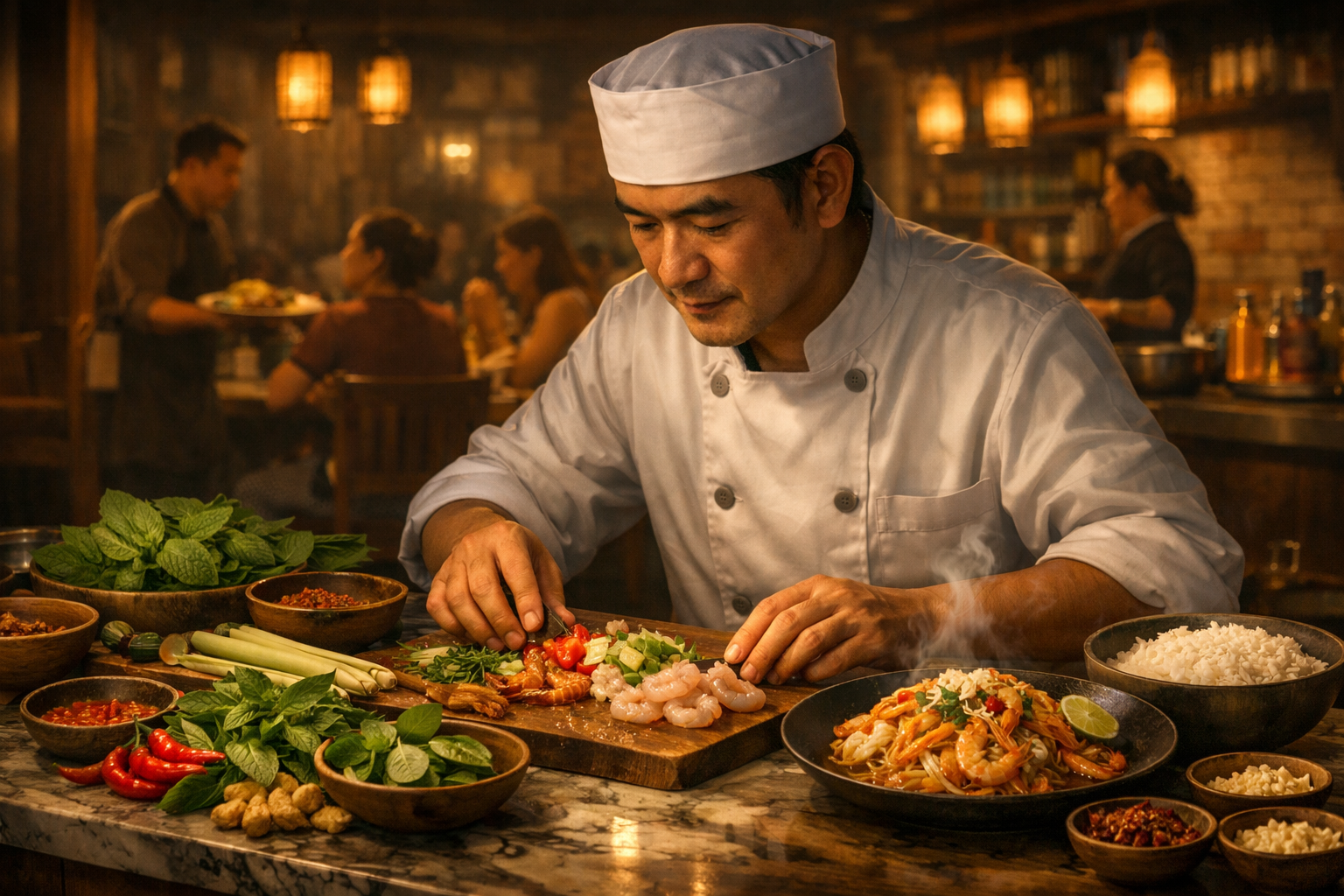
Ever walked into a Thai restaurant and felt overwhelmed by the menu? Or maybe you've tried making Pad Thai at home and it just didn't quite taste like it should? Thai cuisine is wonderfully complex, a beautiful dance of sweet, sour, salty, spicy, and umami. It’s more than just heat; it’s a carefully balanced symphony of flavors. This guide will demystify Thai food, helping you understand its core principles, navigate menus with confidence, and even start experimenting in your own kitchen. Let's dive in!
Understanding the Foundations: The Five Pillars of Thai Flavor
Thai cooking isn't about randomly throwing ingredients together. It’s built on a philosophy of balance, and that balance is achieved through five key flavors:
- Sweet: Usually derived from palm sugar, sometimes from fruit. It's not cloyingly sweet, but rather a subtle undertone that balances the other flavors.
- Sour: Lime juice, tamarind paste, vinegar, and sometimes unripe fruits contribute to the signature tang.
- Salty: Fish sauce (nam pla) is the king of Thai salty flavor. It's far more complex than regular salt, adding a savory depth. Soy sauce is also used, but less frequently.
- Spicy: Chilies, of course! But the heat isn’t just about intensity; different types of chilies offer varying levels of fruitiness and complexity.
- Umami: This savory "fifth taste" comes from ingredients like fish sauce, shrimp paste (kapi), and fermented bean sauces. It adds richness and depth.
Mastering the interplay of these five flavors is the key to understanding and appreciating Thai cuisine.
Navigating the Thai Restaurant Menu: Deciphering the Dishes
Thai restaurant menus can be daunting. Here’s a breakdown of common dish categories and what to expect:
- Soups: Tom Yum (hot and sour soup with shrimp or chicken) is a must-try. Tom Kha Gai (coconut milk soup with chicken) offers a creamier, milder option. Don't be afraid to ask about spice levels; "Thai spicy" is very spicy!
- Salads: Thai salads, like Som Tum (green papaya salad) and Yam Pla Duk Foo (crispy catfish salad), are known for their vibrant flavors and textures. They often combine sweet, sour, salty, and spicy elements.
- Curries: Red, green, yellow, and Massaman curries are all variations on a theme, each with distinct flavor profiles. Red curry is generally the spiciest, green curry is fragrant and creamy, yellow curry is milder and often features potatoes, and Massaman curry is influenced by Persian cuisine and has a rich, slightly sweet flavor. Specify your protein preference (chicken, pork, beef, tofu, shrimp).
- Stir-Fries: Pad Thai (stir-fried rice noodles), Pad See Ew (stir-fried wide rice noodles), and Pad Kra Pao (stir-fried holy basil) are popular choices. Pad Kra Pao is often quite spicy.
- Rice & Noodles: Jasmine rice is the staple. Sticky rice, often served with mango sticky rice (a dessert), is another option. Noodle dishes can be dry (like Pad Thai) or served in soup.
- Grilled & Roasted: Grilled meats and seafood are common, often marinated in flavorful sauces.
Pro Tip: Don't be afraid to ask your server for recommendations! They can guide you based on your spice preference and dietary restrictions.
Essential Thai Ingredients to Know
Understanding these key ingredients will not only help you order more confidently but also give you a better appreciation for the complexity of Thai flavors:
- Fish Sauce (Nam Pla): The cornerstone of Thai savory flavor. Don’t be put off by the smell – it mellows out when cooked.
- Palm Sugar: Adds a subtle sweetness and caramel-like depth.
- Lime Juice: Provides the essential sour tang.
- Galangal: A rhizome similar to ginger but with a more citrusy, piney flavor.
- Lemongrass: Fragrant and aromatic, adding a bright, citrusy note.
- Kaffir Lime Leaves: Highly fragrant leaves used to infuse flavor into curries and soups.
- Thai Chilies: Come in various forms (bird’s eye, spur, etc.), each with different heat levels.
- Holy Basil (Kra Pao): A distinctive basil with a peppery, anise-like flavor.
- Shrimp Paste (Kapi): A fermented condiment with a pungent aroma and a deep umami flavor. (Use sparingly!)
- Tamarind Paste: Adds a sour, fruity flavor, often used in Pad Thai and other sauces.
Getting Started in the Kitchen: Simple Thai Cooking Tips
Want to try making Thai food at home? Here are a few tips to get you started:
- Source Authentic Ingredients: While you can find some ingredients at regular supermarkets, Asian grocery stores will offer a wider selection and better quality.
- Don't Be Afraid of Fish Sauce: It's essential for that authentic Thai flavor. Start with a little and add more to taste.
- Balance the Flavors: Taste as you go! Adjust the sweet, sour, salty, and spicy elements to your liking.
- Prep Your Ingredients: Thai cooking is often fast-paced, so having all your ingredients chopped and measured beforehand (mise en place) is crucial.
- Start Simple: Pad Thai is a good starting point, but there are plenty of other easy recipes online. Look for recipes that clearly explain the flavor profiles and techniques.
- Embrace the Heat: If you're spice-averse, start with a small amount of chili and add more gradually.
Beyond the Basics: Regional Variations
Thai cuisine isn’t monolithic. Different regions boast distinct specialties:
- Central Thai: This is the style most commonly found outside of Thailand, characterized by balance and elegance.
- Northern Thai (Lanna): Influenced by Burmese and Chinese cuisine, featuring milder flavors and the use of fermented ingredients. Khao Soi (curried noodle soup) is a signature dish.
- Northeastern Thai (Isan): Known for its bold, spicy flavors and the use of grilled meats and sticky rice.
- Southern Thai: Heavily influenced by Malaysian and Indian cuisine, featuring rich curries and the use of coconut milk and seafood.
Summary & Your Thai Food Journey Checklist
Thai cuisine is a vibrant and rewarding culinary experience. Here's a quick recap and a checklist to guide you:
- Understand the Five Pillars: Sweet, Sour, Salty, Spicy, Umami.
- Explore the Menu: Don't be afraid to ask questions and try new things.
- Learn Key Ingredients: Fish sauce, palm sugar, galangal, lemongrass, etc.
- Start Cooking: Begin with simple recipes and gradually build your skills.
- Embrace Regional Differences: Discover the unique flavors of each region.
Your Checklist:
[ ] Research a specific Thai dish you want to try (either at a restaurant or at home). [ ] Identify an Asian grocery store near you. [ ] Try a new Thai ingredient. [ ] Ask your server for a recommendation next time you're at a Thai restaurant.
Now go forth and explore the delicious world of Thai food! Enjoy!