Unlocking the Flavors of Thailand: A Beginner's Guide to Thai Food (8)
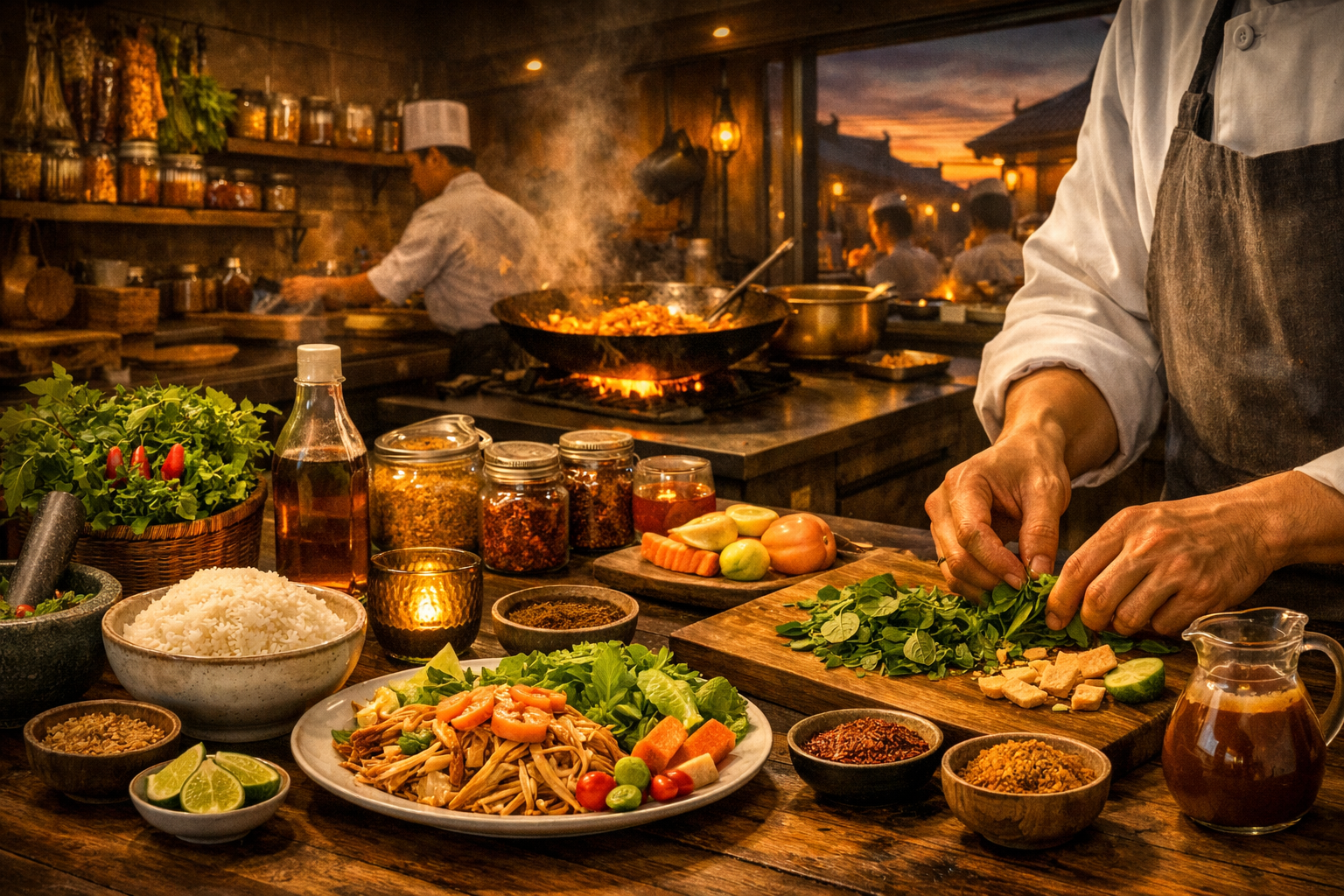
Ever walked into a Thai restaurant and felt overwhelmed by the menu? Or perhaps you've tried making a Thai dish at home and it just didn't quite taste right? You’re not alone! Thai cuisine is incredibly diverse and nuanced, with a fascinating interplay of sweet, sour, salty, spicy, and umami. This guide is designed to demystify Thai food, helping you understand its core principles, navigate menus with confidence, and even start experimenting in your own kitchen.
Understanding the Foundations: The Five Fundamental Flavors
Thai food isn’t just about adding chili. It’s about achieving a beautiful balance of five key flavors:
- Sweet: Usually derived from palm sugar, but sometimes from fruit. It mellows the spice and adds depth.
- Sour: Lime juice, tamarind paste, vinegar, and even unripe fruits contribute to the characteristic tang.
- Salty: Fish sauce (nam pla) is the cornerstone of Thai flavor, adding a savory umami depth that's essential. Soy sauce is also used, but less frequently.
- Spicy: Chilies, of course! The heat level varies greatly depending on the dish and region.
- Umami: This "savory" taste comes from ingredients like fish sauce, shrimp paste, and fermented bean sauces.
Mastering the balance of these five flavors is key to authentic Thai cooking. Don’t be afraid of fish sauce – it’s not as overpowering as it sounds and is crucial for that signature Thai taste.
Navigating the Thai Restaurant Menu: Deciphering the Dishes
Thai menus can seem like a foreign language. Here's a breakdown of common dish categories and what to expect:
- Curries (Gaeng): These are arguably the most well-known Thai dishes. They're simmered in coconut milk and feature a range of proteins (chicken, beef, pork, tofu, shrimp) and vegetables.
- Green Curry (Gaeng Keow Wan): The spiciest, made with green chilies and often basil.
- Red Curry (Gaeng Daeng): Less spicy than green curry, using red chilies.
- Yellow Curry (Gaeng Garee): Mildest and often influenced by Indian cuisine, using turmeric.
- Massaman Curry (Gaeng Massaman): A rich, creamy curry with Muslim influences, featuring potatoes and peanuts.
- Stir-Fries (Pad): These are quick-cooked in a wok and are generally lighter than curries.
- Pad Thai: The iconic noodle dish, stir-fried with tofu, shrimp, peanuts, and a sweet-sour-salty sauce.
- Pad See Ew: Wide rice noodles stir-fried with soy sauce, Chinese broccoli, and your choice of protein.
- Pad Kra Pao: Holy basil stir-fry, typically with minced pork or chicken, chilies, garlic, and fish sauce. It's spicy!
- Soups (Tom): Thai soups are often aromatic and flavorful.
- Tom Yum: Hot and sour soup with lemongrass, galangal, kaffir lime leaves, chilies, and mushrooms.
- Tom Kha Gai: Coconut milk soup with chicken, galangal, lemongrass, and mushrooms – creamy and fragrant.
- Salads (Yam): These are refreshing and often spicy, featuring a mix of flavors and textures.
- Som Tum (Papaya Salad): A vibrant salad made with shredded green papaya, tomatoes, green beans, peanuts, chilies, lime juice, and fish sauce. Be prepared for the heat!
- Rice Dishes (Khao): Steamed jasmine rice is the standard accompaniment to most Thai meals. Sticky rice (Khao Niao) is often served with grilled meats and desserts.
Understanding Spice Levels: Asking the Right Questions
Thai food is known for its spice, but you can control the heat! Here's how:
- "Phet" (Spicy): This is the Thai word for spicy.
- "Mai Phet" (Not Spicy): The most important phrase to know!
- Levels of Spice: Restaurants often use a scale (e.g., 1-5 or 1-10), but it’s subjective. A "1" might still have a kick for some.
- Don’t Be Afraid to Ask: Be specific! Instead of just saying "not spicy," try "mai phet nit noi" (not spicy at all).
- Cooling Options: Rice, noodles, and coconut milk can help cool down your palate if a dish is too spicy.
Essential Thai Ingredients to Know
While you don't need to stock your pantry with everything immediately, these are some key ingredients that will elevate your Thai cooking:
- Fish Sauce (Nam Pla): As mentioned, essential for that savory umami flavor.
- Palm Sugar: Adds a unique sweetness compared to regular sugar.
- Lime Juice: Freshly squeezed is best.
- Chilies: Bird’s eye chilies are common, but adjust to your spice preference.
- Galangal: A rhizome similar to ginger, but with a more citrusy and piney flavor.
- Lemongrass: A fragrant herb used in soups and curries.
- Kaffir Lime Leaves: Adds a distinctive citrus aroma.
- Thai Basil (Horapha): Different from Italian basil, with a more anise-like flavor.
- Coconut Milk: Full-fat coconut milk is typically used for richer curries.
- Tamarind Paste: Adds a sour and fruity flavor.
Getting Started in the Kitchen: Simple Thai Recipes
Ready to try cooking at home? Start with these beginner-friendly recipes:
- Quick Pad See Ew: Many recipes online simplify this classic.
- Easy Green Curry: Use a pre-made green curry paste to save time.
- Simple Tom Yum Soup: A great way to learn about Thai aromatics.
- Mango Sticky Rice (Khao Niao Mamuang): A delicious and relatively easy dessert.
Don't be intimidated! There are countless resources online with step-by-step instructions and videos.
Beyond the Basics: Exploring Regional Variations
Thai cuisine isn't monolithic. Different regions have distinct specialties:
- Central Thai: Known for its balance of flavors and creamy coconut milk curries.
- Northern Thai (Lanna): Influenced by Burmese and Chinese cuisine, featuring dishes like Khao Soi (curried noodle soup).
- Northeastern Thai (Isan): Characterized by its spicy and sour flavors, often featuring grilled meats and sticky rice.
- Southern Thai: Heavily influenced by Malaysian cuisine, using turmeric, coconut milk, and seafood.
Summary & Checklist: Your Thai Food Journey
Thai food is a vibrant and rewarding culinary experience. Here's a quick recap and checklist to help you on your journey:
- Understand the Five Flavors: Sweet, sour, salty, spicy, umami.
- Decipher the Menu: Familiarize yourself with common dish categories.
- Control the Spice: Don’t be afraid to ask for “mai phet.”
- Stock Your Pantry: Start with fish sauce, palm sugar, and lime juice.
- Start Simple: Try easy recipes like Pad See Ew or Green Curry.
- Explore Regional Variations: Branch out and discover new flavors.
Now, go forth and enjoy the delicious world of Thai food! Aroy mak! (Very delicious!)