Unlocking the Flavors of Thai Cuisine – A Beginner's Guide (21)
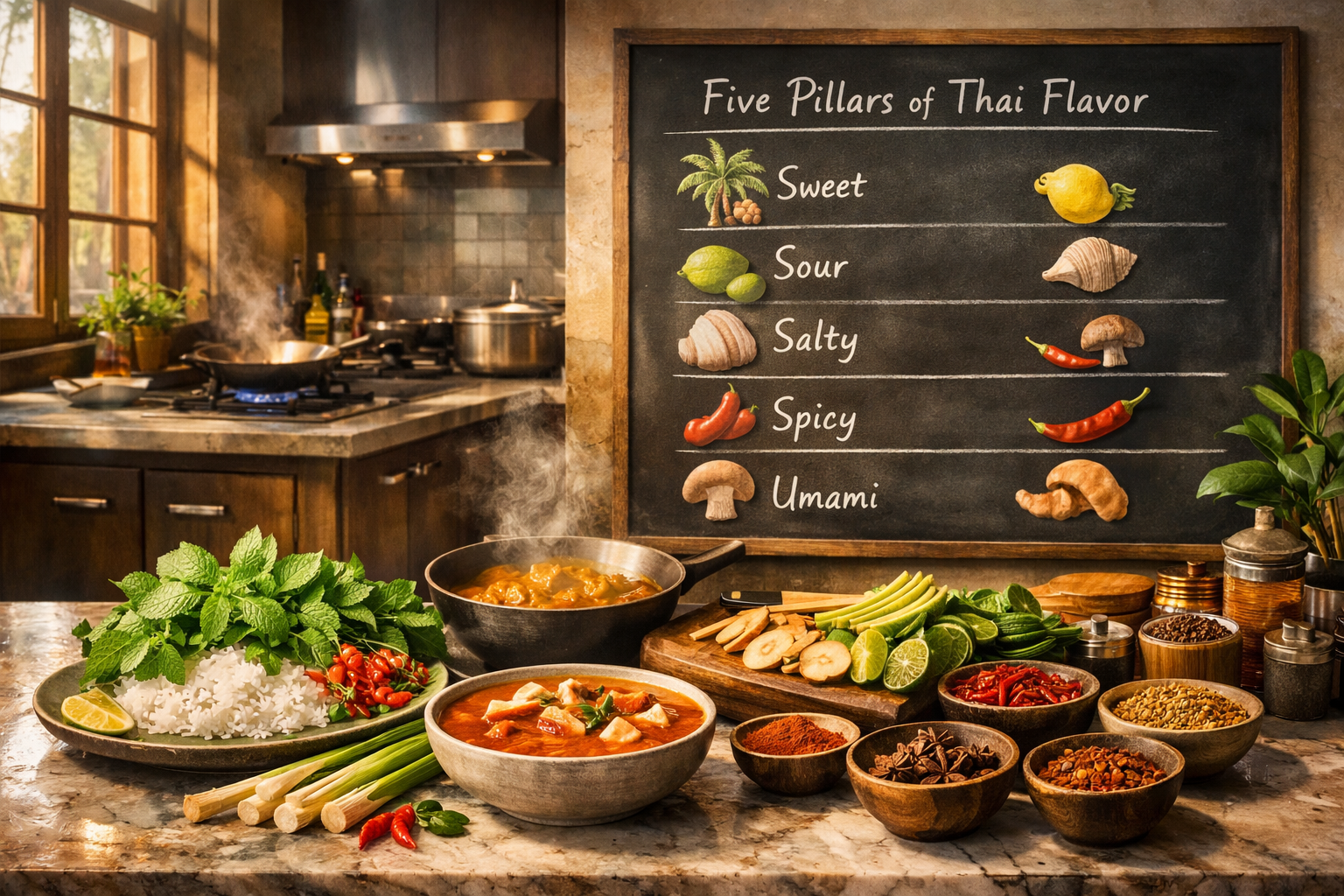
Ever walked into a Thai restaurant and felt overwhelmed by the menu? Or perhaps you’ve attempted a Thai recipe at home and it just didn’t quite taste right? You’re not alone! Thai cuisine is incredibly diverse and layered, built on a delicate balance of sweet, sour, salty, spicy, and umami. It’s a culinary adventure, and this guide is here to help you navigate it, whether you’re a complete novice or just want to deepen your appreciation. Let’s break down the essentials, step-by-step.
Understanding the Core Principles: The Five Pillars of Thai Flavor
Thai food isn't just about throwing a bunch of ingredients together. It's about harmony. That harmony is achieved through the masterful interplay of five fundamental tastes:
- Sweet (ความหวาน - Khwam Wan): Often comes from palm sugar, but also from fruits like pineapple and mango. It balances the spice and acidity.
- Sour (ความเปรี้ยว - Khwam Priaew): Typically from lime juice, tamarind, or vinegar. It adds brightness and cuts through richness.
- Salty (ความเค็ม - Khwam Khem): Usually from fish sauce (nam pla), a cornerstone of Thai cooking. It provides depth and enhances other flavors. Don’t be afraid of it – a little goes a long way!
- Spicy (ความเผ็ด - Khwam Phet): From fresh chilies, dried chilies, chili paste, and chili powder. The level of spice varies greatly by dish and region.
- Umami (ความอูมามิ - Khwam U-Ma-Mi): The savory, “meaty” taste often derived from ingredients like fish sauce, shrimp paste (kapi), and fermented bean curd.
Think of these five tastes as musical notes – individually they're interesting, but together they create a symphony.
Regional Variations: A Taste of Thailand's Diversity
Thailand isn’t a monolith. Its cuisine varies significantly by region, each with its own unique ingredients and cooking styles. Here's a quick overview:
- Central Thai: (Bangkok and surrounding areas) This is often what people think of as "typical" Thai food. It's known for its creamy curries (like green curry and red curry), often featuring coconut milk, and a balance of all five flavors. Dishes like Pad Thai and Tom Yum soup originate here.
- Northern Thai: (Chiang Mai and Chiang Rai) Influenced by neighboring Myanmar and Laos, Northern Thai food tends to be milder and less spicy. It uses a lot of herbs like lemongrass, galangal, and kaffir lime leaves. Khao Soi, a coconut curry noodle soup, is a signature dish.
- Northeastern Thai (Isan): (Khon Kaen, Udon Thani) This region is known for its bold, spicy flavors and grilled meats. Sticky rice is a staple. Som Tum (papaya salad) is a quintessential Isan dish.
- Southern Thai: (Phuket, Krabi) Influenced by Malaysia and Indonesia, Southern Thai food uses a lot of seafood and turmeric, giving many dishes a vibrant yellow color. It tends to be the spiciest region.
Essential Ingredients You Need to Know
Building a Thai pantry doesn’t require a huge investment. Here are some key ingredients to get you started:
- Fish Sauce (Nam Pla): This is the essential ingredient. Look for a good quality brand – it should smell pungent but not overly fishy.
- Palm Sugar: Provides a unique sweetness that’s different from refined sugar.
- Lime Juice: Freshly squeezed is always best!
- Chilies: Fresh red chilies are a must. Dried chilies and chili powders are also useful for different levels of heat.
- Galangal: A ginger-like rhizome with a citrusy, piney flavor. Often found frozen in Asian markets.
- Lemongrass: Adds a bright, lemony aroma and flavor.
- Kaffir Lime Leaves: These leaves have an intensely aromatic citrus scent.
- Coconut Milk: Full-fat coconut milk is preferred for richer curries.
- Thai Basil: Different from Italian basil, Thai basil has a slightly anise-like flavor.
- Rice Noodles: Used in dishes like Pad Thai and many soups.
- Sticky Rice: A glutinous rice, a staple in Northern and Northeastern Thailand.
Decoding the Menu: Common Thai Dishes Explained
Let’s demystify some popular Thai dishes:
- Pad Thai: Stir-fried rice noodles with tofu, shrimp, peanuts, bean sprouts, and a tangy tamarind sauce.
- Green Curry (Gaeng Keow Wan): A creamy coconut curry with green chilies, Thai basil, and often chicken, beef, or tofu.
- Red Curry (Gaeng Daeng): Similar to green curry but uses red chilies for a slightly different flavor profile.
- Tom Yum Soup: A hot and sour soup with lemongrass, galangal, kaffir lime leaves, chilies, and often shrimp or chicken.
- Som Tum (Papaya Salad): A spicy and refreshing salad made with shredded green papaya, tomatoes, green beans, peanuts, and a tangy lime dressing.
- Massaman Curry (Gaeng Massaman): A milder, sweeter curry influenced by Persian cuisine, often containing potatoes, peanuts, and beef or chicken.
Tips for Cooking Thai Food at Home
- Taste as you go: Thai cooking is all about balancing flavors. Taste frequently and adjust the ingredients accordingly. Don’t be afraid to add more fish sauce, lime juice, or sugar until you achieve the desired taste.
- Don't be intimidated by the spice: Start with a small amount of chili and add more to your liking.
- Fresh ingredients are key: Whenever possible, use fresh herbs and spices.
- Prep your ingredients: Thai cooking is often fast-paced. Having all your ingredients chopped and measured beforehand ( mise en place ) will make the cooking process much smoother.
- Embrace the mess: Thai cooking can be a little messy, but that’s part of the fun!
Your Thai Culinary Journey Starts Now!
Thai cuisine is a world of flavor waiting to be explored. Don't be afraid to experiment and find what you enjoy. Start with a simple dish like Pad Thai, and gradually expand your repertoire. Remember, there's no "right" or "wrong" way to cook Thai food – it's all about creating a delicious and balanced meal that you love.
Quick Checklist:
- [ ] Identify your preferred level of spice.
- [ ] Stock your pantry with essential ingredients (fish sauce, palm sugar, lime juice).
- [ ] Choose a simple Thai recipe to try.
- [ ] Taste and adjust the flavors as you cook.
- [ ] Enjoy the delicious results!
Ready to dive deeper? Search online for authentic Thai recipes, explore different regional variations, and don't be afraid to ask questions! Happy cooking!