A Beginner's Guide to Understanding and Enjoying Thai Food (17)
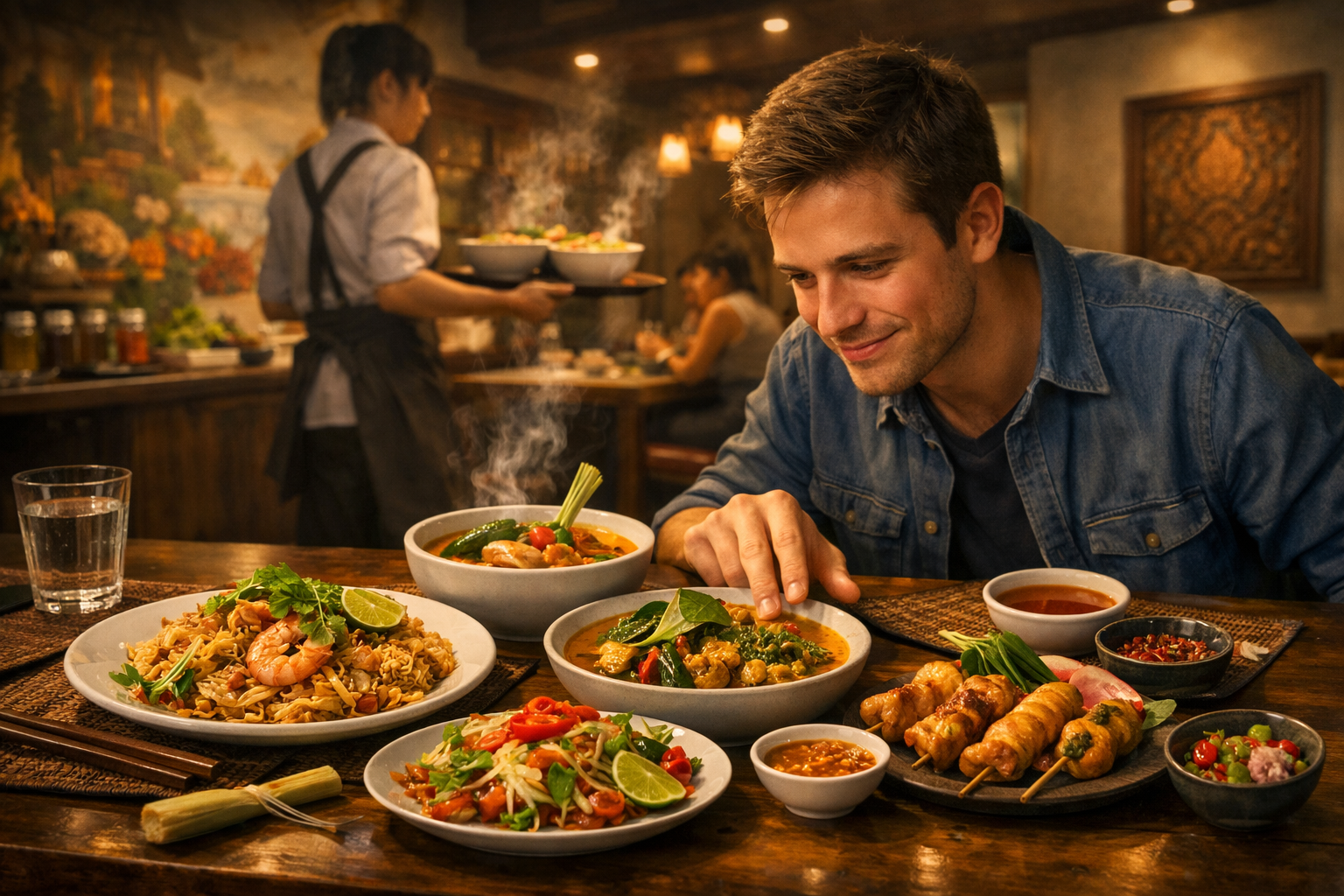
Ever walked into a Thai restaurant and felt completely overwhelmed by the menu? Or maybe you’ve tried a dish and loved it, but have no idea what made it taste so good? Thai food is a vibrant, complex, and incredibly delicious cuisine, but it can be intimidating for newcomers. This guide is here to demystify Thai food, helping you navigate menus, understand flavor profiles, and ultimately, enjoy the incredible diversity it offers. We'll break down the basics, explore common ingredients, and give you the confidence to order like a pro.
Why is Thai Food So Different? The Core Principles
Thai cuisine isn’t just about throwing together some spices. It’s built on a philosophy of balance. The five fundamental tastes – sweet, sour, salty, bitter, and spicy – are carefully combined in each dish to create a harmonious experience. This isn’t just about heat; it's about a symphony of flavors. You'll often find that a single dish incorporates all five tastes, creating a surprisingly nuanced and satisfying meal.
Beyond the taste balance, Thai cooking emphasizes fresh ingredients. Herbs, spices, and vegetables are used generously, contributing to the vibrant colors and aromas that are so characteristic of Thai food. Regional variations also play a significant role, with Northern Thai food often milder and influenced by neighboring countries, while Southern Thai food tends to be spicier and features more seafood.
Understanding Common Thai Ingredients
Knowing a few key ingredients will dramatically improve your understanding of Thai menus. Here's a breakdown of some essentials:
- Chili Peppers: The source of Thai food’s famous heat! Different varieties exist, ranging from mild to fiery. Don't be afraid to ask your server about the spice level.
- Galangal: Often mistaken for ginger, galangal has a more citrusy, piney flavor. It's a key ingredient in many curries and soups.
- Lemongrass: This fragrant stalk adds a bright, citrusy aroma and flavor to dishes.
- Kaffir Lime Leaves: These leaves have a distinctively fragrant aroma that’s difficult to describe – a mix of citrus and floral notes.
- Thai Basil: Unlike Italian basil, Thai basil has a slightly anise-like flavor and a strong aroma.
- Fish Sauce (Nam Pla): This fermented fish sauce is a cornerstone of Thai cuisine, adding a salty, umami depth to many dishes. It might smell strong, but it’s essential for the characteristic Thai flavor.
- Palm Sugar: A natural sweetener derived from palm sap, it offers a richer, more caramel-like flavor than refined sugar.
- Coconut Milk: Used extensively in curries and desserts, coconut milk adds richness and creaminess.
- Shrimp Paste (Kapi): Another pungent ingredient used sparingly to add a complex, savory flavor. It’s not for the faint of heart!
Navigating the Menu: Dish Categories & What to Expect
Thai menus can seem daunting, but breaking them down into categories makes it easier to choose.
- Soups (Tom): Tom Yum (hot and sour soup) is the most famous, often featuring shrimp, lemongrass, galangal, and kaffir lime leaves. Tom Kha Gai is a creamy coconut milk soup with chicken.
- Salads (Yam): Thai salads are often a mix of raw and cooked ingredients, featuring a spicy, tangy dressing. Som Tum (papaya salad) is a popular choice, but be warned – it can be very spicy!
- Curries (Gaeng): Thai curries are typically coconut milk-based and range in flavor from mild to fiery. Green Curry (Gaeng Keow Wan) is known for its vibrant color and relatively mild heat. Red Curry (Gaeng Daeng) is spicier than green curry. Massaman Curry is a milder, sweeter curry with Indian influences.
- Stir-fries (Pad): Stir-fried dishes are quick and flavorful. Pad Thai is the quintessential Thai noodle dish, while Pad See Ew features wide rice noodles with soy sauce and vegetables.
- Grilled Dishes (Yang): Grilled meats and seafood are often marinated in flavorful sauces.
- Rice & Noodle Dishes: Steamed rice is the standard accompaniment to most Thai meals. Noodles are available in a variety of shapes and sizes.
Spice Levels: How to Communicate Your Preferences
Spice is a big part of Thai food, but it doesn't have to be overwhelming. Here's how to manage the heat:
- "Mai Pet" (ไมเผ็ด): This means "not spicy." It's your best friend if you're sensitive to heat.
- "Pet Nit Noi" (เผ็ดนิดหน่อย): This means "a little spicy." A good starting point if you want a touch of heat.
- Thai Spice Levels: Many restaurants will use a scale (e.g., 1-5 or 1-10). Be cautious! What one restaurant considers a "2" might be quite spicy.
- Ask for Chili on the Side: This gives you control over the heat.
- Don't Be Afraid to Ask: Servers are usually happy to help you choose a dish that suits your spice preference.
Regional Variations: A Quick Overview
- Central Thai: This is often what people think of as “typical” Thai food – balanced flavors, coconut milk-based curries, and a good mix of sweet, sour, salty, and spicy.
- Northern Thai (Lanna): Milder flavors, influenced by Burmese and Chinese cuisine. Dishes often feature fermented ingredients and pork. Khao Soi (a creamy coconut curry noodle soup) is a signature dish.
- Northeastern Thai (Isan): Known for its bold, spicy flavors and grilled meats. Som Tum (papaya salad) originates from this region.
- Southern Thai: Spicier than other regions, with a focus on seafood and coconut milk. Influenced by Malaysian cuisine.
Beyond the Plate: Etiquette and Customs
- Chopsticks & Spoon: Traditionally, Thai people eat with a spoon and chopsticks. The spoon is used to scoop food, while the chopsticks are used to pick up smaller pieces.
- Sharing is Caring: Thai meals are often shared family-style.
- Respect for Elders: It's customary to let elders serve themselves first.
Summary & Checklist: Your Thai Food Adventure Starts Now!
Thai food is a rewarding culinary journey. Don't be intimidated – embrace the flavors and explore! Here’s a quick checklist to help you get started:
- [ ] Identify your spice tolerance: Are you a chili-lover or prefer milder flavors?
- [ ] Familiarize yourself with key ingredients: Knowing the basics helps you understand the menu.
- [ ] Learn a few basic phrases: “Mai Pet” will be your best friend!
- [ ] Be adventurous: Try something new!
- [ ] Ask questions: Don’t be afraid to ask your server for recommendations.
- [ ] Enjoy the experience: Savor the complex flavors and vibrant aromas of Thai cuisine.
Now go forth and explore the delicious world of Thai food! Bon appétit (or as they say in Thailand, Aroy!)