Exploring the Vibrant World of Thai Food & Cuisine (18)
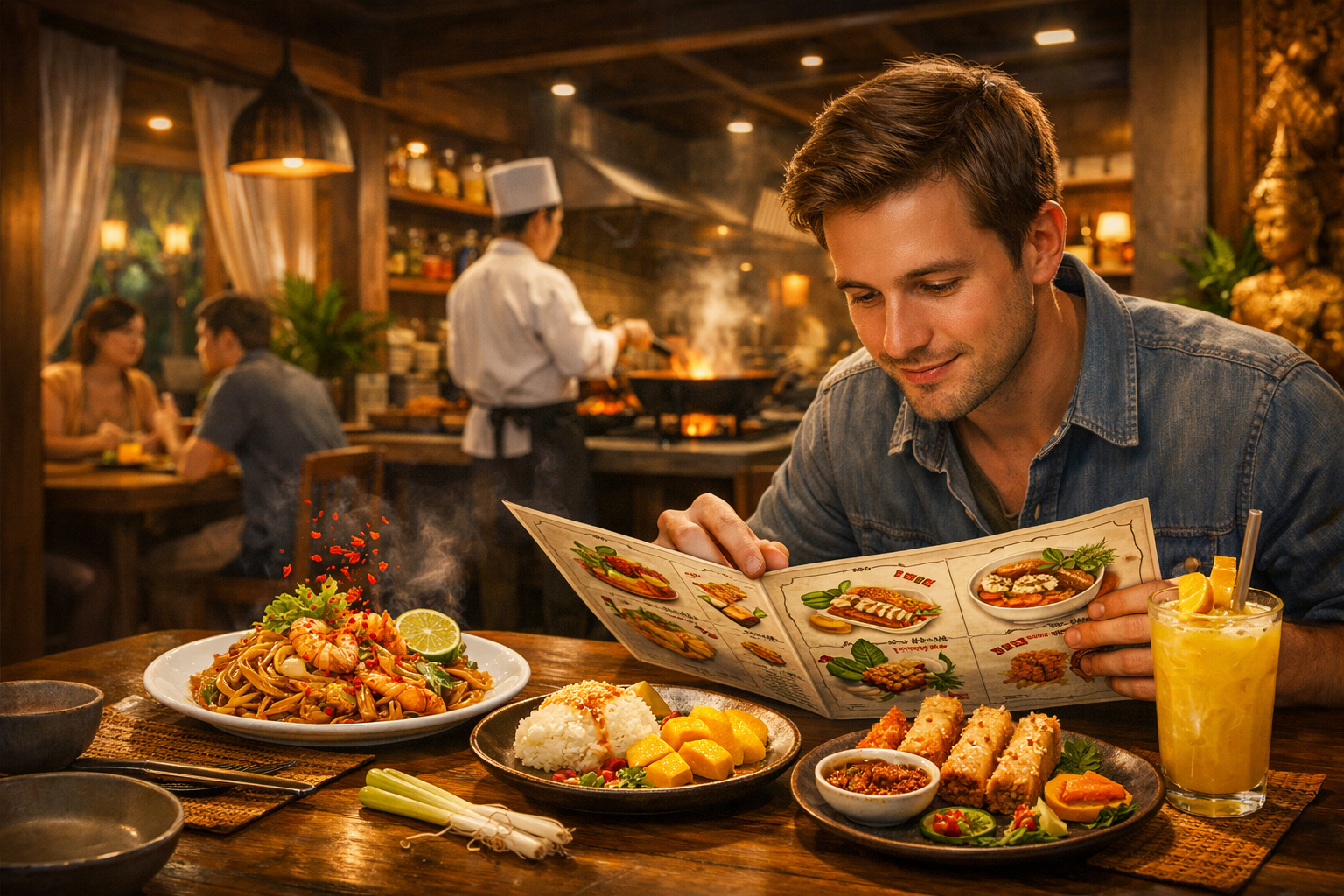
Ever found yourself overwhelmed by a Thai restaurant menu? Or maybe you've tried a dish and thought, "This is amazing, but what is it?" Thai cuisine is incredibly diverse, layered with flavors, and often a bit intimidating for newcomers. Don't worry, you're not alone! This guide is designed to demystify Thai food, helping you understand its core principles, navigate menus with confidence, and appreciate the incredible artistry behind it. We’ll cover the essential elements, regional variations, and even offer some tips for recreating the magic at home.
Understanding the Five Fundamental Flavors
Thai food isn't just about heat; it's about balance. The hallmark of exceptional Thai cooking lies in achieving a harmonious blend of five core flavors: sweet, sour, salty, bitter, and spicy. It’s a delicate dance, and mastering this balance is what separates a good Thai dish from a truly unforgettable one.
- Sweet: Often derived from palm sugar, fruit (like pineapple or mango), or coconut milk, sweetness provides a counterpoint to the other, more intense flavors.
- Sour: Lime juice, tamarind, vinegar, and sometimes even unripe fruits contribute to the tangy, refreshing quality that’s so characteristic of Thai cuisine.
- Salty: Fish sauce (nam pla) is the cornerstone of Thai flavor. It’s not just salty; it adds a complex umami depth. Soy sauce is also used, particularly in dishes influenced by Chinese cuisine.
- Bitter: This flavor isn't always obvious, but it comes from herbs like holy basil, betel leaf, and certain vegetables. It adds complexity and a subtle earthiness.
- Spicy: Thai chilies are a must! The level of spiciness varies greatly, and it’s a good idea to start mild and work your way up.
Key Ingredients: The Building Blocks of Thai Flavor
Beyond the five flavors, certain ingredients are practically synonymous with Thai cooking. Familiarizing yourself with these will significantly enhance your understanding and appreciation.
- Galangal: A rhizome similar to ginger, but with a more citrusy, piney aroma. It’s essential for many curries and soups.
- Lemongrass: Another fragrant rhizome, lemongrass adds a bright, lemony note to dishes.
- Kaffir Lime Leaves: These intensely aromatic leaves are used to infuse flavor into curries, soups, and stir-fries.
- Thai Basil (Horapha): Different from Italian basil, Thai basil has a distinct anise-like flavor.
- Fish Sauce (Nam Pla): As mentioned, it’s the backbone of Thai seasoning. Don't be put off by the smell; it mellows when cooked.
- Palm Sugar: Provides a unique sweetness that’s different from refined sugar.
- Chilies: From mild bird’s eye chilies to fiery ghost peppers, the options are endless.
Regional Variations: A Culinary Map of Thailand
Thailand is a large country with diverse geography and cultural influences, which is reflected in its cuisine. Here’s a brief overview of the main regional differences:
- Central Thai: Considered the "royal" cuisine, it’s characterized by creamy coconut milk-based curries, balanced flavors, and elaborate presentation. Think Massaman Curry and Green Curry.
- Northern Thai (Lanna): Influenced by Burmese and Lao cuisine, Northern Thai food tends to be milder, with a focus on pork, sticky rice, and fermented ingredients. Khao Soi, a creamy coconut curry noodle soup, is a signature dish.
- Northeastern Thai (Isan): Known for its bold, spicy flavors and grilled meats. Isan cuisine often features fermented fish sauce (pla ra) and a generous use of chilies. Som Tum (papaya salad) is a quintessential Isan dish.
- Southern Thai: Heavily influenced by Malaysian and Indonesian cuisine, Southern Thai food is known for its fiery curries, seafood, and use of turmeric and other spices.
Navigating a Thai Restaurant Menu: A Practical Guide
Feeling ready to order? Here’s a breakdown of common menu categories and some popular dishes to get you started:
- Soups: Tom Yum (hot and sour soup) and Tom Kha Gai (coconut milk soup with chicken) are classic choices.
- Salads: Som Tum (papaya salad) is a must-try, but be warned – it can be spicy! Yam Pla Duk Foo (crispy catfish salad) is another delicious option.
- Curries: Green Curry, Red Curry, Yellow Curry, and Massaman Curry are all popular. Specify your desired level of spiciness when ordering.
- Stir-Fries: Pad Thai (stir-fried rice noodles) is the most famous Thai dish, but Pad See Ew (wide rice noodles with soy sauce) and Pad Kra Pao (holy basil stir-fry) are also excellent choices.
- Grilled Dishes: Moo Ping (grilled pork skewers) and Gai Yang (grilled chicken) are perfect for a casual meal.
- Rice & Noodles: Jasmine rice is the standard accompaniment. Sticky rice is common in Northern Thailand.
Tips for Recreating Thai Flavors at Home
While mastering Thai cooking takes time and practice, you can certainly create delicious dishes at home.
- Source Authentic Ingredients: Seek out Asian grocery stores for ingredients like galangal, lemongrass, kaffir lime leaves, and fish sauce.
- Don't Be Afraid to Experiment: Thai cooking is all about balance. Adjust the flavors to your liking.
- Start with Simple Recipes: Focus on mastering a few core dishes before tackling more complex recipes.
- Watch Thai Cooking Videos: Observing experienced cooks can be incredibly helpful.
- Embrace the Heat: If you like spicy food, don't be afraid to add more chilies!
Summary & Checklist: Your Thai Food Journey
You've now taken your first steps into the fascinating world of Thai cuisine! Here's a quick recap and a checklist to help solidify your understanding:
- Key Takeaway: Thai food is about balancing sweet, sour, salty, bitter, and spicy flavors.
- Essential Ingredients: Familiarize yourself with galangal, lemongrass, kaffir lime leaves, fish sauce, and Thai basil.
- Regional Differences: Understand the distinct characteristics of Central, Northern, Northeastern, and Southern Thai cuisine.
- Menu Navigation: Know the common categories and popular dishes to confidently order at a Thai restaurant.
Checklist:
☐ Research a Thai ingredient you’re unfamiliar with. ☐ Try a dish from a different Thai region than you usually order. ☐ Find a reputable online resource for Thai recipes. ☐ Ask your favorite Thai restaurant for recommendations.
Enjoy exploring the incredible flavors of Thailand! Don’t be afraid to try new things and ask questions – the culinary journey is part of the fun.