Unlocking the Flavors of Thai Cuisine – A Beginner's Guide (15)
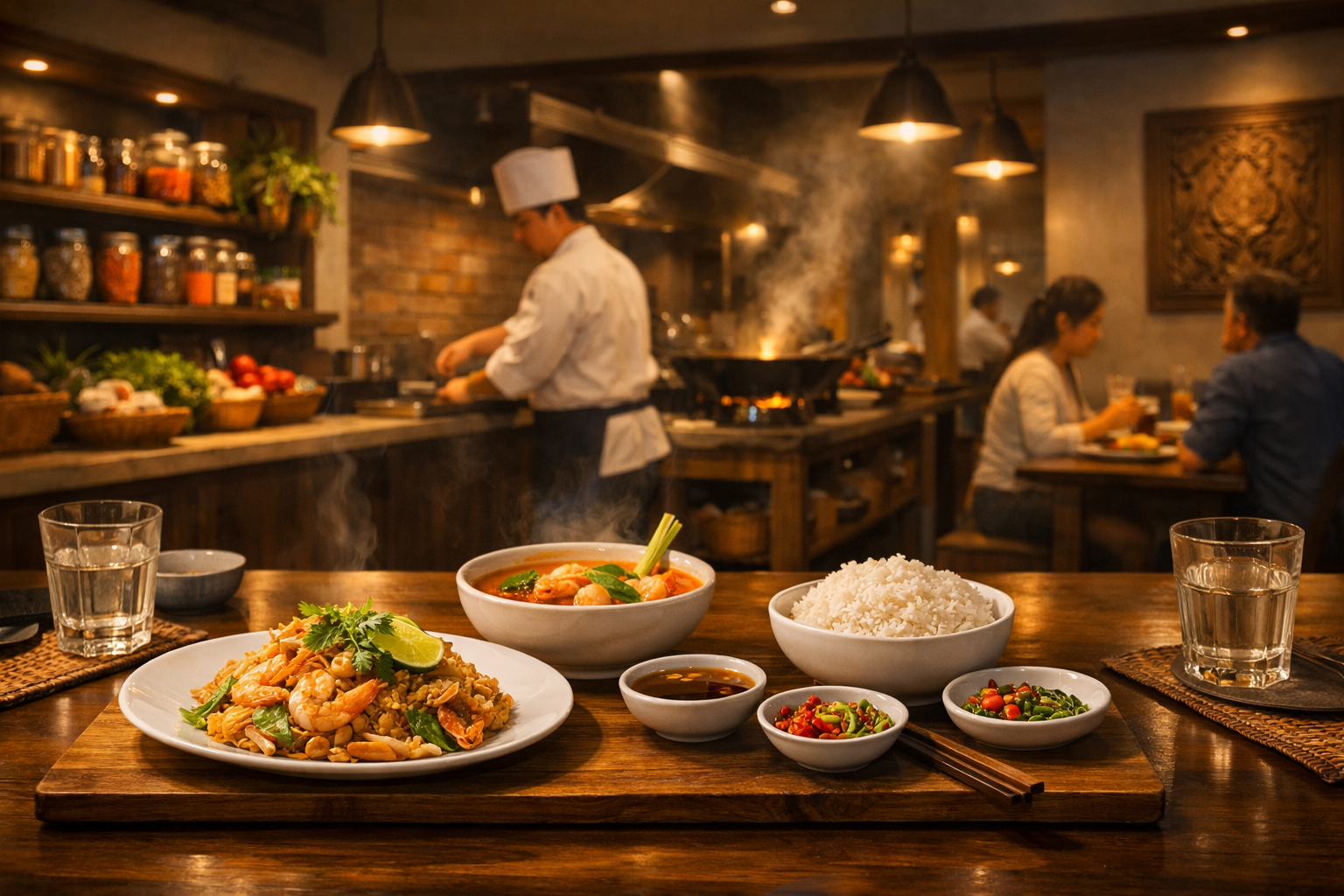
Ever walked past a Thai restaurant and been intrigued by the vibrant colors and exotic aromas, but felt a little intimidated to order? Or maybe you’ve tried a few dishes and felt like you almost understood what Thai food is, but something's missing? You’re not alone! Thai cuisine is incredibly diverse and layered, with a fascinating history and a unique balance of flavors. This guide is designed to demystify Thai food, helping you appreciate its nuances and confidently navigate menus, whether you're dining in or cooking at home.
Understanding the Foundation: The Five Basic Flavors
Thai cuisine isn't just about throwing a bunch of spices together. It's about achieving a harmonious balance of five core flavors: sweet, sour, salty, bitter, and spicy. A truly great Thai dish will showcase all five, often in surprising and delightful combinations. Let's break down each one:
- Sweet: Usually derived from palm sugar (not the refined white sugar we’re used to!), sweetness balances the heat and acidity. It's often subtle, adding a depth to the other flavors.
- Sour: Lime juice, tamarind paste, and vinegar are common sources of sourness. This element provides brightness and cuts through richness.
- Salty: Fish sauce (nam pla) is the key salty ingredient in Thai cooking. Don’t be afraid of it – it adds umami and complexity, not just saltiness. Soy sauce is also used, particularly in dishes influenced by Chinese cuisine.
- Bitter: This flavor often comes from herbs like holy basil, coriander root, and certain vegetables. It provides a refreshing contrast to the other bolder flavors.
- Spicy: Chilies are, of course, the source of heat. Thai chili peppers vary in intensity, so be sure to ask about the spice level if you’re unsure.
Navigating the Menu: Common Thai Dishes Explained
Now, let's look at some popular dishes and what to expect from them. This isn’t exhaustive, but it’s a great starting point:
- Pad Thai: Perhaps the most well-known Thai dish, Pad Thai is a stir-fried rice noodle dish with shrimp (or tofu for vegetarians), egg, bean sprouts, peanuts, and a tangy tamarind-based sauce. It’s generally a good introduction to Thai flavors, often featuring sweet, sour, salty, and a mild spice.
- Green Curry (Gaeng Keow Wan): A creamy, vibrant curry made with green chili paste, coconut milk, bamboo shoots, Thai basil, and your choice of protein (chicken, beef, pork, or tofu). It's typically spicier than red curry. The green chilies give it a fresh, herbaceous flavor.
- Red Curry (Gaeng Daeng): Similar to green curry, but made with red chili paste, resulting in a slightly milder, richer flavor.
- Massaman Curry (Gaeng Massaman): This is a milder, sweeter curry with influences from Persian and Indian cuisine. It often contains potatoes, peanuts, and warming spices like cinnamon and cardamom. It's a great option for those who prefer less spice.
- Tom Yum Soup: A hot and sour soup, typically made with lemongrass, galangal (a ginger-like root), kaffir lime leaves, chilies, and mushrooms. It's incredibly aromatic and flavorful, and a true taste of Thailand.
- Tom Kha Gai: Similar to Tom Yum, but with the addition of coconut milk, creating a creamy, slightly sweet, and intensely flavorful soup.
- Som Tum (Papaya Salad): A spicy and refreshing salad made with shredded green papaya, tomatoes, green beans, peanuts, chilies, lime juice, fish sauce, and palm sugar. The spice level can vary significantly, so be warned!
- Mango Sticky Rice (Khao Niao Mamuang): A classic Thai dessert featuring sweet sticky rice drizzled with coconut milk and served with slices of ripe mango. It's the perfect sweet ending to a spicy meal.
Deciphering the Spice Level: A Crucial Tip!
Thai restaurants often have a scale for measuring spice. This can vary from place to place, but here's a general guide:
- No Spice: Very mild, almost no heat.
- Mild: A slight warmth, noticeable but not overwhelming.
- Medium: A noticeable kick, enjoyable for those who like a bit of heat.
- Hot: A significant level of spice, best for chili lovers.
- Thai Hot: Extremely spicy! Proceed with caution. This is for experienced chili eaters only.
Don't be afraid to ask your server for recommendations or to adjust the spice level. They are usually happy to help. It's much better to start with a milder level and add chili flakes if you want more heat.
Cooking Thai at Home: Essential Ingredients to Get Started
Feeling inspired to try cooking Thai food yourself? Here's a list of essential ingredients to stock in your pantry:
- Fish Sauce (Nam Pla): The cornerstone of Thai flavor.
- Palm Sugar: Adds a unique sweetness.
- Lime Juice: Essential for sourness.
- Rice Noodles: For Pad Thai and other noodle dishes.
- Coconut Milk: For curries and soups.
- Thai Chilies: For heat (start with dried chilies if you're unsure about your spice tolerance).
- Lemongrass, Galangal, Kaffir Lime Leaves: These aromatic ingredients are crucial for authentic Thai flavors (available at Asian grocery stores).
- Thai Basil: Adds a distinctive anise-like flavor.
Beyond the Basics: Exploring Regional Variations
Thai cuisine isn't monolithic. Different regions of Thailand have their own distinct specialties:
- Central Thai: The most commonly recognized style, characterized by creamy curries and a balance of flavors.
- Northern Thai (Lanna): Influenced by Burmese and Chinese cuisine, with milder flavors and the use of fermented ingredients. Khao Soi (a coconut curry noodle soup) is a signature dish.
- Northeastern Thai (Isan): Known for its spicy and savory dishes, often featuring grilled meats and sticky rice. Som Tum originated in this region.
- Southern Thai: Heavily influenced by Malay cuisine, with a focus on seafood and a generous use of coconut milk and chilies.
Summary & Checklist: Your Thai Food Journey
Embarking on a journey through Thai cuisine can be an incredibly rewarding experience. Here's a quick recap and a checklist to help you along the way:
- Understand the Five Flavors: Sweet, sour, salty, bitter, and spicy.
- Explore Common Dishes: Pad Thai, curries, soups, and salads.
- Communicate About Spice: Don’t be afraid to ask for adjustments.
- Stock Your Pantry: Fish sauce, palm sugar, lime juice, and other essentials.
- Consider Regional Variations: Expand your horizons beyond the familiar.
Your Next Step: The next time you're near a Thai restaurant, don’t be intimidated! Use this guide to confidently order something new and exciting. Ask your server for recommendations, and most importantly, enjoy the delicious flavors of Thailand!
TITLE: Artikel 15 BODY: Ever walked past a Thai restaurant and been intrigued by the vibrant colors and exotic aromas, but felt a little intimidated to order? Or maybe you’ve tried a few dishes and felt like you almost understood what Thai food is, but something's missing? You’re not alone! Thai cuisine is incredibly diverse and layered, with a fascinating history and a unique balance of flavors. This guide is designed to demystify Thai food, helping you appreciate its nuances and confidently navigate menus, whether you're dining in or cooking at home.
Understanding the Foundation: The Five Basic Flavors
Thai cuisine isn't just about throwing a bunch of spices together. It's about achieving a harmonious balance of five core flavors: sweet, sour, salty, bitter, and spicy. A truly great Thai dish will showcase all five, often in surprising and delightful combinations. Let's break down each one:
- Sweet: Usually derived from palm sugar (not the refined white sugar we’re used to!), sweetness balances the heat and acidity. It's often subtle, adding a depth to the other flavors.
- Sour: Lime juice, tamarind paste, and vinegar are common sources of sourness. This element provides brightness and cuts through richness.
- Salty: Fish sauce (nam pla) is the key salty ingredient in Thai cooking. Don’t be afraid of it – it adds umami and complexity, not just saltiness. Soy sauce is also used, particularly in dishes influenced by Chinese cuisine.
- Bitter: This flavor often comes from herbs like holy basil, coriander root, and certain vegetables. It provides a refreshing contrast to the other bolder flavors.
- Spicy: Chilies are, of course, the source of heat. Thai chili peppers vary in intensity, so be sure to ask about the spice level if you’re unsure.
Navigating the Menu: Common Thai Dishes Explained
Now, let's look at some popular dishes