Thai Food (27)
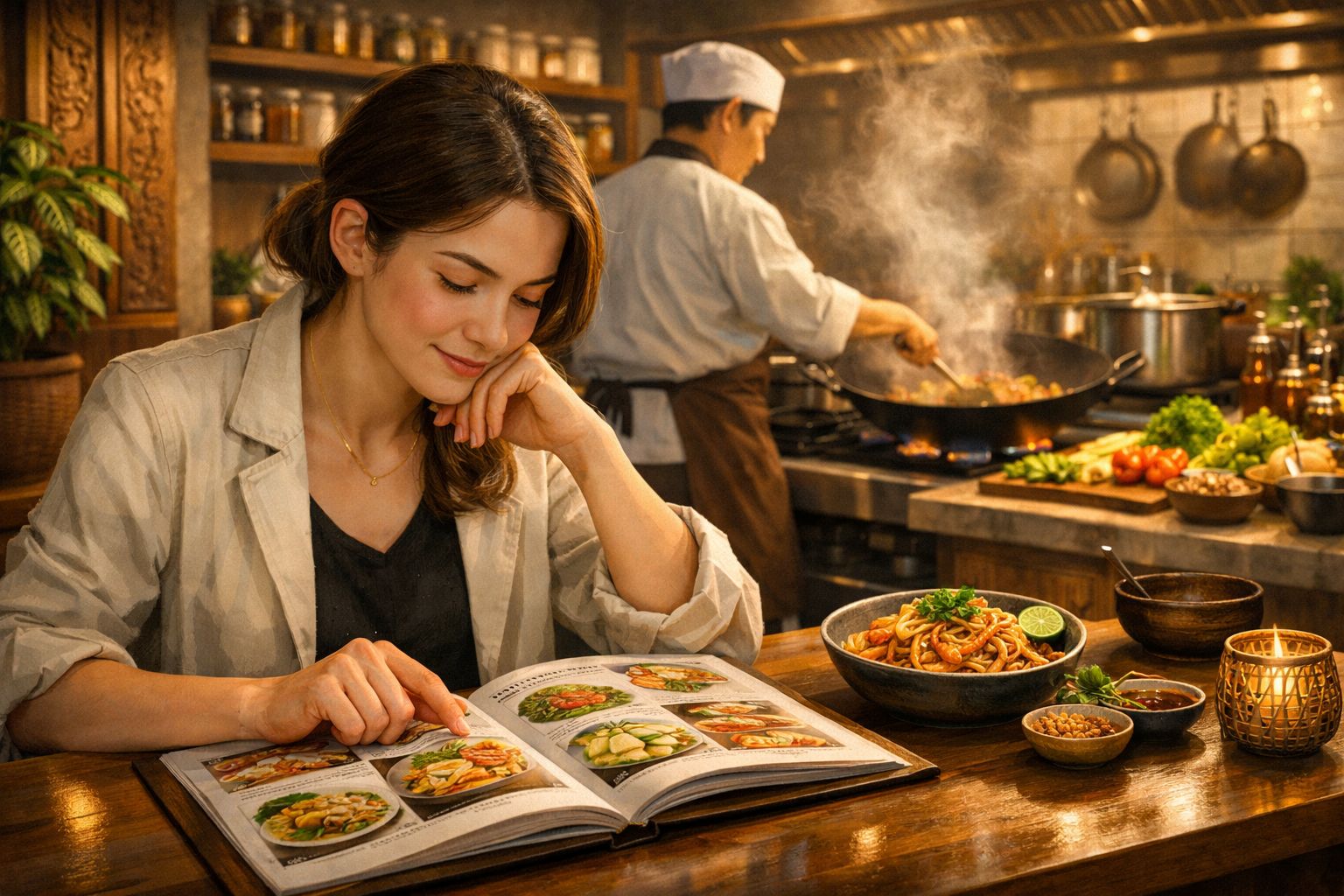
Feeling Lost in the World of Thai Food? Your Beginner’s Guide to Understanding and Enjoying Thai Cuisine
Ever walked into a Thai restaurant and felt overwhelmed by the menu? Or maybe you’ve tried making Pad Thai at home and it just didn't quite taste right? Thai food is beloved worldwide for its vibrant flavors and aromatic complexity, but it can be intimidating to navigate. This guide is designed to demystify Thai cuisine, helping you understand its core principles and confidently explore its delicious possibilities – whether you’re ordering in a restaurant or attempting your first stir-fry.
Understanding the Foundation: The Five Fundamental Flavors
Thai cuisine isn’t just about throwing ingredients together. It’s a carefully balanced dance of five core flavors: sweet, sour, salty, spicy, and bitter. The goal is to achieve harmony between these tastes in every dish. Mastering this concept is key to appreciating the nuances of Thai food.
- Sweet: Often derived from palm sugar, it balances the heat and acidity. It’s rarely overly sweet, acting more as a subtle counterpoint.
- Sour: Lime juice, tamarind paste, and vinegar are the primary sources. Sourness adds brightness and complexity.
- Salty: Fish sauce (nam pla) is the defining salty ingredient in Thai cooking. It’s far more complex than table salt, adding umami and depth. Don't be afraid of it – it's essential!
- Spicy: Thai chilies, of course! The level of heat varies wildly, so be sure to specify your preference when ordering.
- Bitter: Found in herbs like holy basil and certain vegetables, bitterness adds another layer of complexity and prevents the flavors from becoming monotonous.
Regional Differences: A Taste of Thailand's Diversity
Thailand is a geographically diverse country, and its cuisine reflects this. While there's overlap, each region boasts unique characteristics:
- Central Thai: Considered the "classic" Thai cuisine most familiar to Westerners. It’s characterized by creamy coconut milk-based curries, a balance of the five flavors, and a refined presentation. Think Green Curry, Massaman Curry, and Tom Kha Gai (coconut soup).
- Northern Thai (Lanna): Influenced by neighboring Burma (Myanmar) and Laos, Northern Thai food tends to be milder and features fermented ingredients like khao soi (a coconut curry noodle soup) and sai oua (Northern Thai sausage). It often incorporates pork and herbs.
- Northeastern Thai (Isan): This region is known for its bold, spicy, and often grilled dishes. Isan cuisine uses a lot of fresh herbs, chilies, and fish sauce. Som tum (papaya salad) is perhaps the most famous Isan dish, and it's definitely not for the faint of heart! Expect lots of sticky rice as well.
- Southern Thai: Heavily influenced by Malaysian and Indonesian cuisine, Southern Thai food is known for its rich, spicy curries and use of seafood. Turmeric and lemongrass are common ingredients.
Decoding the Menu: Common Thai Dishes Explained
Let’s break down some popular dishes so you can confidently order:
- Pad Thai: Arguably the most famous Thai dish, stir-fried rice noodles with shrimp or tofu, egg, bean sprouts, peanuts, and a tangy tamarind sauce.
- Green Curry (Gaeng Keow Wan): A creamy, aromatic curry made with green chilies, coconut milk, bamboo shoots, Thai basil, and your choice of protein (chicken, beef, pork, or tofu).
- Red Curry (Gaeng Daeng): Similar to green curry, but made with red chilies, resulting in a slightly milder and richer flavor.
- Massaman Curry (Gaeng Massaman): A mild, fragrant curry with Indian influences, featuring potatoes, peanuts, and often beef or chicken.
- Tom Yum Soup: A hot and sour soup, typically with shrimp (Tom Yum Goong) or chicken (Tom Yum Gai), lemongrass, galangal, kaffir lime leaves, and chilies.
- Som Tum: Spicy green papaya salad with tomatoes, green beans, peanuts, lime juice, fish sauce, and chilies.
- Mango Sticky Rice (Khao Niao Mamuang): A classic dessert – sweet sticky rice drizzled with coconut milk and served with ripe mango.
Essential Thai Ingredients to Know
Familiarizing yourself with these ingredients will enhance your understanding and appreciation of Thai food:
- Fish Sauce (Nam Pla): The backbone of Thai flavor.
- Palm Sugar: Used for sweetness and depth of flavor.
- Galangal: A rhizome similar to ginger, but with a more citrusy and piney flavor.
- Lemongrass: A fragrant herb with a citrusy aroma.
- Kaffir Lime Leaves: Adds a distinctive citrusy aroma and flavor.
- Thai Basil (Horapha): A type of basil with a slightly anise-like flavor.
- Holy Basil (Kra Pao): A more pungent basil often used in stir-fries like Pad Kra Pao.
- Chilies: Various types, ranging from mild to fiery hot.
Tips for Ordering and Eating Thai Food
- Spice Level: Don't be afraid to ask for "mai pet" (not spicy) or specify a spice level (e.g., "medium spicy"). Thai restaurants often default to a high spice level.
- Sharing is Caring: Thai meals are typically served family-style, with several dishes shared amongst the group.
- Rice is Key: Steamed jasmine rice is the perfect accompaniment to most Thai dishes.
- Don't Skip the Sides: Many Thai restaurants offer a variety of sides like spring rolls, larb (minced meat salad), and papaya salad.
- Explore! Be adventurous and try new dishes. Ask your server for recommendations.
Cooking Thai Food at Home: Getting Started
While authentic Thai cooking can be complex, it's surprisingly accessible for beginners.
- Gather Your Ingredients: Many Asian grocery stores now carry essential Thai ingredients. Online retailers are also a good option.
- Start Simple: Pad Thai and Green Curry are relatively easy to master.
- Don't Be Afraid to Adjust: Taste as you go and adjust the flavors to your liking.
- Embrace the Process: Thai cooking is about experimenting and having fun!
Your Thai Food Journey: A Quick Recap
Thai cuisine is a vibrant and rewarding culinary experience. By understanding the five fundamental flavors, regional differences, and key ingredients, you’ll be well on your way to appreciating and enjoying the best of what Thailand has to offer.
Checklist for Your Next Thai Food Adventure:
- [ ] Identify your spice preference when ordering.
- [ ] Try a dish from a different region of Thailand.
- [ ] Ask your server for recommendations.
- [ ] Don't be afraid to experiment with new flavors.
- [ ] Consider trying a simple Thai recipe at home.
Now go forth and enjoy the incredible world of Thai food! Aroy mak mak! (Very delicious!)