A Beginner's Guide to Understanding and Enjoying Thai Food (30)
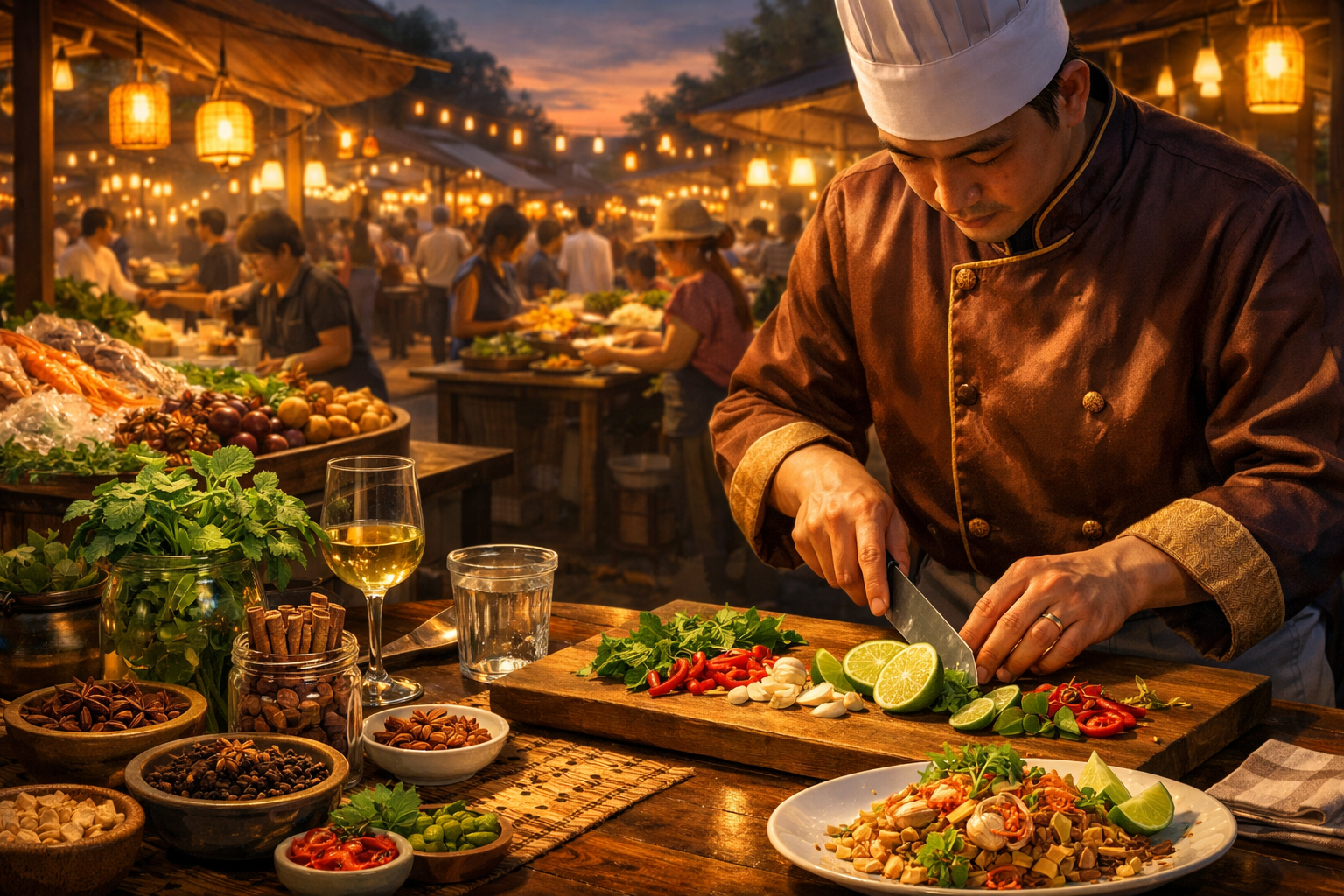
Ever walked into a Thai restaurant and felt completely overwhelmed by the menu? Or maybe you’ve tried making a Thai dish at home and it just didn't quite taste right? You're not alone! Thai cuisine is incredibly diverse, layered with complex flavors, and full of ingredients that might be unfamiliar. This guide is designed to demystify Thai food, giving you a foundation to confidently order in a restaurant, navigate a Thai market, or even attempt your own cooking adventures. Let's dive in!
Why is Thai Food So Unique? The Foundations of Flavor
Thai food isn't just about spice. While chili peppers certainly play a role (more on that later!), the real magic lies in the balance of five fundamental tastes: sweet, sour, salty, bitter, and umami. A truly great Thai dish will harmonize these flavors, creating a complex and satisfying experience. This balance is achieved through a careful combination of fresh herbs, spices, and ingredients.
Think of it like this: a successful Thai dish isn’t just hot; it’s a symphony of tastes that dance on your tongue.
Understanding Key Ingredients: Your Thai Pantry Starter Kit
Knowing a few essential ingredients will dramatically improve your understanding and appreciation of Thai food. Don't feel pressured to buy everything at once – start with a few and build your pantry over time.
- Fish Sauce (Nam Pla): This is the cornerstone of Thai flavor. It’s fermented fish, and yes, it smells pungent, but it adds a crucial salty, savory depth to almost every dish. Don't be afraid of it!
- Palm Sugar (Nam Tan Piip): Unlike granulated sugar, palm sugar has a caramel-like flavor that’s essential for achieving that characteristic Thai sweetness. It comes in blocks or discs.
- Lime Juice (Nam Manow): Fresh lime juice is crucial for the sour element. Bottled lime juice just isn't the same.
- Chili Peppers (Prik): Thai chilies come in various levels of heat. Bird’s eye chilies are notoriously fiery! Start with a small amount and adjust to your preference. Dried chilies, chili paste (like sambal oelek), and chili flakes are also common.
- Galangal (Kha): Often confused with ginger, galangal has a more citrusy, piney flavor. It’s a key ingredient in many curries and soups.
- Lemongrass (Takhra): This fragrant grass adds a bright, lemony note. Use the tender inner parts.
- Kaffir Lime Leaves (Bai Makrut): These leaves have a distinctive aroma and flavor. They’re often added to curries and soups and removed before serving.
- Thai Basil (Bai Horapa): This basil has a slightly anise-like flavor and a stronger aroma than Italian basil.
- Coconut Milk (Kati): Used extensively in curries and desserts, coconut milk adds richness and creaminess. Look for full-fat coconut milk for the best flavor.
- Soy Sauce (See Ew): Both light and dark soy sauces are used in Thai cooking. Light soy sauce is saltier, while dark soy sauce adds color and a slightly sweeter flavor.
Navigating the Thai Restaurant Menu: Deciphering the Dishes
Thai restaurant menus can be daunting, but here’s a breakdown of common categories and dishes to get you started.
- Soups (Tom): Tom Yum (hot and sour soup with shrimp or chicken) and Tom Kha (coconut milk soup with chicken or shrimp) are iconic choices.
- Salads (Yam): These are often spicy and refreshing. Som Tum (green papaya salad) is a must-try.
- Curries (Gaeng): Thai curries are typically coconut milk-based and come in varying levels of spice. Green Curry (Gaeng Keow Wan) is mild, Red Curry (Gaeng Daeng) is medium, and Massaman Curry (Gaeng Massaman) is milder and often includes potatoes.
- Stir-fries (Pad): Pad Thai (stir-fried rice noodles with shrimp or tofu) is the most famous, but Pad See Ew (stir-fried wide rice noodles with soy sauce) and Pad Kra Pao (stir-fried holy basil with meat) are also delicious.
- Rice and Noodles (Khao & Kuay Teow): Jasmine rice is the standard accompaniment. Noodle dishes include rice noodles, glass noodles, and wheat noodles.
- Grilled Dishes (Yang): Grilled meats and seafood are often served with a spicy dipping sauce.
Spice Levels: A Crucial Consideration
Thai restaurants often use a scale to indicate spice levels. Here's a general guide, but it can vary significantly between restaurants:
- Mild: A touch of heat, noticeable but not overwhelming.
- Medium: A good amount of heat, noticeable and flavorful.
- Hot: Significant heat, not for the faint of heart!
- Thai Hot: Very hot. Proceed with extreme caution!
When in doubt, start with “mild” or “medium” and ask for a side of chili flakes if you want to add more heat. Don’t be afraid to ask your server for recommendations!
Trying Your Hand at Thai Cooking: Simple Starter Recipes
Ready to try making Thai food at home? Start with a simple recipe like Pad Kra Pao (holy basil stir-fry). You can find countless recipes online, but here's a simplified overview:
- Prepare your ingredients: Mince garlic, chop holy basil, and slice your protein (chicken, pork, or tofu).
- Make a basic sauce: Combine fish sauce, soy sauce, palm sugar, and chili peppers (to taste).
- Stir-fry the protein: Cook the protein in a wok or frying pan until browned.
- Add aromatics: Add garlic and stir-fry for a few seconds until fragrant.
- Add the sauce: Pour the sauce over the protein and cook until thickened.
- Finish with basil: Stir in the holy basil just before serving.
- Serve with rice: Enjoy!
Beyond the Basics: Exploring Regional Variations
Thai cuisine isn't monolithic. Different regions boast unique specialties:
- Central Thai: This is the style most commonly found in Western restaurants, characterized by balanced flavors and coconut milk-based curries.
- Northern Thai (Lanna): Influenced by Burmese and Lao cuisine, Northern Thai food features milder flavors and often uses fermented ingredients. Khao Soi (curried noodle soup) is a signature dish.
- Northeastern Thai (Isan): Known for its bold, spicy flavors and grilled dishes. Som Tum originated in Isan.
- Southern Thai: Heavily influenced by Malaysian and Indian cuisine, Southern Thai food is often spicier and incorporates more seafood and turmeric.
Your Thai Food Journey: A Summary & Checklist
Thai food is a delicious and rewarding culinary adventure. Don't be intimidated by the unfamiliar ingredients or complex flavors. Embrace the experience, ask questions, and experiment!
Here's a quick checklist to guide your journey:
- [ ] Familiarize yourself with key Thai ingredients.
- [ ] Understand the five fundamental tastes in Thai cooking.
- [ ] Learn to decipher Thai restaurant menus.
- [ ] Be mindful of spice levels and communicate your preferences.
- [ ] Try a simple Thai recipe at home.
- [ ] Explore regional variations of Thai cuisine.
Enjoy the incredible world of Thai food! Bon appétit (or Aroy!)